 English
 Afrikaans
 Albanian
 Amharic
 Arabic
 Armenian
 Azerbaijani
 Basque
 Belarusian
 Bengali
 Bosnian
 Bulgarian
 Catalan
 Cebuano
 Chichewa
 Chinese (Simplified)
 Chinese (Traditional)
 Corsican
 Croatian
 Czech
Czech Danish
 Dutch
Dutch Esperanto
 Estonian
 Filipino
 Finnish
 French
 Frisian
 Galician
 Georgian
 German
 Greek
Greek Gujarati
 Haitian Creole
 Hausa
Hausa Hawaiian
 Hebrew
 Hindi
Hindi Hmong
Hmong Hungarian
 Icelandic
 Igbo
Igbo Indonesian
 Irish
Irish Italian
 Japanese
 Javanese
 Kannada
 Kazakh
 Khmer
Khmer Korean
 Kurdish (Kurmanji)
 Kyrgyz
 Lao
Lao Latin
Latin Latvian
 Lithuanian
 Luxembourgish
 Macedonian
 Malagasy
 Malay
Malay Malayalam
 Maltese
 Maori
Maori Marathi
 Mongolian
 Myanmar (Burmese)
 Nepali
 Norwegian
 Pashto
 Persian
 Polish
 Portuguese
 Punjabi
 Romanian
 Russian
 Samoan
 Scottish Gaelic
 Serbian
 Sesotho
 Shona
Shona Sindhi
 Sinhala
 Slovak
 Slovenian
 Somali
 Spanish
 Sudanese
 Swahili
 Swedish
 Tajik
Tajik Tamil
Tamil Telugu
 Thai
Thai Turkish
 Ukrainian
 Urdu
Urdu Uzbek
Uzbek Vietnamese
 Welsh
Welsh Xhosa
Xhosa Yiddish
 Yoruba
 Zulu
Zulu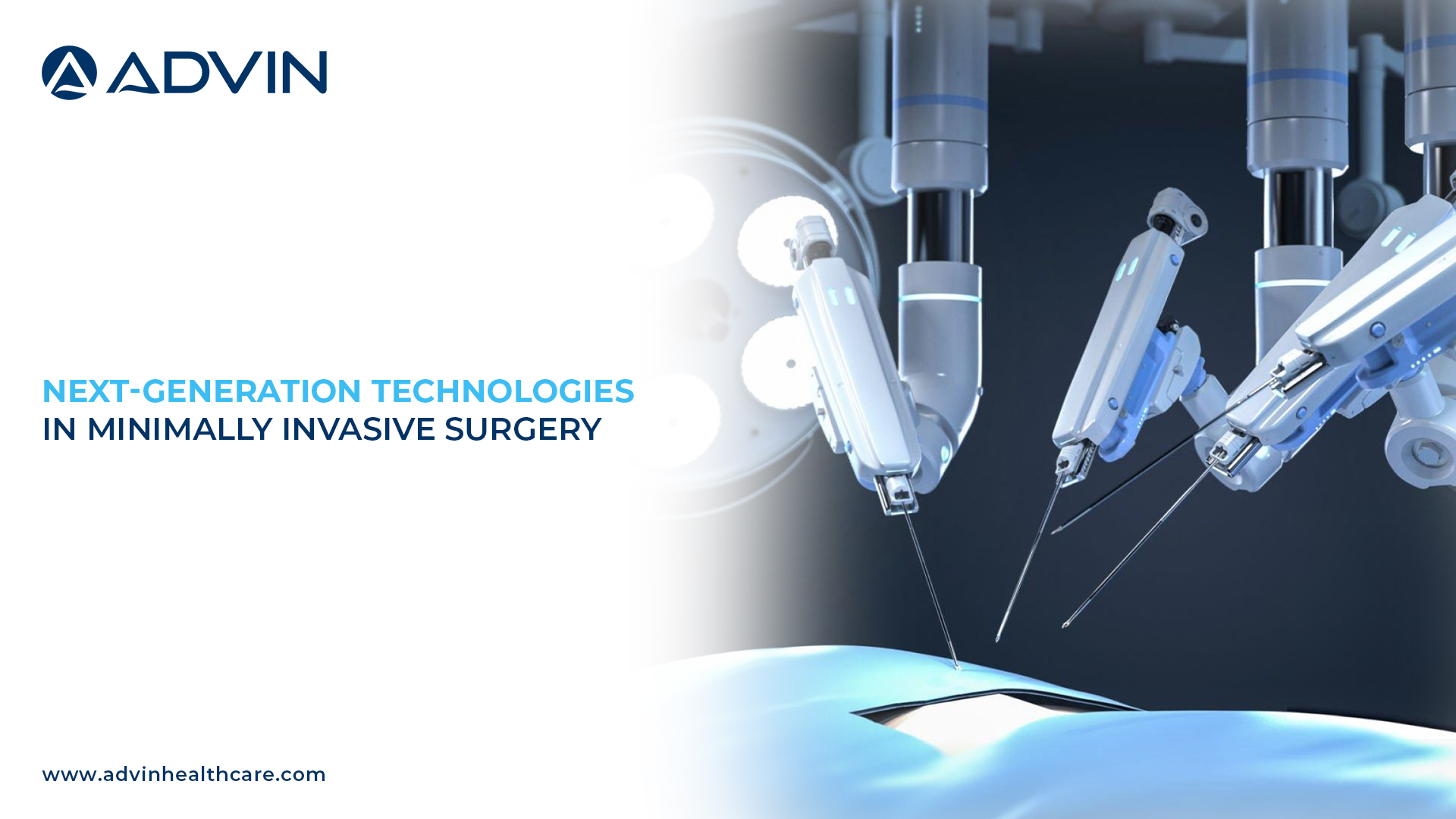
Industry Shift Overview
Minimally Invasive Surgery (MIS) is rapidly transforming modern healthcare by offering safer procedures, smaller incisions, reduced pain, and faster patient recovery. Compared with traditional open surgery, MIS significantly reduces hospital stay, blood loss, and postoperative complications.
Today, the integration of robotics, artificial intelligence, advanced visualization, and smart surgical devices is driving the next generation of minimally invasive surgery across multiple specialties including laparoscopy, urology, gynecology, and general surgery.
Robotic-Assisted Surgery
Robotic-assisted systems are revolutionizing minimally invasive procedures by enhancing surgical precision and control.
Key Benefits
- Enhanced dexterity and precision
- Better maneuverability
- Reduced surgeon fatigue
- Smaller incisions
- Faster recovery
Robotic platforms enable surgeons to perform highly complex procedures with improved accuracy and consistency.
Artificial Intelligence in Surgery
Artificial Intelligence is becoming a major innovation in modern surgical practice.
AI Applications
- Real-time image analysis
- Surgical planning support
- Smart tissue identification
- Automated safety alerts
- Predictive analytics
AI helps improve decision-making, reduce errors, and optimize surgical efficiency.
Advanced Visualization Systems
Modern surgery heavily depends on high-quality visualization technologies.
Latest Innovations
- 4K Ultra-HD imaging
- 3D visualization systems
- Digital image enhancement
- Fluorescence imaging (ICG)
Enhanced visualization improves anatomical identification and procedural accuracy during complex surgeries.
Smart Energy Devices
Energy-based surgical systems are improving tissue dissection and vessel sealing.
Key Technologies
- Bipolar vessel sealing
- Ultrasonic energy devices
- Advanced electrosurgical systems
Benefits
- Better hemostasis
- Reduced blood loss
- Faster tissue sealing
- Less thermal damage
These devices improve safety and procedural control during surgery.
Single-Incision and Miniaturized Surgery
The trend toward smaller incisions continues to shape the future of MIS.
Innovations Include
- Single-Incision Laparoscopic Surgery (SILS)
- Mini-laparoscopy
- Needle-based surgical systems
- Micro instruments
Advantages
- Less pain
- Better cosmetic results
- Faster recovery
- Reduced tissue trauma
These technologies improve patient comfort while maintaining procedural effectiveness.
Smart Trocars and Access Systems
Advanced access devices are improving safety during minimally invasive procedures.
Key Innovations
- Optical trocars
- Bladeless trocars
- Advanced insufflation systems
- Smoke evacuation technology
These systems help maintain stable working environments and improve procedural efficiency.
Disposable Surgical Devices
The healthcare industry is increasingly adopting single-use surgical consumables.
High-Demand Products
- Disposable Trocars
- Suction & Irrigation Sets
- Retrieval Bags
- Endoscopic Accessories
Benefits
- Reduced infection risk
- No sterilization required
- Consistent performance
- Improved workflow
Disposable devices are becoming standard in many modern operating rooms.
Smart Operating Rooms
Digital integration is transforming surgical environments.
Features
- Connected imaging systems
- Real-time monitoring
- Cloud-based surgical data
- Digital workflow management
Smart operating rooms improve coordination, efficiency, and patient safety.
Future of Minimally Invasive Surgery
The future of MIS will focus on:
- AI-guided surgery
- Robotic automation
- Augmented reality navigation
- Remote surgical assistance
- Cloud-connected operating rooms
These innovations will continue improving precision, safety, and efficiency across global healthcare systems.
Advin Health Care and Advanced MIS Solutions
Advin Health Care supports the future of minimally invasive surgery with a wide range of precision-engineered surgical instruments and consumables.
Key Product Categories
- Laparoscopic Instruments
- Trocars and Cannulas
- Urology Instruments
- Endoscopy Accessories
- Disposable Surgical Consumables
These solutions are designed to support next-generation minimally invasive procedures while meeting international quality standards.
Conclusion
Next-generation technologies are redefining minimally invasive surgery through robotics, artificial intelligence, advanced visualization, smart energy devices, and digital operating room integration. These innovations are improving surgical outcomes, reducing complications, and enhancing patient recovery worldwide.