HoLEP vs ThuLEP – Choosing the Right Laser Enucleation Technique for Prostate Surgery

Introduction: Laser Evolution in BPH Treatment

Laser enucleation has become a gold standard for treating Benign Prostatic Hyperplasia (BPH). Two advanced techniques—HoLEP (Holmium Laser Enucleation of the Prostate) and ThuLEP (Thulium Laser Enucleation of the Prostate)—are widely used for effective prostate tissue removal.

While both procedures aim to achieve complete adenoma removal, they differ in laser properties, cutting precision, hemostasis, and surgical experience.

Technology Overview in Clinical Use

HoLEP (Holmium Laser Enucleation of the Prostate)

HoLEP uses a Holmium:YAG laser, which delivers pulsed energy for tissue cutting and coagulation.

Key characteristics:

  • Pulsed laser energy 
  • Strong cutting capability 
  • Effective tissue dissection 

Clinical advantages:

  • Proven long-term outcomes 
  • Suitable for all prostate sizes 
  • Effective in complete enucleation 

HoLEP is widely accepted as a gold standard technique for BPH treatment.

ThuLEP (Thulium Laser Enucleation of the Prostate)

ThuLEP uses a Thulium laser, typically operating in continuous or super-pulsed mode.

Key characteristics:

  • Continuous wave energy 
  • High precision cutting 
  • Excellent vaporization capability 

Clinical advantages:

  • Smooth and precise tissue incision 
  • Superior hemostasis (less bleeding) 
  • Better visibility during surgery 

ThuLEP is considered a next-generation laser technique offering refined surgical control.

Workflow-Based Usage: Pulsed vs Continuous Energy

Both techniques follow similar surgical steps but differ in energy delivery:

  • HoLEP → Pulsed laser (mechanical dissection effect) 
  • ThuLEP → Continuous laser (smooth cutting effect) 

This impacts:

  • Cutting style 
  • Bleeding control 
  • Surgeon experience 

Core Differences That Drive Clinical Choice

The key difference lies in laser behavior and tissue interaction:

  • HoLEP provides strong dissection and versatility 
  • ThuLEP offers precision and superior hemostasis 

Quick Comparison Overview

Aspect HoLEP ThuLEP
Laser Type Holmium:YAG Thulium
Energy Mode Pulsed Continuous / Super-pulsed
Cutting Style Mechanical + cutting Smooth and precise
Hemostasis Good Excellent
Visibility Good Better (less bleeding)
Learning Curve Steeper Slightly easier
Clinical Use All prostate sizes All sizes (precision-focused)
Technology Established Advanced

Clinical Preference & Real-World Application

HoLEP is commonly used in:

  • Large prostate cases 
  • Hospitals with established laser systems 
  • Surgeons experienced in enucleation techniques 

Its long track record ensures reliable and consistent outcomes.

ThuLEP is preferred in:

  • Precision-focused procedures 
  • Cases requiring better bleeding control 
  • Modern urology setups 

Its continuous energy provides smooth cutting and improved visualization.

Practical Selection Guide

  • Choose HoLEP for proven performance and versatility 
  • Choose ThuLEP for precision and superior hemostasis 
  • Use HoLEP for large prostates and standard practice 
  • Use ThuLEP for refined control and modern setups 

Conclusion: Proven Standard vs Precision Advancement

Both techniques are highly effective for BPH treatment:

  • HoLEP → Established, versatile, and widely trusted 
  • ThuLEP → Precise, advanced, and surgeon-friendly 

The ideal choice depends on:

  • Surgeon preference 
  • Available laser system 
  • Clinical requirements 

Why Advin Health Care is the Right Choice

Advin Health Care offers advanced solutions for laser-based prostate surgery.

  • HoLEP-compatible systems provide reliable and effective enucleation 
  • Thulium-based solutions deliver precision and enhanced surgical control 

With Advin, healthcare providers benefit from:

  • Advanced technology 
  • Consistent performance 
  • Solutions designed for modern urology

Explore More Products>>

Get Connected:

+91-70717 27261 | urology@advinhealthcare.com | www.advinhealthcare.com
CBD Stone Retrieval Basket vs CBD Extraction Balloon – Grasping vs Sweeping in ERCP Stone Removal

Introduction: Two Techniques, One Objective

During ERCP, clearing stones from the common bile duct is a routine yet decisive step. Clinicians commonly rely on two tools—CBD Stone Retrieval Basket and CBD Stone Extraction Balloon—to achieve duct clearance. While both serve the same purpose, their working style and clinical behavior are quite different. 

Stone removal procedures typically involve either capturing the stone directly or sweeping it out of the duct after sphincterotomy. Selecting the right method improves efficiency and reduces procedure time. This comparison focuses on how each device performs in real practice.

Device Role in Clinical Workflow

CBD Stone Retrieval Basket (Biliary Retrieval Basket)
Advin Health Care’s CBD Stone Retrieval Basket is designed to engage and hold stones securely within the bile duct. The basket is opened around the stone, closed to trap it, and then withdrawn. This method is especially useful when stones are large, hard, or difficult to dislodge.

CBD Stone Extraction Balloon (Biliary Balloon Catheter)
Advin Health Care’s CBD Stone Extraction Balloon works by inflating inside the duct and sweeping stones downward toward the duodenum. After positioning above the stone, the balloon is inflated and gently pulled, clearing the duct in a controlled motion. It is commonly used for smaller stones or final duct cleaning.

Key practical distinctions include:

  • Basket → Direct capture and extraction
  • Balloon → Sweeping and duct clearance
  • Basket suits larger or impacted stones
  • Balloon works efficiently for smaller stones

Quick Comparison Overview

Aspect CBD Stone Retrieval Basket CBD Stone Extraction Balloon
Technique Grasp and remove Inflate and sweep
Stone Size Medium to large Small to medium
Control High (targeted removal) Moderate (flow-based clearing)
Usage Stage Primary extraction Clearance / final sweep
Handling Requires positioning accuracy Easier, smoother passage
Ideal Use Impacted stones Residual stone clearance

Clinical Preference & Real-World Use

Advin CBD Stone Retrieval Basket is commonly chosen when stones are clearly visualized and require controlled removal. It is particularly useful in cases where stones are larger or lodged within the duct.

Advin CBD Stone Extraction Balloon is preferred for clearing remaining fragments after primary extraction. It is also effective when dealing with multiple small stones, helping achieve complete duct clearance in fewer passes.

Practical Selection Guide

  • Use Advin Basket for firm stone capture and difficult cases
  • Use Advin Balloon for sweeping and final duct cleaning
  • Basket provides precision in removal
  • Balloon improves speed in clearance

Advin Health Care Insight

Advin Health Care delivers a complete range of biliary stone management devices designed for consistent clinical performance. Advin CBD Stone Retrieval Baskets are engineered for strong wire integrity and reliable stone engagement, supporting effective extraction.

At the same time, Advin Health Care’s CBD Stone Extraction Balloons are designed for smooth inflation and controlled movement within the duct. With Advin, healthcare providers gain dependable quality, adaptable solutions, and tools that support efficient ERCP procedures across varying clinical scenarios.

Explore More Products>>

Get Connected:

+91-75037 27250 | gastrology@advinhealthcare.com | www.advinhealthcare.com
Single Lumen vs Double Lumen vs Triple Lumen CVC – Key Differences Explained

Central Venous Catheters (CVCs) are a cornerstone of modern medical care, enabling safe and efficient delivery of fluids, medications, and critical therapies. Available in single lumen, double lumen, and triple lumen configurations, each type is designed to meet different clinical needs.

Choosing the right CVC is essential for optimizing treatment outcomes, improving workflow efficiency, and minimizing complications.

What is a Central Venous Catheter (CVC)?

A Central Venous Catheter (CVC) is a flexible tube inserted into a large vein—commonly the internal jugular, subclavian, or femoral vein. It provides direct access to central circulation and is widely used in:

  • Intensive care units (ICU) 
  • Emergency settings 
  • Long-term therapies 

CVCs support multiple functions, including medication delivery, fluid management, blood sampling, and hemodynamic monitoring.

Understanding Lumen Configuration

The term lumen refers to the internal channel within a catheter. Each lumen acts as an independent pathway, allowing simultaneous administration of different fluids or medications—especially important when drugs are incompatible.

Single Lumen CVC

Single lumen CVCs have one channel, making them suitable for straightforward clinical applications.

Key Features:

  • Single internal pathway 
  • Smaller diameter 
  • Simple design 

Common Applications:

  • Fluid administration 
  • Medication delivery 
  • Basic patient care 

Advantages:

  • Lower infection risk 
  • Easier insertion and maintenance 
  • Cost-effective 

Limitations:

  • Limited functionality 
  • Cannot handle multiple therapies at once 

Double Lumen CVC

Double lumen CVCs include two independent channels, providing greater flexibility for patient management.

Key Features:

  • Two separate lumens 
  • Moderate size 
  • Supports simultaneous therapies 

Common Applications:

  • Infusion of incompatible medications 
  • Combination of fluids and blood products 
  • Intermediate care settings 

Advantages:

  • Improved treatment efficiency 
  • Reduces need for multiple catheter insertions 
  • Versatile in various clinical scenarios 

Limitations:

  • Moderate infection risk 
  • Requires proper handling and monitoring 

Triple Lumen CVC

Triple lumen CVCs are designed for complex and critical care situations, offering maximum functionality.

Key Features:

  • Three independent lumens 
  • Multi-purpose design 
  • Larger catheter size 

Common Applications:

  • ICU and critical care patients 
  • Simultaneous administration of multiple medications 
  • Parenteral nutrition, fluids, and monitoring 

Advantages:

  • High flexibility in treatment 
  • Minimizes need for additional access points 
  • Ideal for multi-drug therapy 

Limitations:

  • Higher infection risk 
  • More complex maintenance 
  • Larger size may increase insertion difficulty 

Key Differences at a Glance

Feature Single Lumen CVC Double Lumen CVC Triple Lumen CVC
Number of Lumens           1           2           3
Functionality         Basic       Moderate     Advanced
Simultaneous Use         No           Yes           Yes
Infection Risk       Lowest       Moderate       Highest
Complexity       Simple       Moderate         High
Typical Use   General care   Intermediate care   ICU / Critical care


How to Choose the Right CVC?

Selecting the appropriate CVC depends on:

  • Patient condition and severity 
  • Number of therapies required 
  • Duration of treatment 
  • Risk of infection 
  • Single lumen CVC → Best for simple, single therapy needs 
  • Double lumen CVC → Ideal for moderate, dual therapy requirements 
  • Triple lumen CVC → Preferred for ICU patients requiring multiple simultaneous treatments 

Conclusion

Single, double, and triple lumen CVCs each play a vital role in patient care. While single lumen catheters offer simplicity and safety, multi-lumen options provide the flexibility required in complex clinical environments.

A well-informed choice ensures efficient treatment delivery, reduces complications, and enhances overall patient outcomes.

Explore More Products>>

Get Connected:

+91-75037 27249 | dialysis@advinhealthcare.com | www.advinhealthcare.com
Aspiration Catheter vs Embolectomy Catheter – Understanding Their Role in Clot Removal

Introduction

In interventional cardiology and vascular procedures, the removal of thrombus or embolus is critical to restoring normal blood flow. Two commonly used devices for this purpose are the Aspiration Catheter and the Embolectomy Catheter.

While both are designed to remove blockages from blood vessels, they differ in mechanism, control, and clinical application. Understanding these differences helps clinicians select the most appropriate device based on the type and location of the blockage.

Product Overview

Aspiration Catheter

The Aspiration Catheter is designed to remove thrombus using suction. It works by aspirating (drawing out) the clot from the vessel, making it highly effective in minimally invasive procedures, especially in coronary arteries.

Embolectomy Catheter

The Embolectomy Catheter is used to physically remove emboli or clots, typically using a balloon-based mechanism. It is commonly used in peripheral vascular procedures where larger or more organized clots need to be extracted.

Quick Comparison Table

Feature Aspiration Catheter Embolectomy Catheter
Mechanism Suction-based Balloon-based removal
Clot Type Soft thrombus Larger / organized clots
Procedure Type Minimally invasive More controlled extraction
Control Moderate High
Navigation Flexible Controlled
Clinical Use Coronary procedures Peripheral procedures

Key Feature Comparison


  • Mechanism of Action


The Aspiration Catheter works by applying suction to remove thrombus from the vessel. It is simple and effective for soft clots. In contrast, the Embolectomy Catheter uses a balloon mechanism to capture and pull out the clot, making it suitable for more solid or larger emboli.


  • Clot Removal Capability


Aspiration catheters are ideal for fresh and soft thrombus that can be easily aspirated. Embolectomy catheters are better suited for organized or larger clots that require physical extraction.


  • Navigation & Flexibility


Aspiration catheters are generally more flexible, allowing smooth navigation through coronary arteries. Embolectomy catheters provide more controlled movement, especially in larger vessels.


  • Procedural Application


Aspiration catheters are commonly used in coronary interventions such as thrombus removal during angioplasty. Embolectomy catheters are often used in peripheral or surgical settings for clot retrieval.


  • Control & Precision


Embolectomy catheters offer better control during clot removal due to their design. Aspiration catheters provide quicker results but with comparatively less control.

Common Features

Both devices share key advantages

  • Designed for effective clot removal 
  • Support restoration of blood flow 
  • Compatible with standard interventional procedures 
  • Ensure reliable clinical performance 
  • Used in emergency and planned procedures 
  • Sterile, single-use design for patient safety 

Key Differences 

  • Mechanism: Suction vs Balloon extraction 
  • Clot Type: Soft vs Organized 
  • Use Case: Coronary vs Peripheral 
  • Control: Moderate vs High 
  • Procedure Style: Minimally invasive vs Controlled extraction 

Which One Should You Choose?

Choose Aspiration Catheter when

  • Removing fresh or soft thrombus 
  • Performing coronary interventions 
  • Quick and minimally invasive removal is needed 

Choose Embolectomy Catheter when

  • Dealing with larger or organized clots 
  • Performing peripheral vascular procedures 
  • Controlled and complete clot extraction is required 

Conclusion

Both Aspiration Catheter and Embolectomy Catheter are essential tools for clot management in cardiology and vascular procedures. The aspiration catheter offers speed and simplicity, while the embolectomy catheter provides control and effectiveness for complex clot removal.

Selecting the right device based on clot type and procedural needs ensures improved outcomes, better efficiency, and enhanced patient safety.

Explore More Products>>

Get Connected:

+91-75037 27248 | cardiology@advinhealthcare.com | www.advinhealthcare.com
Laparoscopic Cholecystectomy Surgery Set – Precision Tools for Gallbladder Surgery

Clinical Purpose

The Laparoscopic Cholecystectomy Set is a comprehensive minimally invasive surgical solution designed for the removal of the gall bladder, primarily in cases of gallstones and gallbladder diseases. It integrates advanced laparoscopic visualization systems, energy devices, insufflation technology, precision instruments, and essential disposables to ensure safe dissection, effective hemostasis, and efficient organ removal with minimal patient trauma and faster recovery.

Evolution of Gall Bladder Surgery

Gall bladder removal has evolved from open cholecystectomy to minimally invasive laparoscopic procedures, which are now the global gold standard. Traditional open surgery involved larger incisions, longer hospital stays, and increased post-operative pain.

With the introduction of laparoscopic technology, surgeons can now perform precise dissection through small incisions using high-definition imaging and advanced energy devices like electrosurgical units and vessel sealing systems. This evolution has significantly reduced complications, improved patient outcomes, and enabled faster recovery.

Set Components and Functional Integration

Equipment

  • Advin Electrosurgical Unit 400 W – Advin Electro+
  • Advin Vessel Sealing System – Advin SafeSeal+
  • Advin Vessel Sealing System with ESU 400 (Advin Safeseal + ESU)
  • Advin CO2 Insufflator – Advin CO2+
  • Laparoscopy Trolley
  • Laparoscopy Suction Machine
  • LED Light Source
  • Fiber Optic Cable
  • Advin Full HD Camera System
  • Laparoscopic Video Recorder
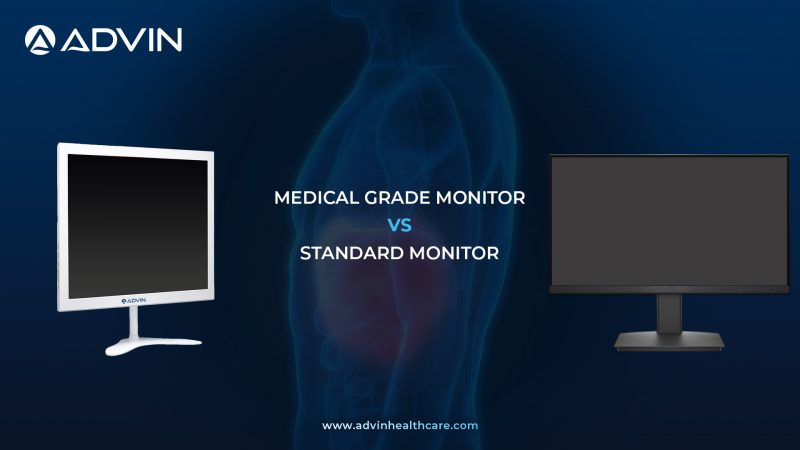
  • Medical Monitor 24″ / 27″

Instruments

  • Laparoscope 5 mm / 10 mm – 0° / 30°
  • Veress Needle 2.1 mm
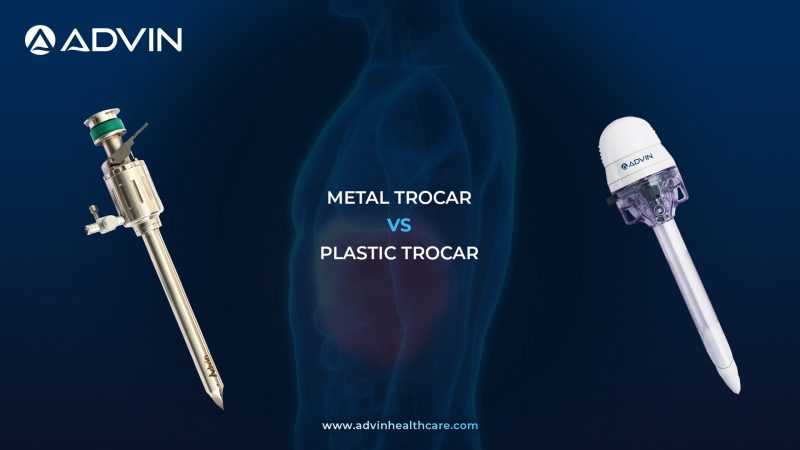
  • Laparoscopic Trocar (Multifunctional / Safety / Hasson / Spiral / Magnetic)
  • Apple Hunt Trocar Cannula 5 mm / 10 mm
  • Laparoscopic Grasper (Metal / Plastic)
  • Laparoscopic Needle Holder 3 mm / 5 mm (ST / Curved / Toothed)
  • Laparoscopic Clip Applicator 5 mm / 10 mm
  • Hem-O-Lock Clip Applicator (Green / Purple / Golden)
  • Laparoscopic Bipolar Forceps
  • Monopolar Electrodes (L Hook / J Hook / Spatula / Straight)
  • Laparoscopy Bipolar L Hook
  • Suction Irrigation Cannula Set (Trumpet / Thumb)
  • Laparoscopic Liver Retractor
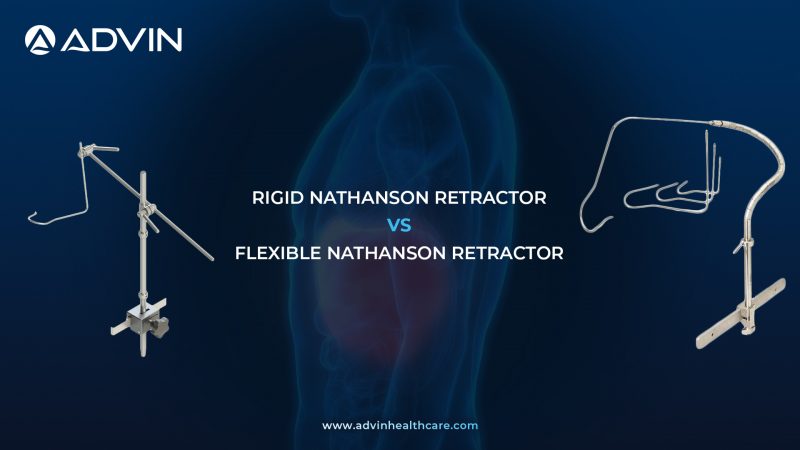
  • Nathanson Liver Retractor (Rigid / Flexible)
  • Laparoscopic Knot Pusher
  • Port Closure

Disposables

  • Hem-O-Lock Clips (Green / Purple / Golden)
  • Titanium Clips (LT 200 / LT 300 / LT 400)
  • Laparoscopy Endo Bag
  • Gall Bladder Extractor / Claw Forceps
  • CO2 Insufflator Tubing
  • Tubing Connector / Y Connector / Syringe Connector

Drapes

  • Laparoscopy Drape
  • Major Surgery Drape
  • Universal Split Drape

Clinical Applications

  • Treatment of gallstones (cholelithiasis)
  • Acute and chronic cholecystitis
  • Gall bladder polyps and dysfunction
  • Removal of infected or inflamed gall bladder
  • Minimally invasive hepatobiliary surgery
Instructions for Use (Laparoscopic Cholecystectomy – Short & Smart Workflow)
  • Prepare the patient using laparoscopy, major surgery, and split drapes to maintain a sterile field. 
  • Set up the Advin CO2 Insufflator (Advin CO2+) and create pneumoperitoneum using the Veress needle
  • Insert laparoscopic trocars (5 mm / 10 mm) to establish working ports. 
  • Connect the Advin Full HD Camera System, medical monitor, LED/Xenon light source, and fiber optic cable for clear visualization. 
  • Use the laparoscope (0° / 30°) to inspect the abdominal cavity and locate the gall bladder. 
  • Retract the liver using a liver retractor (Nathanson or standard) for proper exposure. 
  • Dissect tissues using laparoscopic graspers, monopolar electrodes, or bipolar forceps
  • Control and seal vessels using the Advin Electro+ ESU or Advin SafeSeal+ vessel sealing system
  • Apply Hem-O-Lock or titanium clips using clip applicators to secure the cystic duct and artery. 
  • Cut the structures using monopolar/bipolar energy instruments after clipping. 
  • Separate the gall bladder from the liver bed using electrosurgical instruments
  • Remove the gall bladder using an endo bag or extractor through the trocar port. 
  • Use the suction irrigation cannula to clean the operative field if required. 
  • Close the ports using a port closure device and complete the procedure. 
  • After completion, clean and sterilize reusable instruments and dispose of consumables properly.

Countries with High Clinical Adoption

  • United States
  • Germany
  • India
  • United Kingdom
  • Japan

Key Clinical Advantages

  • Gold standard minimally invasive procedure
  • Reduced post-operative pain and scarring
  • Faster recovery and shorter hospital stay
  • High precision with HD visualization
  • Advanced energy devices for safe dissection
  • Efficient workflow with complete laparoscopic setup

Advin Health Care Product Overview

Advin Health Care offers a complete Laparoscopic Cholecystectomy Set engineered for precision, safety, and efficiency in minimally invasive surgery. With advanced electrosurgical systems, vessel sealing technology, high-definition imaging, and a full range of laparoscopic instruments and disposables, the set enables surgeons to perform safe and effective gall bladder removal procedures while maintaining international quality standards.

Explore More Products>>

Get Connected:

+91-70717 27261 | urology@advinhealthcare.com | www.advinhealthcare.com
Glass Ellik Evacuator vs Plastic Ellik Evacuator: Choosing the Right Material for Efficient Bladder Evacuation

Introduction: Material Choice Impacts Surgical Performance

The Ellik Evacuator is an essential device used in urological procedures such as TURP to remove resected tissue chips and clots from the bladder. While both Glass Ellik Evacuator and Plastic Ellik Evacuator serve the same purpose, their material, durability, safety, and usability differ significantly.

Selecting the right type plays a key role in procedure efficiency, safety, and long-term cost management.

Product Overview in Clinical Use

Glass Ellik Evacuator

Glass Ellik Evacuators are the traditional and widely used option in urology.

Key characteristics:

  • Transparent glass chamber 
  • Reusable and autoclavable 
  • Rigid construction 

Clinical advantages:

  • Excellent visibility of evacuated material 
  • Long lifespan with proper handling 
  • Smooth and controlled suction 

They are commonly preferred where clear visualization and durability are priorities.

Plastic Ellik Evacuator

Plastic Ellik Evacuators are modern alternatives designed for convenience and safety.

Key characteristics:

  • Made from medical-grade plastic (PVC / polycarbonate) 
  • Lightweight design 
  • Available as disposable or reusable 

Clinical advantages:

  • Low risk of breakage 
  • Easy handling and portability 
  • Cost-effective for high-volume usage 

They are ideal for setups focusing on safety and operational ease.

Workflow-Based Usage: Clarity vs Convenience

Both evacuators perform the same function but differ in handling and performance:

  • Glass Evacuator → Better clarity and precision 
  • Plastic Evacuator → Safer handling and ease of use 

This affects:

  • Surgeon control 
  • Maintenance 
  • Risk of damage 

Core Differences That Drive Clinical Choice

The main difference lies in material properties and practical usability:

  • Glass offers superior transparency and reusability 
  • Plastic provides safety, flexibility, and cost efficiency 

Quick Comparison Overview

Aspect Glass Ellik Evacuator Plastic Ellik Evacuator
Material Glass Plastic (PVC / Polycarbonate)
Visibility Excellent Good
Durability High (but fragile) Moderate (impact-resistant)
Breakage Risk High Very low
Weight Heavy Lightweight
Reusability Reusable Disposable / reusable
Sterilization Autoclavable Depends on type
Cost Higher upfront Lower cost

Clinical Preference & Real-World Application

Glass Ellik Evacuator is commonly used in:

  • Hospitals requiring precise visualization 
  • Reusable instrument systems 
  • Controlled OT environments 

Its clarity helps in better monitoring of tissue evacuation.

Plastic Ellik Evacuator is preferred in:

  • High-volume procedures 
  • Clinics prioritizing safety 
  • Situations where breakage risk must be minimized 

Its lightweight and safe design improves ease of handling and workflow efficiency.

Practical Selection Guide

  • Choose Glass Ellik Evacuator for precision and long-term use 
  • Choose Plastic Ellik Evacuator for safety and cost efficiency 
  • Use glass in stable OT environments 
  • Use plastic in high-volume or disposable setups 

Conclusion: Precision vs Practicality

Both options are effective but serve different priorities:

  • Glass → Clarity, durability, and precision 
  • Plastic → Safety, convenience, and affordability 

The ideal choice depends on:

  • Clinical setup 
  • Budget 
  • Frequency of use 

Why Advin Health Care is the Right Choice

Advin Health Care offers a complete range of Ellik Evacuators designed for reliable performance in urological procedures.

  • Glass models provide excellent visibility and long-term durability 
  • Plastic models ensure safe handling and cost-effective usage 

With Advin, healthcare providers benefit from:

  • Consistent quality 
  • Practical design 
  • Solutions tailored for modern surgical needs 

Explore More Products>>

Get Connected:

+91-70717 27261 | urology@advinhealthcare.com | www.advinhealthcare.com
Biliary Stent Pusher vs Biliary Stent Introducer Set: Complete Delivery System vs Deployment Support in ERCP

Introduction: Understanding the Difference in Stent Placement Tools

In ERCP procedures, successful biliary stenting depends not just on the stent, but also on the accessories used to deliver and position it. Two commonly used tools—Biliary Stent Introducer Set and Biliary Stent Pusher—are often confused, even though they serve different roles. 

Stent placement involves guiding the stent into the bile duct and positioning it accurately across the stricture. Each device contributes at a different stage of this process. Knowing their exact function helps improve procedural efficiency and avoids handling errors.

Device Role in the Stenting Process

Biliary Stent Introducer Set (ERCP Stent Delivery System)
Advin Health Care’s Biliary Stent Introducer Set is a complete system used for inserting the stent into the biliary duct. It typically includes a catheter, guidewire compatibility, and a pusher mechanism, allowing controlled advancement of the stent through the endoscope. This system is used from the initial insertion stage until the stent reaches the target site.

Biliary Stent Pusher (Stent Deployment Device)
Advin Health Care’s Biliary Stent Pusher is a supporting tool used to advance and deploy the stent once it is inside the duct. It is not a complete system but a component that ensures precise positioning of the stent across the stricture. It is mainly used in the final stage of placement.

Workflow Positioning: System vs Support Tool

These two are not interchangeable—they work together in sequence.

The Introducer Set handles delivery and navigation, while the Stent Pusher ensures final placement and adjustment. The introducer provides the pathway, and the pusher completes the job.

Key distinctions include:

  • Introducer Set → Full stent delivery system
  • Stent Pusher → Deployment and positioning tool

Quick Comparison Overview

Aspect Biliary Stent Introducer Set Biliary Stent Pusher
Role Complete delivery system Deployment tool
Function Insert and guide stent Push and position stent
Usage Stage Initial to mid stage Final stage
Components Catheter + pusher system Single component
Control Guided advancement Targeted positioning
Application Full stent placement Final adjustment

Clinical Preference & Real-World Use

Advin Biliary Stent Introducer Set is essential in every ERCP stenting procedure. It ensures smooth entry, controlled movement, and proper alignment of the stent within the duct.

Advin Biliary Stent Pusher is used when precise placement is required, especially in tight strictures. It allows the clinician to adjust and deploy the stent accurately without losing position.

Practical Selection Guide

  • Use Advin Introducer Set for complete stent delivery
  • Use Advin Stent Pusher for final positioning
  • Introducer handles the full insertion process
  • Pusher ensures accurate deployment

For procurement teams, Advin Health Care provides both introducer sets and pushers, ensuring full procedural support without dependency on external components.

Why Advin Health Care is the Right Choice

Advin Health Care offers a complete range of ERCP stenting accessories designed for consistent clinical performance. Advin Biliary Stent Introducer Sets are built for smooth insertion, compatibility, and controlled delivery across different cases.

At the same time, Advin Health Care’s Biliary Stent Pushers are designed for precise handling and reliable deployment. With Advin, healthcare providers benefit from dependable quality, complete stenting solutions, and products that support every stage of biliary intervention.

Explore More Products>>

Get Connected:

+91-75037 27250 | gastrology@advinhealthcare.com | www.advinhealthcare.com
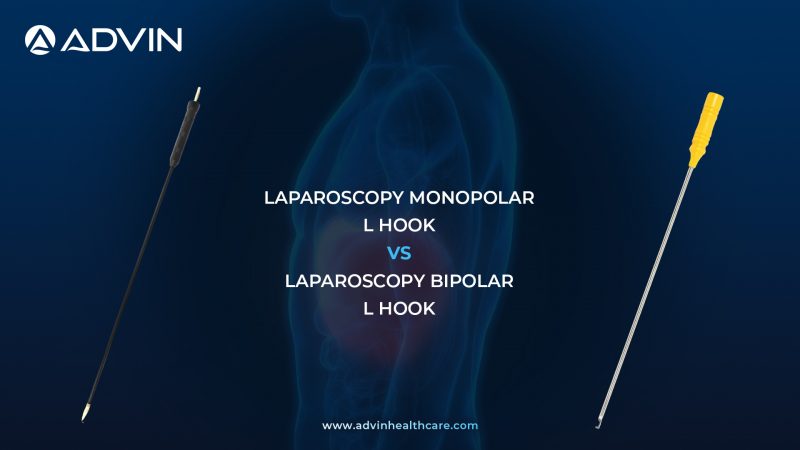
Short-Term vs Long-Term Hemodialysis Catheters: Key Differences Explained

Vascular access is the lifeline of effective hemodialysis treatment. Among the available options, hemodialysis catheters are essential, particularly in urgent or transitional clinical situations. These catheters are broadly categorized into short-term and long-term types—each serving a distinct purpose in patient care.

Understanding their differences is crucial for selecting the right solution and ensuring optimal dialysis outcomes.

What is a Hemodialysis Catheter?

A hemodialysis catheter is a medical device inserted into a large vein to facilitate the removal and return of blood during dialysis. It is commonly used when immediate access is required or when permanent options like AV fistulas are not yet available.

Short-Term Hemodialysis Catheters

Short-term catheters are designed for immediate and temporary use, especially in emergency situations where dialysis must begin without delay.

Key Characteristics:

  • Non-tunneled design (direct vein insertion) 
  • Typically placed in the internal jugular, femoral, or subclavian vein 
  • No cuff for tissue anchoring 
  • Quick and simple insertion procedure 

Duration of Use:

  • Suitable for a few days to a few weeks 

Advantages:

  • Rapid access for urgent dialysis 
  • Easy placement with minimal preparation 
  • Cost-effective for short-term needs 

Limitations:

  • Higher risk of infection 
  • Less secure (greater chance of displacement) 
  • Not recommended for prolonged use 

Long-Term Hemodialysis Catheters

Long-term catheters are designed for extended use and are ideal when long-term dialysis is required or while waiting for permanent access to mature.

Key Characteristics:

  • Tunneled under the skin 
  • Equipped with a cuff that promotes tissue ingrowth 
  • Provides better stability and secure placement 
  • Usually inserted in the internal jugular vein 

Duration of Use:

  • Suitable for months to years 

Advantages:

  • Lower infection risk compared to short-term catheters 
  • Improved stability and patient comfort 
  • Reliable for ongoing dialysis treatment 

Limitations:

  • Requires a minor surgical procedure 
  • Higher initial cost 
  • Needs proper care and maintenance 

Short-Term vs Long-Term Catheters: Quick Comparison

Feature Short-Term Catheter Long-Term Catheter
Design Non-tunneled Tunneled with cuff
Duration Days to weeks Months to years
Placement Direct vein insertion Subcutaneous tunneling
Infection Risk Higher Lower
Stability Less stable More secure
Procedure Simple Minor surgical procedure
Cost Lower Higher

Which Catheter is Right for Your Patient?

The choice depends on several clinical factors, including:

  • Urgency of dialysis initiation 
  • Expected duration of treatment 
  • Patient’s vascular condition 
  • Availability of long-term access options 

Short-term catheters are best suited for emergency and temporary use, while long-term catheters provide a safer and more stable solution for extended dialysis therapy.

Conclusion

Both short-term and long-term hemodialysis catheters play a vital role in managing patients requiring dialysis. Choosing the appropriate type not only improves treatment efficiency but also reduces complications and enhances patient comfort.

A well-informed decision ensures better clinical outcomes and supports long-term patient care strategies.

Explore More Products>>

Get Connected:

+91-75037 27249 | dialysis@advinhealthcare.com | www.advinhealthcare.com
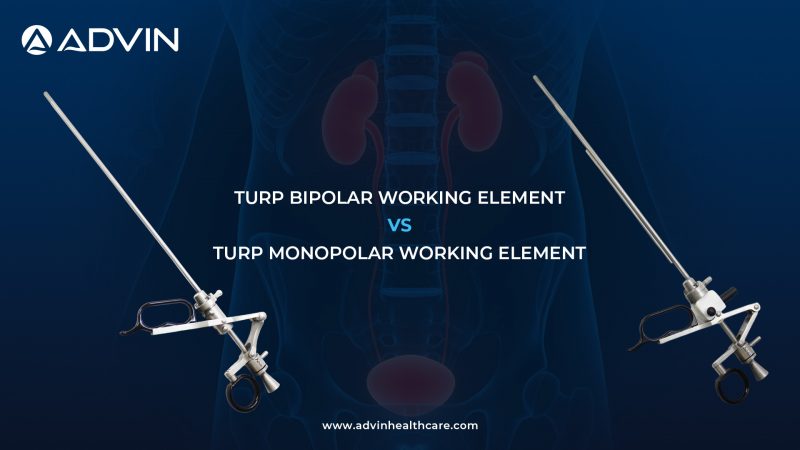
Angiography (Diagnostic) Catheter vs Guiding Catheter – Which One is Right for Cardiology Procedures?

Introduction

In interventional cardiology, selecting the right catheter is essential for accurate diagnosis and effective treatment. Two commonly used devices are the Angiography (Diagnostic) Catheter and the Guiding Catheter.

Both are used to access coronary arteries, but their purpose and functionality differ significantly. While one is focused on diagnosis, the other plays a key role in treatment procedures. Understanding their differences helps in choosing the right tool for better clinical outcomes

Product Overview

🔹 Angiography (Diagnostic) Catheter

The Angiography (Diagnostic) Catheter is primarily used for diagnostic procedures. It allows the injection of contrast media into blood vessels, enabling clear visualization of coronary arteries during angiography.

🔹 Guiding Catheter

The Guiding Catheter is designed for interventional procedures such as angioplasty. It provides a stable pathway and strong support for the delivery of devices like balloons and stents.

Quick Comparison Table

Feature Angiography (Diagnostic) Catheter Guiding Catheter
Primary Purpose Diagnosis Intervention
Function Contrast delivery Device support & delivery
Procedure Type Angiography Angioplasty / PCI
Support Level Moderate High
Device Compatibility Limited Multiple devices
Control & Stability Standard Enhanced
Clinical Use Vessel imaging Treatment procedures

Key Feature Comparison


  • Purpose & Function


The Angiography Catheter is used to diagnose cardiovascular conditions by delivering contrast media for imaging. In contrast, the Guiding Catheter is used during treatment procedures, supporting the delivery and control of interventional devices.


  • Support & Stability


Diagnostic catheters provide adequate stability for imaging procedures. Guiding catheters offer higher support and stability, which is essential during complex interventions.


  • Device Handling


Angiography catheters are not intended for device delivery. Guiding catheters are specifically designed to allow smooth passage and control of interventional devices.


  • Procedural Role


The Angiography Catheter is used in the initial stage to evaluate coronary arteries. The Guiding Catheter is used in the treatment stage to perform procedures such as angioplasty.


  • Clinical Application


Diagnostic catheters help identify blockages and assess vessel condition. Guiding catheters are used to treat these blockages by enabling device-based interventions.

Common Features

Both catheters share key advantages:

  •  Provide safe vascular access 
  •  Designed for smooth navigation and reduced vessel trauma 
  •  Compatible with standard cardiology procedures 
  •  Ensure controlled handling during procedures 
  •  Offer reliable clinical performance 
  •  Sterile, single-use design for safety 

Key Differences 

  • Purpose: Diagnosis vs Treatment 
  • Function: Imaging vs Device delivery 
  • Support: Moderate vs High 
  • Usage Stage: Initial vs Interventional 
  • Complexity Handling: Basic vs Advanced 

Which One Should You Choose?

  • Choose Angiography (Diagnostic) Catheter when: 
    • Diagnostic imaging is required 
    • Evaluating coronary arteries 
    • No intervention is planned 
  • Choose Guiding Catheter when: 
    • Performing angioplasty or PCI 
    • Strong support for device delivery is needed 
    • Handling complex interventional procedures 

Conclusion

Both the Angiography (Diagnostic) Catheter and Guiding Catheter are essential in cardiology practice. The diagnostic catheter plays a key role in identifying the problem, while the guiding catheter enables effective treatment.

Choosing the right catheter based on procedural needs ensures better efficiency, improved outcomes, and enhanced procedural control.

Explore More Products>>

Get Connected:

+91-75037 27248 | cardiology@advinhealthcare.com | www.advinhealthcare.com
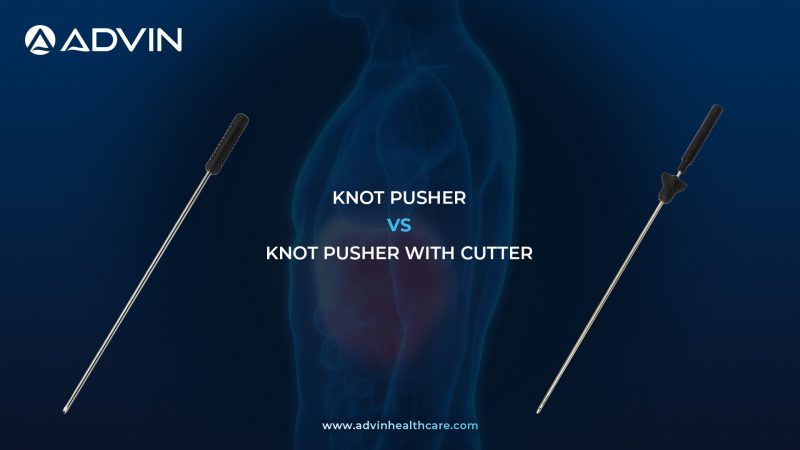
Urethroplasty Set – Comprehensive Surgical Set for Urethral Restoration Procedures

Clinical Purpose of Urethral Stricture Surgery (Urethroplasty)

The Urethroplasty Set is a comprehensive reconstructive surgical solution designed for the definitive treatment of urethral strictures through open urethral reconstruction. It supports precise tissue dissection, scar excision, graft or flap placement, urethral calibration, and secure anastomosis to restore long-term urethral patency. This set is ideal for complex, recurrent, and long-segment strictures where endoscopic management is insufficient.

Evolution of Reconstructive Techniques in Urethroplasty Systems

Urethral stricture surgery has evolved from repeated dilatation and internal urethrotomy to highly refined reconstructive urethroplasty techniques. While minimally invasive procedures offer short-term relief, recurrence remains common in complex strictures.

Modern urethroplasty techniques, including excision and primary anastomosis, augmentation urethroplasty, and substitution graft procedures, provide superior long-term success rates. With specialized retractors, dilators, and microsurgical instruments, surgeons can now achieve precise reconstruction with improved functional outcomes.

System Components and Functional Integration of Urethroplasty Set

Equipment

  • LED Light Source

Instruments

  • Urethroplasty Instrument Set
  • Turner Warwick Ring Retractor with 6 Blades
  • Hey Groove Dilator Set
  • Davis Boyle Mouth Gag with 5 Blade
  • Bone Nibbler
  • Bone Cutter
  • Needle Holder (TC)
  • Mastoid Retractor
  • Urethroplasty Gouge
  • Surgical Hammer
  • Dissecting Forceps

Disposables

  • Urethral Dilator Set
  • Male Urethral Dilator Set – 12 Dilators (Metal)
  • Female Hegard Urethral Dilator Set – 10 Dilators (Metal)
  • Foley Balloon Catheter 2 Way 12–24 FG
  • Urine Collecting Bag

Drapes

  • Urology Drape
  • Perineal Drape
  • Major Surgery Drape

Clinical Applications of Urethral Stricture Reconstruction

  • Definitive treatment of urethral strictures
  • Recurrent strictures after OIU or dilatation
  • Long-segment anterior urethral strictures
  • Bulbar and penile urethral reconstruction
  • Traumatic urethral injury repair
  • Complex urethral scar excision and grafting
Instructions for Use of Urethroplasty System
  • Set up the LED light source and prepare the surgical field using urology, perineal, and major surgery drapes to maintain full sterility. 
  • Use the Turner Warwick ring retractor with 6 blades and mastoid retractor to obtain wide exposure of the urethral stricture segment. 
  • Perform careful tissue dissection with dissecting forceps using the urethroplasty instrument set to isolate the diseased urethra. 
  • Use Hey Groove dilators or urethral dilator sets (male/female metal) to assess and calibrate the stricture length and lumen. 
  • Excise the fibrotic stricture segment and prepare healthy urethral ends for reconstruction. 
  • Use graft or flap support instruments such as Davis Boyle mouth gag when oral mucosal graft harvesting is required. 
  • Use the needle holder (TC) to complete precise urethral suturing and tension-free anastomosis. 
  • Use bone nibbler, bone cutter, gouge, or surgical hammer only if bony access or pubic bone modification is needed in complex posterior urethroplasty. 
  • Insert a Foley catheter across the repair site for urinary drainage and healing support. 
  • Connect to a urine collecting bag to monitor postoperative urine output. 
  • After completion, clean and sterilize all reusable instruments properly.

Key Global Markets with High Adoption of Urethroplasty Procedures

  • United States
  • Germany
  • India
  • United Kingdom
  • Middle East Countries

Clinical Advantages of Urethroplasty Technique

  • Gold standard definitive stricture treatment
  • High long-term success rate
  • Suitable for recurrent and complex strictures
  • Restores durable urethral patency
  • Reduced recurrence compared to OIU
  • Supports graft and flap reconstruction techniques

Advin Health Care Urethroplasty Product Portfolio Overview

Advin Health Care offers a complete Urethroplasty Set designed for precision, durability, and advanced reconstructive urology procedures. With specialized retractors, dilators, microsurgical instruments, and essential disposables, the set enables surgeons to perform reliable urethral reconstruction while maintaining international quality standards.

Explore More Products>>

Get Connected:

+91-70717 27261 | urology@advinhealthcare.com | www.advinhealthcare.com