 English
 Afrikaans
 Albanian
 Amharic
 Arabic
 Armenian
 Azerbaijani
 Basque
 Belarusian
 Bengali
 Bosnian
 Bulgarian
 Catalan
 Cebuano
 Chichewa
 Chinese (Simplified)
 Chinese (Traditional)
 Corsican
 Croatian
 Czech
Czech Danish
 Dutch
Dutch Esperanto
 Estonian
 Filipino
 Finnish
 French
 Frisian
 Galician
 Georgian
 German
 Greek
Greek Gujarati
 Haitian Creole
 Hausa
Hausa Hawaiian
 Hebrew
 Hindi
Hindi Hmong
Hmong Hungarian
 Icelandic
 Igbo
Igbo Indonesian
 Irish
Irish Italian
 Japanese
 Javanese
 Kannada
 Kazakh
 Khmer
Khmer Korean
 Kurdish (Kurmanji)
 Kyrgyz
 Lao
Lao Latin
Latin Latvian
 Lithuanian
 Luxembourgish
 Macedonian
 Malagasy
 Malay
Malay Malayalam
 Maltese
 Maori
Maori Marathi
 Mongolian
 Myanmar (Burmese)
 Nepali
 Norwegian
 Pashto
 Persian
 Polish
 Portuguese
 Punjabi
 Romanian
 Russian
 Samoan
 Scottish Gaelic
 Serbian
 Sesotho
 Shona
Shona Sindhi
 Sinhala
 Slovak
 Slovenian
 Somali
 Spanish
 Sudanese
 Swahili
 Swedish
 Tajik
Tajik Tamil
Tamil Telugu
 Thai
Thai Turkish
 Ukrainian
 Urdu
Urdu Uzbek
Uzbek Vietnamese
 Welsh
Welsh Xhosa
Xhosa Yiddish
 Yoruba
 Zulu
Zulu
Introduction
Laparoscopic surgery is entering a new phase—faster, smarter, and more precise than ever before. What began as a minimally invasive alternative to open surgery is now evolving into a technology-driven ecosystem that integrates robotics, artificial intelligence, advanced imaging, and smart instruments. The next generation of laparoscopy is focused on improving surgical accuracy, reducing patient trauma, and delivering better outcomes.
Shift Toward Ultra-Minimally Invasive Surgery
The next wave of laparoscopy is pushing boundaries beyond traditional minimally invasive techniques.
Key developments include:
- Single-port surgery (fewer incisions)
- Needle-size instruments (mini-laparoscopy)
- Scarless procedures (NOTES – Natural Orifice Surgery)
These approaches aim to reduce visible scars, pain, and recovery time even further.
Integration of Robotics in Laparoscopy
Robotic-assisted laparoscopy is redefining surgical precision. Systems like the da Vinci Surgical System allow surgeons to perform complex procedures with enhanced control and visualization.
Benefits include:
- Tremor-free movements
- Greater range of motion
- Improved ergonomics
- Higher surgical accuracy
Robotics is becoming a key pillar of next-generation laparoscopic surgery.
Artificial Intelligence (AI) in Surgery
AI is transforming how surgeries are planned and performed.
Applications of AI in laparoscopy:
- Real-time image analysis during surgery
- Identification of anatomical structures
- Decision support for surgeons
- Predictive analytics for patient outcomes
AI helps reduce human error and enhances surgical efficiency.
Advanced Imaging and Visualization
Visualization technology has seen major improvements, making surgeries safer and more precise.
Innovations include:
- 4K and 8K ultra-HD imaging
- 3D visualization systems
- Fluorescence imaging (for better tissue identification)
- Augmented Reality (AR)-guided surgery
These tools provide surgeons with a clearer and more detailed view of internal anatomy.
Smart and Connected Surgical Systems
The future of laparoscopy lies in connected operating rooms and smart devices.
Key features:
- Integration with hospital data systems
- Real-time monitoring and analytics
- Remote surgery capabilities (tele-surgery)
- IoT-enabled surgical instruments
This connectivity improves workflow, efficiency, and patient safety.
Advanced Energy Devices and Instruments
Modern laparoscopic instruments are becoming more efficient and multifunctional.
Examples:
- Vessel sealing systems
- Advanced bipolar and ultrasonic devices
- Ergonomic and precision-designed instruments
- Disposable instruments for infection control
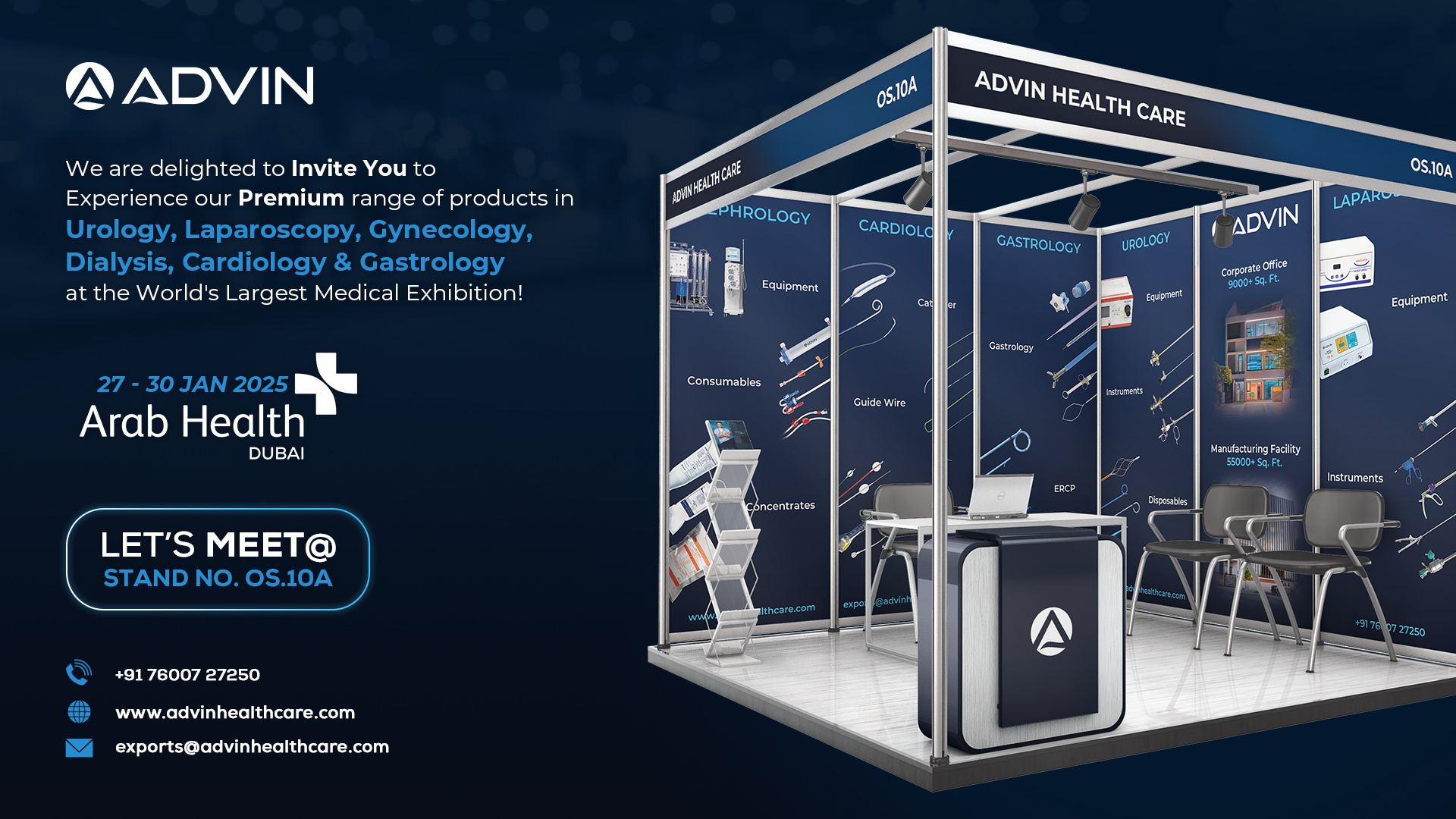
Companies like Advin Health Care are contributing to these advancements by developing innovative and high-quality surgical tools.
Focus on Patient-Centric Outcomes
Next-generation laparoscopy is not just about technology—it’s about improving patient experience.
Key benefits:
- Less pain and trauma
- Faster recovery and discharge
- Reduced complications
- Improved cosmetic results
The goal is to deliver safer, faster, and more comfortable treatment for patients.
Future Trends to Watch
The evolution of laparoscopic surgery will continue with innovations such as:
- AI-powered autonomous surgical assistance
- Fully digital operating rooms
- Nanotechnology-based surgical tools
- Expansion of robotic surgery in developing markets
These trends will further push the boundaries of what is possible in surgery.
Conclusion
Next-generation laparoscopic surgery represents the future of modern healthcare. With the integration of robotics, AI, advanced imaging, and smart technologies, laparoscopy is becoming more precise, efficient, and patient-friendly.