 English
 Afrikaans
 Albanian
 Amharic
 Arabic
 Armenian
 Azerbaijani
 Basque
 Belarusian
 Bengali
 Bosnian
 Bulgarian
 Catalan
 Cebuano
 Chichewa
 Chinese (Simplified)
 Chinese (Traditional)
 Corsican
 Croatian
 Czech
Czech Danish
 Dutch
Dutch Esperanto
 Estonian
 Filipino
 Finnish
 French
 Frisian
 Galician
 Georgian
 German
 Greek
Greek Gujarati
 Haitian Creole
 Hausa
Hausa Hawaiian
 Hebrew
 Hindi
Hindi Hmong
Hmong Hungarian
 Icelandic
 Igbo
Igbo Indonesian
 Irish
Irish Italian
 Japanese
 Javanese
 Kannada
 Kazakh
 Khmer
Khmer Korean
 Kurdish (Kurmanji)
 Kyrgyz
 Lao
Lao Latin
Latin Latvian
 Lithuanian
 Luxembourgish
 Macedonian
 Malagasy
 Malay
Malay Malayalam
 Maltese
 Maori
Maori Marathi
 Mongolian
 Myanmar (Burmese)
 Nepali
 Norwegian
 Pashto
 Persian
 Polish
 Portuguese
 Punjabi
 Romanian
 Russian
 Samoan
 Scottish Gaelic
 Serbian
 Sesotho
 Shona
Shona Sindhi
 Sinhala
 Slovak
 Slovenian
 Somali
 Spanish
 Sudanese
 Swahili
 Swedish
 Tajik
Tajik Tamil
Tamil Telugu
 Thai
Thai Turkish
 Ukrainian
 Urdu
Urdu Uzbek
Uzbek Vietnamese
 Welsh
Welsh Xhosa
Xhosa Yiddish
 Yoruba
 Zulu
Zulu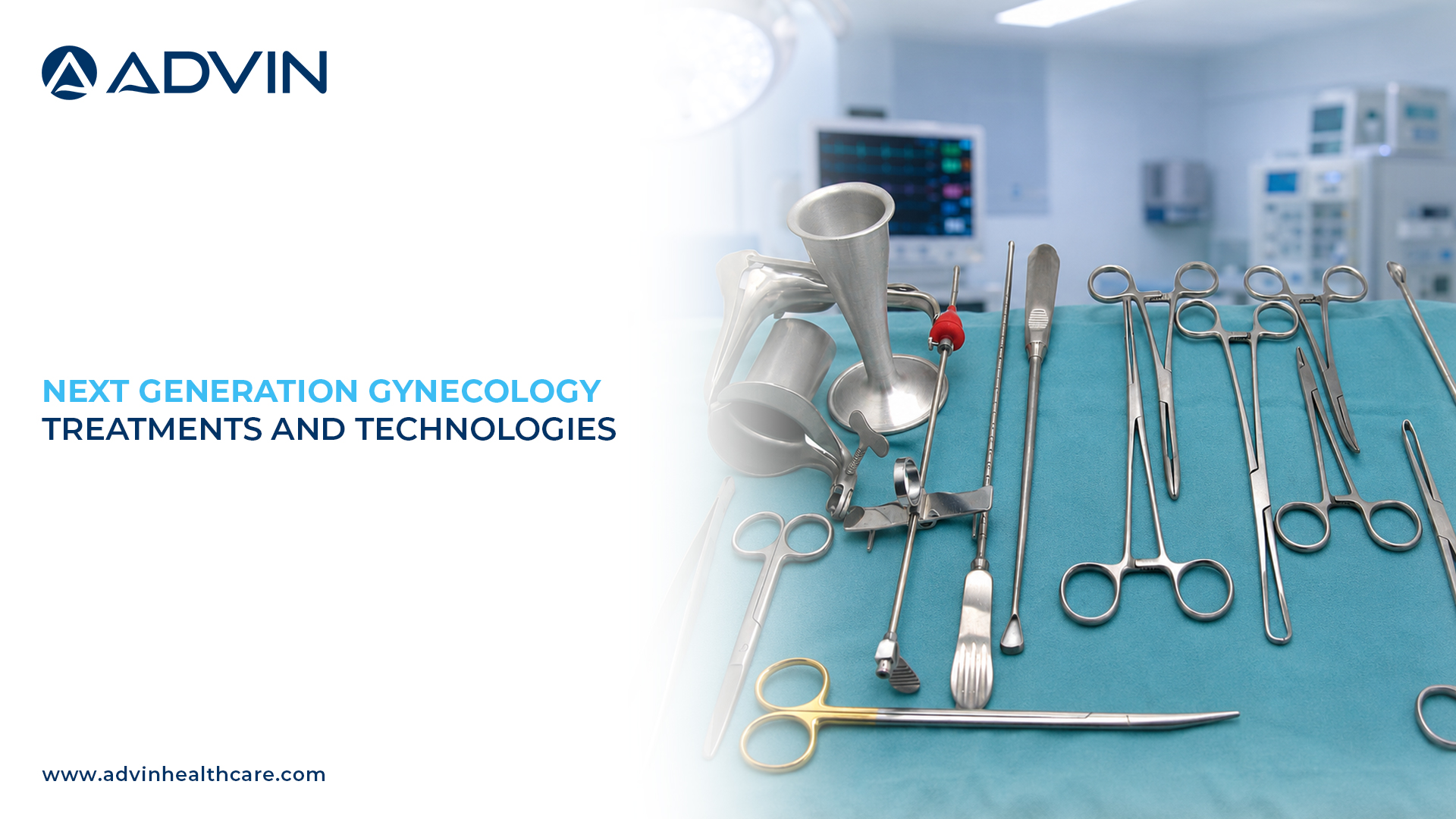
Introduction
Gynecology is rapidly advancing into a new era where innovation, precision, and patient comfort are at the center of care. Next-generation technologies are transforming how women’s health conditions are diagnosed, treated, and managed. From AI-driven diagnostics to robotic surgery, modern gynecology is becoming more efficient, minimally invasive, and personalized.
Advanced Diagnostic Innovations
Early and accurate diagnosis is key to effective treatment, and new technologies are making this more precise than ever.
Key advancements include:
- AI-assisted imaging for early detection of cervical and ovarian conditions
- 3D and high-resolution ultrasound systems
- Digital colposcopy with enhanced visualization
- Molecular and genetic testing for disease prediction
These innovations help in identifying conditions at an early stage, improving treatment outcomes.
Minimally and Non-Invasive Treatments
The future of gynecology is focused on reducing surgical trauma and improving patient comfort.
Emerging approaches include:
- Office-based hysteroscopy procedures
- Advanced laparoscopic techniques with smaller incisions
- Non-invasive treatments using energy-based devices
- Day-care surgeries with quick recovery
These methods allow patients to return to normal life faster with minimal discomfort.
Robotic-Assisted Surgery
Robotic systems such as the da Vinci Surgical System are redefining complex gynecological procedures.
Benefits include:
- High precision and control
- 3D high-definition visualization
- Reduced blood loss and complications
- Faster recovery time
Robotic-assisted surgery is increasingly used for hysterectomy, myomectomy, and cancer treatments.
Laser and Energy-Based Technologies
Advanced energy devices are playing a major role in modern gynecology.
Applications include:
- Treatment of fibroids and endometriosis
- Removal of abnormal tissues
- Minimally invasive procedures with high precision
These technologies reduce surgical risks and improve outcomes.
Smart and Connected Healthcare Solutions
Digital transformation is enhancing gynecological care through smart technologies.
Key developments:
- Telemedicine for remote consultations
- Wearable devices for reproductive health monitoring
- Mobile apps for menstrual and fertility tracking
- Integration of patient data for better decision-making
These solutions improve accessibility and continuity of care.
Personalized and Precision Medicine
Next-generation gynecology is shifting toward personalized treatment approaches.
Focus areas include:
- Genetic profiling for risk assessment
- Customized treatment plans
- Hormone-based therapies tailored to individual needs
This approach improves effectiveness and reduces unnecessary treatments.
Role of Medical Device Companies
Innovation in gynecology is driven by medical device manufacturers such as Advin Health Care.
These companies develop advanced instruments, imaging systems, and surgical technologies that support modern gynecological procedures and improve patient care.
Future Trends to Watch
The next generation of gynecology will continue to evolve with cutting-edge innovations:
- AI-powered decision support systems
- Robotic and automated surgical platforms
- Non-invasive and scarless treatment techniques
- Integration of augmented reality (AR) in surgery
- Expansion of digital health ecosystems
Conclusion
Next-generation gynecology treatments and technologies are transforming women’s healthcare by making it more precise, efficient, and patient-friendly. With advancements in diagnostics, minimally invasive surgery, robotics, and digital health, the future of gynecology promises improved outcomes and better quality of life for women worldwide.