Robotic Urology Surgery – The Next Revolution in Healthcare

Introduction

Robotic urology surgery represents one of the most significant breakthroughs in modern medicine. By combining advanced robotics with surgical expertise, it has transformed how complex urological procedures are performed. This technology enables greater precision, improved outcomes, and a better overall experience for patients, making it a true revolution in healthcare.

What is Robotic Urology Surgery?

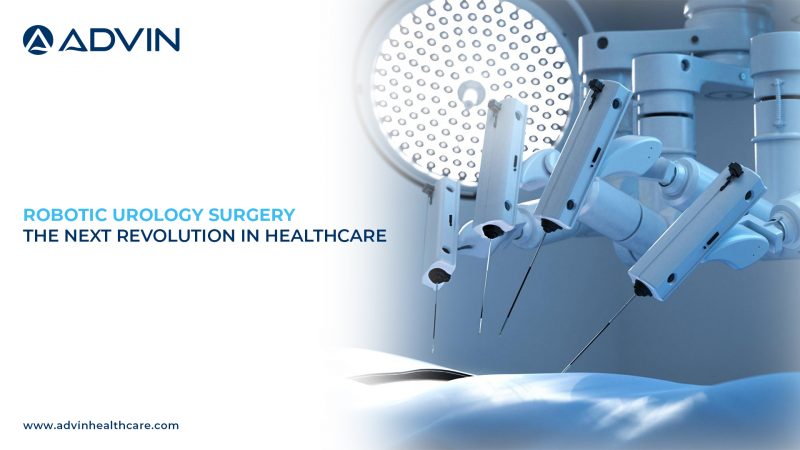
Robotic urology surgery is a minimally invasive technique where surgeons use a robotic system to perform procedures with enhanced control and accuracy. The most widely used platform is the da Vinci Surgical System.

In this system:

  • The surgeon controls robotic arms from a console 
  • Instruments mimic human hand movements with higher precision 
  • A 3D high-definition camera provides a detailed view of the surgical area 

This combination allows for extremely delicate and precise procedures.

Key Applications in Urology

Robotic surgery is widely used in various urological procedures, including:

  • Prostate surgery (Radical prostatectomy) 
  • Kidney surgery (Partial or total nephrectomy) 
  • Bladder surgery 
  • Reconstructive urology procedures 

These applications highlight the versatility and effectiveness of robotic systems in modern urology.

Advantages of Robotic Surgery

Enhanced Precision
Robotic instruments allow for highly accurate movements, reducing the risk of damage to surrounding tissues.

Minimally Invasive Approach
Small incisions lead to less pain, minimal scarring, and faster healing.

Better Visualization
3D high-definition imaging provides surgeons with a clearer and more detailed view.

Reduced Blood Loss and Complications
Improved control leads to safer procedures and fewer complications.

Faster Recovery
Patients experience shorter hospital stays and quicker return to normal activities.

Technological Innovations Behind Robotic Surgery

Robotic urology surgery is powered by cutting-edge technologies such as:

  • Advanced robotic arms with multiple degrees of freedom 
  • High-definition 3D imaging systems 
  • Motion scaling and tremor filtration 
  • Integration with digital and imaging technologies 

These innovations enhance surgical performance and outcomes.

Role of Medical Device Companies

The advancement of robotic urology surgery is driven by leading medical technology companies like Advin Health Care.

These companies contribute by developing high-quality surgical instruments, imaging systems, and supporting technologies that complement robotic platforms and improve overall surgical efficiency.

Challenges and Considerations

While robotic surgery offers many benefits, it also comes with certain challenges:

  • High cost of robotic systems 
  • Requirement for specialized training 
  • Limited availability in smaller healthcare centers 

Despite these challenges, the adoption of robotic surgery continues to grow globally.

Future of Robotic Urology

The future of robotic urology surgery is promising, with ongoing advancements such as:

  • Integration of Artificial Intelligence (AI) 
  • Improved robotic systems with enhanced capabilities 
  • Greater accessibility and affordability 
  • Expansion into more complex procedures 

These developments will further strengthen the role of robotics in urology.

Conclusion

Robotic urology surgery is truly the next revolution in healthcare. By combining precision, innovation, and patient-centered care, it has redefined the standards of surgical treatment.

The Complete History of Urology – From Ancient Medicine to Modern Surgery

  • Introduction

Urology is one of the oldest branches of medicine, focusing on diseases related to the urinary tract and male reproductive system. Over centuries, it has transformed from basic observational practices into a highly advanced surgical specialty. Today, urology plays a crucial role in diagnosing and treating conditions such as kidney stones, prostate disorders, and urinary tract diseases. Understanding its history helps us appreciate how far medical science has progressed.

  • Ancient Beginnings of Urology

The roots of urology can be traced back to ancient civilizations such as Egypt, India, and Greece. Early physicians relied on observation and simple tools to diagnose urinary conditions. One of the oldest known procedures was lithotomy, a surgical method used to remove bladder stones. Ancient texts like the Sushruta Samhita described urinary diseases and their treatments in detail. However, due to limited knowledge and lack of anesthesia, these procedures were risky and painful.

  • Medieval and Renaissance Developments

During the medieval period, urology began to evolve slowly. Specialized practitioners known as “lithotomists” performed stone removal surgeries. In the Renaissance era, advancements in anatomy and surgical techniques improved understanding of the urinary system. Physicians started using primitive instruments to explore the bladder, marking the early stages of diagnostic urology.

  • Birth of Modern Urology (19th Century)

The 19th century marked a turning point in the history of urology. The invention of the cystoscope allowed doctors to visually examine the bladder for the first time. This breakthrough significantly improved diagnosis and treatment accuracy. At the same time, the introduction of anesthesia and antiseptic techniques made surgeries safer and more effective. Urology gradually emerged as a distinct medical specialty separate from general surgery.

  • 20th Century: Rapid Advancements

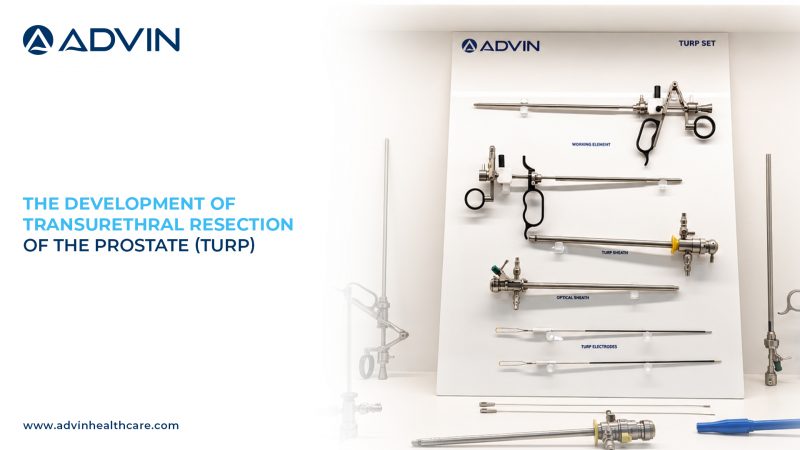
The 20th century witnessed major innovations that transformed urology into a modern discipline. Procedures like Transurethral Resection of the Prostate (TURP) became the gold standard for treating prostate enlargement. Imaging technologies such as X-rays and ultrasound improved diagnostic capabilities.

Additionally, the development of endoscopic techniques allowed surgeons to perform procedures with minimal incisions. This era also saw the introduction of specialized instruments like resectoscopes, ureteroscopes, and nephroscopes, which enhanced precision and patient outcomes.

  • Rise of Minimally Invasive Urology

In recent decades, urology has shifted towards minimally invasive and patient-friendly procedures. Techniques such as PCNL (Percutaneous Nephrolithotomy) and URS (Ureteroscopy) revolutionized kidney stone treatment. The use of laser technology further improved the effectiveness of stone removal and prostate surgeries.

Minimally invasive urology offers several advantages, including reduced pain, shorter hospital stays, and faster recovery times, making it the preferred approach in modern healthcare.

  • Technological Revolution in Urology

Today, technology plays a vital role in urology. Advanced imaging systems, high-definition endoscopes, and robotic-assisted surgeries have significantly enhanced surgical precision. Robotic systems allow surgeons to perform complex procedures with greater accuracy and control.

Disposable and flexible instruments have also gained popularity, improving hygiene and reducing the risk of infections. These innovations continue to push the boundaries of what is possible in urological care.

  • Urology in the Modern Healthcare Industry

Urology has become a key division in hospitals and medical institutions worldwide. The demand for advanced urology equipment and procedures is growing due to increasing cases of kidney stones, prostate disorders, and lifestyle-related diseases.

Medical device companies, including Advin Health Care, play an important role in supplying high-quality instruments and solutions that support modern urological procedures. The industry continues to expand globally, driven by innovation and rising healthcare needs.

  • Future of Urology

The future of urology looks promising, with ongoing advancements in robotics, artificial intelligence, and personalized medicine. AI-driven diagnostics and smart surgical tools are expected to further improve accuracy and patient outcomes.

As technology continues to evolve, urology will become even more efficient, minimally invasive, and patient-centric, ensuring better healthcare for future generations.

  • Conclusion

The journey of urology from ancient medicine to modern surgery is a remarkable story of innovation and progress. From painful stone removal procedures to advanced robotic surgeries, the field has undergone a massive transformation. Today, urology stands as a highly specialized and technologically advanced branch of medicine, continuously evolving to meet the needs of patients worldwide.

History of Kidney Stone Treatment – From Ancient Methods to Laser Technology

Introduction

Kidney stone disease is one of the oldest known medical conditions, affecting humans for thousands of years. The treatment of kidney stones has evolved dramatically—from painful, high-risk surgeries in ancient times to today’s advanced, minimally invasive laser procedures. This journey reflects the progress of medical science, technology, and patient care in urology.

Ancient Methods of Kidney Stone Treatment

In ancient civilizations such as Egypt, India, and Greece, kidney stones were treated using primitive and often dangerous techniques. The most common method was lithotomy, a surgical procedure to remove bladder stones through an incision.

Ancient texts like the Sushruta Samhita described stone diseases and their management. However, due to the lack of anesthesia and sterilization, these procedures were extremely painful and carried high risks of infection and mortality.

Medieval and Early Surgical Approaches

During the medieval period, specialized surgeons known as lithotomists performed stone removal procedures. While techniques improved slightly, the risks remained high.

Instruments became somewhat more refined, but the absence of proper medical knowledge and hygiene limited success rates. Kidney stone treatment was still considered one of the most dangerous surgical procedures.

19th Century: Beginning of Safer Treatments

The 19th century brought significant improvements with the introduction of anesthesia and antiseptic techniques. These advancements made surgeries safer and more controlled.

Doctors began to better understand the urinary system, leading to more effective surgical approaches. However, most procedures still required open surgery, which involved long recovery times and higher complication risks.

20th Century: Breakthrough Innovations

The 20th century marked a turning point in kidney stone treatment with the development of minimally invasive techniques. Key advancements included:

  • Endoscopic procedures for internal visualization 
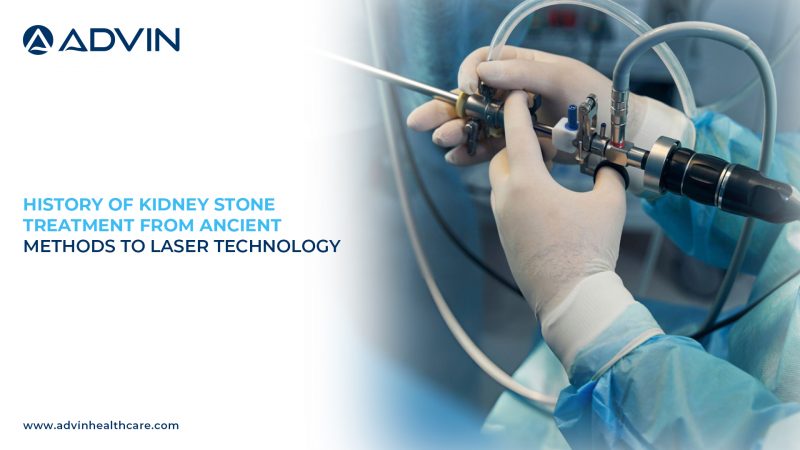
  • Percutaneous Nephrolithotomy (PCNL) for removing large kidney stones 
  • Ureteroscopy (URS) for accessing stones in the ureter 

These techniques significantly reduced the need for open surgery and improved patient outcomes.

Introduction of ESWL (Shock Wave Therapy)

One of the most revolutionary advancements was Extracorporeal Shock Wave Lithotripsy (ESWL). This non-invasive method uses shock waves to break kidney stones into smaller fragments that can pass naturally through the urinary tract.

ESWL eliminated the need for surgery in many cases and became widely adopted due to its effectiveness and patient comfort.

Modern Era: Laser Technology in Stone Treatment

Today, laser technology has transformed kidney stone management. The use of Holmium laser lithotripsy allows precise fragmentation of stones during procedures like URS and RIRS (Retrograde Intrarenal Surgery).

Key benefits of laser treatment include:

  • High precision and effectiveness 
  • Minimal tissue damage 
  • Faster recovery 
  • Ability to treat stones of various sizes and compositions 

Laser technology has become a cornerstone of modern urology.

Role of Medical Device Companies

The advancement of kidney stone treatment is closely linked to innovation in medical devices. Companies like Advin Health Care provide essential equipment such as ureteroscopes, PCNL sets, lithotripters, and laser systems.

Their contribution ensures that healthcare providers can offer safe, efficient, and advanced treatment options to patients worldwide.

Future of Kidney Stone Treatment

The future of kidney stone management is focused on:

  • Advanced laser systems with higher efficiency 
  • Robotic-assisted stone removal procedures 
  • AI-based diagnosis and treatment planning 
  • Improved non-invasive techniques 

These innovations aim to make treatment even more precise, comfortable, and accessible.

Conclusion

The history of kidney stone treatment is a remarkable journey from painful and risky procedures to advanced, minimally invasive solutions. From ancient lithotomy to modern laser technology, each stage has contributed to safer and more effective patient care.

History of Cystoscopy – From Early Innovation to Modern Diagnostics

Introduction

Cystoscopy is one of the most important diagnostic and therapeutic procedures in urology, allowing direct visualization of the urinary bladder and urethra. Over time, cystoscopy has evolved from a rudimentary concept into a highly advanced, minimally invasive technique. Its development has played a crucial role in improving the diagnosis and treatment of urinary tract disorders.

Early Beginnings of Cystoscopy

The concept of examining the bladder internally dates back to the early 19th century. Initially, physicians attempted to visualize the bladder using simple tubes and reflected light sources such as candles or mirrors.

These early attempts were limited by poor illumination and lack of clear visibility, making diagnosis difficult and unreliable.

Invention of the First Cystoscope

A major breakthrough came with the invention of the first practical cystoscope by Max Nitze in the late 19th century.

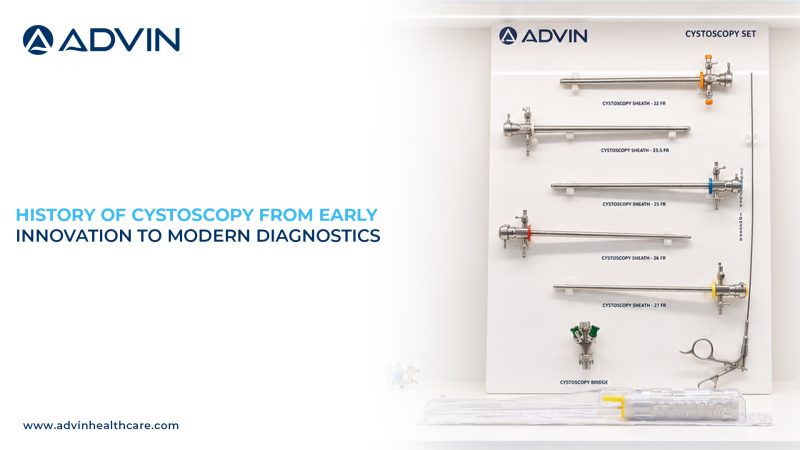
This instrument used a built-in light source and optical system, allowing doctors to directly view the interior of the bladder for the first time. It revolutionized urology by enabling accurate diagnosis of bladder diseases, tumors, and stones.

Advancements in the Early 20th Century

In the early 20th century, cystoscopy technology improved significantly with:

  • Better light sources (electric illumination) 
  • Improved lens systems for clearer visualization 
  • Enhanced instrument design for ease of use 

These advancements made cystoscopy more reliable and widely adopted in clinical practice.

Development of Rigid and Flexible Cystoscopy

As technology progressed, two main types of cystoscopes were developed:

  • Rigid Cystoscopes:
    Provided excellent image clarity and were widely used for surgical procedures. 
  • Flexible Cystoscopes:
    Introduced later, offering greater patient comfort and easier navigation within the urinary tract. 

Flexible cystoscopy became especially important for outpatient diagnostics and routine examinations.

Modern Cystoscopy Techniques

Today, cystoscopy is a highly advanced procedure supported by cutting-edge technology, including:

  • High-definition camera systems 
  • Fiber-optic and digital imaging 
  • Video cystoscopy for real-time visualization 
  • Integration with minimally invasive surgical tools 

Modern cystoscopy is used not only for diagnosis but also for therapeutic procedures such as biopsy, stone removal, and tumor treatment.

Role of Medical Device Companies

The advancement of cystoscopy has been driven by continuous innovation from medical device manufacturers like Advin Health Care.

These companies develop high-quality cystoscopy sets, endoscopic instruments, and imaging systems that ensure precision, safety, and efficiency in urological procedures.

Future of Cystoscopy

The future of cystoscopy is focused on further enhancing diagnostic accuracy and patient comfort. Key trends include:

  • AI-assisted imaging for early disease detection 
  • Disposable cystoscopes for improved hygiene 
  • Enhanced digital visualization systems 
  • Integration with robotic-assisted procedures 

These innovations aim to make cystoscopy even more efficient, safe, and patient-friendly.

Conclusion

The history of cystoscopy is a story of innovation and progress. From early attempts using basic light sources to today’s advanced digital systems, cystoscopy has become an essential tool in modern urology.

Growth of the Urology Division in the Global Healthcare Industry

Growth of the Urology Division

The urology division has become one of the fastest-growing segments in the global healthcare industry. Focused on the diagnosis and treatment of urinary tract and male reproductive system disorders, urology has evolved into a highly specialized and technology-driven field. With rising disease prevalence and continuous innovation, the demand for urology services and equipment is increasing worldwide.

Rising Prevalence of Urological Disorders

One of the key drivers of growth in the urology division is the increasing number of urological conditions, including:

  • Kidney stones 
  • Benign Prostatic Hyperplasia (BPH) 
  • Urinary tract infections (UTIs) 
  • Bladder and prostate cancers 

Lifestyle changes, aging populations, and dietary habits have contributed significantly to the rise in these conditions, creating a higher demand for effective diagnosis and treatment.

Technological Advancements Driving Growth

Technological innovation has played a major role in expanding the urology division. Modern advancements include:

  • Minimally invasive surgical techniques 
  • Laser-based treatments 
  • Robotic-assisted surgeries 
  • High-definition imaging and endoscopy systems 

These technologies have improved patient outcomes, reduced recovery time, and increased the efficiency of urological procedures, making them more accessible and widely adopted.

Shift Towards Minimally Invasive Procedures

The global healthcare industry is rapidly shifting from open surgeries to minimally invasive techniques. In urology, procedures such as:

  • Ureteroscopy (URS) 
  • Percutaneous Nephrolithotomy (PCNL) 
  • Transurethral Resection of the Prostate (TURP) 

have become standard practices. These procedures offer reduced pain, shorter hospital stays, and faster recovery, making them highly preferred by both patients and healthcare providers.

Expansion of the Medical Device Industry

The growth of the urology division is closely linked to the expansion of the medical device industry. Companies like Advin Health Care are playing a vital role by manufacturing and supplying advanced urology instruments and equipment globally.

From cystoscopy and ureteroscopy sets to laser machines and electrosurgical units, medical device manufacturers are continuously innovating to meet the increasing demand and improve procedural outcomes.

Global Market Growth and Opportunities

The global urology market is experiencing strong growth due to:

  • Increasing healthcare investments 
  • Rising awareness about urological health 
  • Growth in medical tourism 
  • Expansion in emerging markets 

Developing countries are becoming key growth regions, offering significant opportunities for manufacturers and suppliers of urology equipment.

Role of Hospitals and Healthcare Infrastructure

Hospitals and specialized urology centers are expanding their capabilities to meet growing patient demand. Investments in advanced equipment, skilled professionals, and digital healthcare systems are strengthening the urology division within healthcare institutions.

This expansion is improving access to quality care and supporting the overall growth of the industry.

Future Trends in the Urology Division

The future of the urology division is shaped by innovation and digital transformation. Key trends include:

  • Artificial Intelligence (AI) in diagnosis and treatment planning 
  • Robotic-assisted surgeries becoming more common 
  • Smart and connected medical devices 
  • Personalized treatment approaches 

These advancements will further enhance efficiency, accuracy, and patient satisfaction.

Conclusion

The growth of the urology division in the global healthcare industry reflects the increasing importance of specialized medical care and technological innovation. Driven by rising disease prevalence, advanced treatment options, and expanding healthcare infrastructure, urology continues to be a key focus area worldwide.


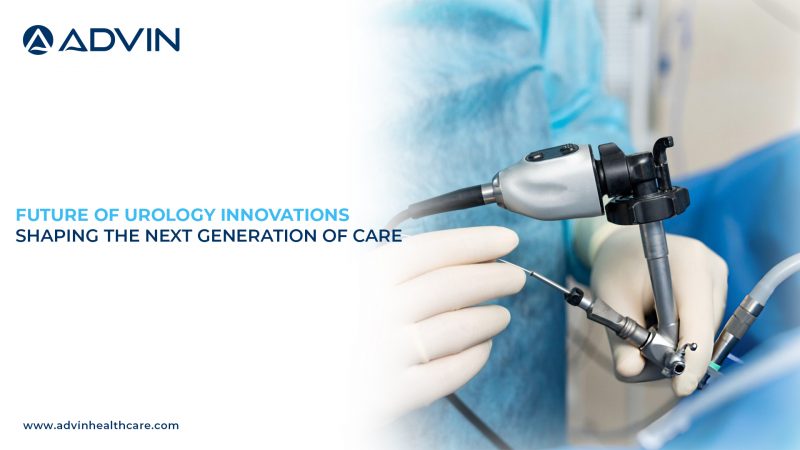
Future of Urology – Innovations Shaping the Next Generation of Care

Future of Urology

Urology is entering a new era driven by rapid technological advancements and evolving patient needs. From robotic-assisted surgeries to artificial intelligence (AI)-powered diagnostics, the future of urology is focused on precision, efficiency, and patient-centered care. These innovations are set to transform how urological diseases are diagnosed, treated, and managed worldwide.

Rise of Robotic-Assisted Surgery

Robotic technology is revolutionizing urological procedures by enabling surgeons to perform highly precise and minimally invasive operations. Systems like the da Vinci Surgical System allow for enhanced control, 3D visualization, and improved accuracy.

Robotic-assisted surgeries are increasingly used in prostate, kidney, and bladder procedures, offering benefits such as reduced blood loss, shorter hospital stays, and faster recovery.

Artificial Intelligence in Urology

Artificial Intelligence (AI) is playing a growing role in urology by improving diagnostic accuracy and treatment planning. AI algorithms can analyze medical images, detect abnormalities, and assist in early diagnosis of conditions like prostate cancer and kidney stones.

AI also supports predictive analytics, helping doctors make data-driven decisions and personalize treatment plans for better outcomes.

Advancements in Laser Technology

Laser technology continues to evolve, becoming more efficient and versatile in urological treatments. Advanced laser systems are now used for:

  • Kidney stone fragmentation 
  • Prostate tissue removal 
  • Tumor ablation 

These systems offer high precision, minimal tissue damage, and faster recovery, making them a key component of future urology care.

Smart and Connected Medical Devices

The integration of smart technology into medical devices is transforming urology. Connected devices can:

  • Monitor patient health in real-time 
  • Provide data for remote diagnosis 
  • Improve surgical planning and outcomes 

Digital health platforms and IoT-enabled devices are expected to enhance patient monitoring and follow-up care.

Shift Toward Minimally and Non-Invasive Treatments

Future urology is moving toward treatments that minimize patient discomfort and recovery time. Innovations include:

  • Advanced endoscopic procedures 
  • Non-invasive therapies like improved shock wave lithotripsy 
  • Day-care surgeries with faster discharge 

These approaches aim to improve patient experience while maintaining high treatment effectiveness.

Personalized and Precision Medicine

Personalized medicine is becoming a major focus in urology. By using genetic data, biomarkers, and patient-specific information, doctors can tailor treatments to individual needs.

This approach improves treatment success rates and reduces the risk of complications, marking a significant shift from traditional one-size-fits-all methods.

Role of Medical Device Companies

Innovation in urology is strongly supported by medical device manufacturers such as Advin Health Care.

These companies are continuously developing advanced instruments, imaging systems, and surgical technologies that enable healthcare providers to deliver next-generation care.

Future Trends to Watch

Key trends shaping the future of urology include:

  • Expansion of robotic surgery worldwide 
  • AI-driven diagnostics and automation 
  • Miniaturization of surgical instruments 
  • Increased use of disposable and eco-friendly devices 
  • Integration of augmented reality (AR) in surgical training 

Conclusion

The future of urology is defined by innovation, precision, and patient-centric care. With advancements in robotics, AI, laser technology, and smart devices, urology is set to become more efficient and minimally invasive than ever before.

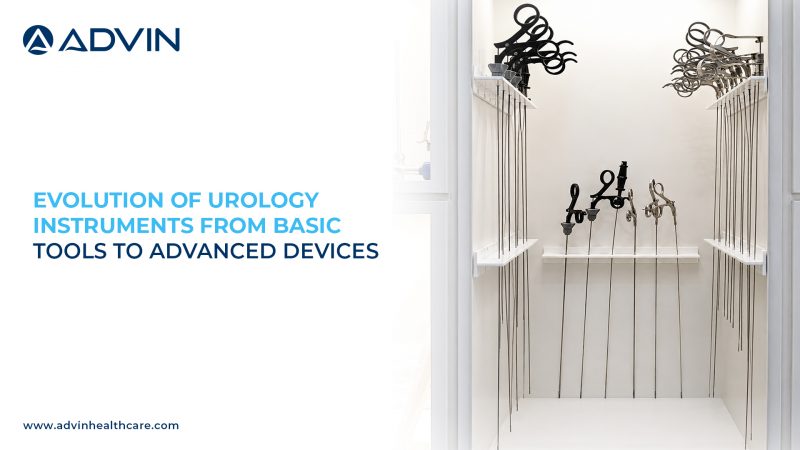
Evolution of Urology Instruments – From Basic Tools to Advanced Devices

Evolution of Urology Instruments

The evolution of urology instruments reflects the remarkable progress of medical science over centuries. From crude, handcrafted tools used in ancient times to today’s highly sophisticated and technology-driven devices, urology instruments have significantly improved the way urinary and reproductive system disorders are diagnosed and treated. This transformation has enhanced surgical precision, reduced patient risk, and improved overall healthcare outcomes.

Early Urology Instruments (Ancient Era)

In ancient civilizations such as Egypt, India, and Greece, urology instruments were extremely basic. The most common procedure was lithotomy, performed to remove bladder stones using simple metal tools.

These instruments lacked precision and were used without anesthesia or sterilization, making procedures highly risky and painful. Despite these limitations, they laid the foundation for surgical practices in urology.

Medieval to Renaissance Advancements

During the medieval and Renaissance periods, there was gradual progress in the design and use of urology instruments. Early forms of catheters were introduced to relieve urinary retention, marking a key step in non-surgical management.

Surgeons began developing more specialized tools for bladder exploration and treatment. Although still primitive, these innovations contributed to a better understanding of urinary system disorders.

Breakthrough with Endoscopic Instruments (19th Century)

The 19th century marked a revolutionary phase with the invention of the cystoscope, which allowed physicians to visually examine the bladder internally for the first time.

This innovation introduced the concept of endoscopy in urology. Improvements in light sources and optics further enhanced visualization, enabling more accurate diagnosis and less invasive procedures.

20th Century: Rise of Specialized Instruments

The 20th century brought rapid advancements and the development of highly specialized urology instruments, including:

  • Resectoscopes for procedures like TURP 
  • Ureteroscopes for ureteral examination 
  • Nephroscopes for kidney access 

These instruments allowed surgeons to perform complex procedures with greater control and precision. The integration of imaging technologies further improved diagnostic and surgical capabilities.

Modern Urology Instruments (21st Century)

Today, urology instruments are advanced, precise, and technology-driven. Key innovations include:

  • Flexible endoscopes with high-definition imaging 
  • Laser systems for stone treatment and tissue management 
  • Robotic-assisted surgical instruments for enhanced precision 
  • Disposable instruments for improved hygiene and infection control 

These advancements have significantly reduced recovery time, minimized complications, and improved patient comfort.

Role of Medical Device Companies

The growth of modern urology instruments is strongly supported by medical device manufacturers such as Advin Health Care.

These companies focus on developing high-quality, reliable, and innovative products like cystoscopy sets, ureteroscopy instruments, and TURP equipment. Their contribution ensures that healthcare providers have access to advanced tools required for modern urological procedures.

Future of Urology Instruments

The future of urology instruments is centered on innovation and smart technology. Key trends include:

  • Artificial Intelligence (AI)-assisted surgical tools 
  • Robotic precision systems 
  • Miniaturized and less invasive instruments 
  • Integration of digital and smart technologies 

These advancements aim to make urological procedures more efficient, accurate, and patient-friendly.

Conclusion

The journey of urology instruments from basic tools to advanced devices highlights the incredible evolution of medical technology. What once involved high-risk procedures with limited resources has now become a field defined by precision, safety, and innovation.

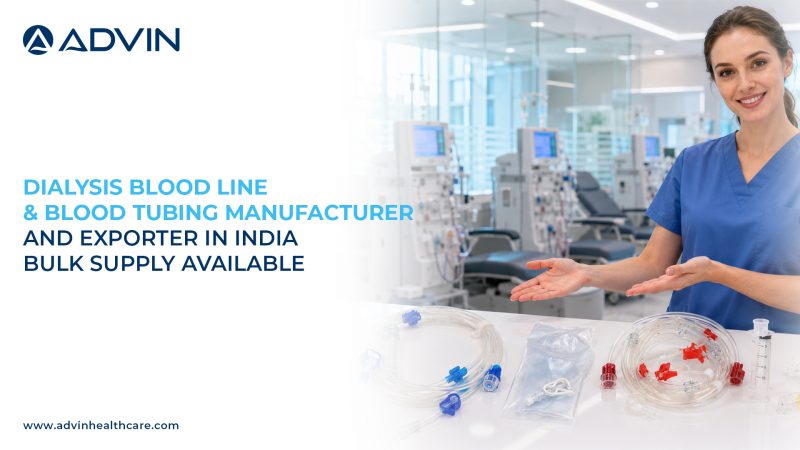
Dialysis Blood Line & Blood Tubing Manufacturer and Exporter in India – Bulk Supply Available

Dialysis treatment requires high-precision medical consumables, and dialysis blood line & blood tubing sets are among the most essential components. These products ensure safe and efficient blood circulation between the patient and the dialysis machine.

Advin Healthcare is a trusted Dialysis Blood Line & Blood Tubing Manufacturer and Exporter in India, delivering high-quality products for hospitals, dialysis centers, and global distributors with reliable bulk supply.

What Are Dialysis Blood Lines & Blood Tubing?

Dialysis blood lines are sterile, disposable tubing systems used during hemodialysis procedures. They connect the patient to the dialysis machine and maintain continuous blood flow.

A standard blood tubing set includes:

  • Arterial Blood Line – transfers blood from the patient to the dialyzer
  • Venous Blood Line – returns purified blood back to the patient
  • Components like drip chambers, clamps, connectors, and injection ports

These systems ensure maximum safety, flexibility, and leak-proof performance.

Key Features of High-Quality Dialysis Blood Tubing

Medical Grade Material

Manufactured using non-toxic, DEHP-free PVC for high biocompatibility.

Sterility & Safety

  • EO sterilized
  • Pyrogen-free
  • Single-use disposable

Machine Compatibility

Compatible with Fresenius, B Braun, Nipro, and other major machines.

Smooth Blood Flow

  • Low resistance
  • Consistent circulation
  • Reduced clotting risk

Custom Manufacturing

Available in multiple sizes and configurations.

Types of Dialysis Blood Line Sets
  • Standard AV Blood Line Set
  • Pediatric Blood Tubing
  • High-Flux Blood Lines
  • Customized Blood Tubing Circuits
Why Choose Advin Healthcare?
  • ISO & CE certified manufacturing
  • Bulk production capability
  • Consistent quality control
  • Global export supply
  • Competitive pricing
Applications
  • Hospitals
  • Dialysis centers
  • Emergency units
  • Home dialysis
Conclusion

Dialysis blood tubing plays a critical role in treatment safety and efficiency. Choosing a reliable manufacturer ensures consistent quality and uninterrupted supply.

Advin Healthcare stands as a leading Dialysis Blood Line & Blood Tubing Exporter in India, offering trusted solutions for global healthcare needs.

Hemodialysis Catheter Manufacturer & Exporter in India – Short Term & Long Term Catheter

Hemodialysis catheters are essential vascular access devices used in dialysis procedures when immediate or long-term access to the bloodstream is required. The quality, design, and reliability of these catheters directly impact treatment efficiency and patient safety. Hospitals and global buyers depend on manufacturers that deliver precision-engineered solutions with consistent performance. In this segment, Advin Healthcare has established itself as a trusted hemodialysis catheter manufacturer and exporter in India.

With a focus on advanced design, material quality, and clinical performance, Advin Healthcare offers a comprehensive range of short-term and long-term catheter solutions.

Importance of Hemodialysis Catheters in Clinical Use

Hemodialysis catheters are used when arteriovenous fistulas or grafts are not available or suitable. These devices enable efficient blood flow during dialysis, making their performance critical.

Key requirements include:

  • Stable blood flow rates
  • Biocompatible materials
  • Reduced risk of infection
  • Reliable insertion and placement

High-quality catheters support safe and effective dialysis procedures.

Short-Term vs Long-Term Catheter Solutions

Different clinical conditions require different catheter types. Manufacturers must offer both short-term and long-term solutions to meet diverse medical needs.

Short-term catheters:

  • Used for emergency or temporary dialysis access
  • Typically placed for a shorter duration
  • Designed for immediate use

Long-term catheters:

  • Designed for extended use
  • Often used in chronic dialysis patients
  • Require enhanced durability and stability

Advin Healthcare provides both types, ensuring flexibility for healthcare providers.

Single, Double, and Triple Lumen Catheters

Hemodialysis catheters are available in multiple lumen configurations, each designed for specific clinical requirements.

Single lumen catheters:

  • Used for limited or specific applications
  • Simple design with focused functionality

Double lumen catheters:

  • Most commonly used in hemodialysis
  • Allow simultaneous blood withdrawal and return
  • Support efficient dialysis flow

Triple lumen catheters:

  • Provide additional access for medication or fluid administration
  • Suitable for complex clinical scenarios
  • Enhance multifunctional usage

Advin Healthcare manufactures a complete range of lumen configurations to support varied medical needs.

Material Quality and Biocompatibility

The material used in catheter manufacturing plays a crucial role in patient safety and device performance. Biocompatible materials reduce the risk of complications and improve overall treatment outcomes.

Advin Healthcare focuses on:

  • Medical-grade materials
  • Smooth surface design to reduce friction
  • Resistance to kinking and damage
  • Enhanced patient comfort

These features ensure safe and reliable clinical use.

Precision Manufacturing and Design

Hemodialysis catheters require precision engineering to ensure consistent performance. Even minor design flaws can impact functionality.

Manufacturing strengths include:

  • Controlled production processes
  • Advanced design techniques
  • Strict dimensional accuracy
  • Multi-stage quality inspection

Advin Healthcare ensures each catheter meets defined performance standards.

Sterilization and Safety Standards

Sterility is critical for vascular access devices. Proper sterilization helps prevent infections and ensures safe usage.

Key safety practices include:

  • Sterile manufacturing environments
  • Secure packaging systems
  • Quality testing before distribution
  • Compliance with medical safety standards

Advin Healthcare maintains strict sterilization protocols for all catheter products.

Export Capabilities and Global Supply

As a leading exporter, Advin Healthcare supplies hemodialysis catheters to international markets with consistent quality and reliability.

Export strengths include:

  • Bulk production capacity
  • International packaging standards
  • Reliable shipment processes
  • Experience in global markets

This ensures smooth supply for distributors and healthcare providers worldwide.

Reliable Supply for Hospitals and Distributors

Hospitals require uninterrupted access to catheter products for continuous patient care. Supply reliability is a key factor in choosing a manufacturer.

Advin Healthcare supports this through:

  • Efficient inventory management
  • Timely order fulfillment
  • Scalable production capacity
  • Strong distribution network

This ensures consistent availability of products.

Supporting Advanced Dialysis Care

High-quality hemodialysis catheters contribute to improved clinical outcomes by ensuring stable blood flow and reducing complications. Advin Healthcare designs its catheter range to meet the evolving needs of modern dialysis care.

A Trusted Manufacturer and Exporter in India

Selecting the right hemodialysis catheter manufacturer is essential for ensuring patient safety and treatment efficiency. Advin Healthcare combines product innovation, manufacturing strength, and export expertise to deliver reliable catheter solutions.

With a comprehensive range including short-term, long-term, single, double, and triple lumen catheters, Advin Healthcare continues to be a preferred choice for hospitals and global buyers.

High-Quality Dialysis Concentrate Part A Manufacturer in India for Medical Use

Dialysis concentrate plays a critical role in the effectiveness of hemodialysis procedures, directly influencing patient safety and treatment outcomes. Among its components, Part A concentrate is essential for maintaining the correct chemical balance required during dialysis. Hospitals and healthcare providers must rely on manufacturers that ensure accuracy, consistency, and safety in every batch. In this segment, Advin Healthcare has established itself as a trusted manufacturer of high-quality Dialysis Concentrate Part A in India.

With a focus on precision manufacturing and strict quality control, Advin Healthcare supports medical facilities with reliable dialysis solutions designed for clinical use.

Role of Dialysis Concentrate Part A in Hemodialysis

Dialysis Concentrate Part A is a key component used in the preparation of dialysate solution. It contains essential electrolytes that help remove toxins and maintain fluid balance in patients undergoing dialysis.

The effectiveness of treatment depends on:

  • Accurate chemical composition
  • Stability of the solution
  • Compatibility with dialysis machines
  • Consistent performance during procedures

Any variation in composition can impact patient outcomes, making quality manufacturing essential.

Precision in Formulation and Composition

Manufacturing Dialysis Concentrate Part A requires strict adherence to defined chemical formulations. Even minor inconsistencies can lead to significant clinical risks.

Advin Healthcare ensures:

  • Controlled formulation processes
  • Accurate measurement of components
  • Consistent batch-to-batch composition
  • Strict monitoring during production

This level of precision supports safe and effective dialysis treatment.

High Standards of Manufacturing Quality

Quality assurance is a critical aspect of dialysis concentrate production. Advin Healthcare follows structured manufacturing practices to maintain high product standards.

Key quality practices include:

  • Use of medical-grade raw materials
  • Controlled production environments
  • Multi-stage quality checks
  • Standardized operating procedures

These processes help ensure that each batch meets clinical requirements.

Stability and Shelf Life Considerations

Dialysis concentrates must maintain their chemical integrity throughout storage and use. Stability is essential to ensure that the solution performs as expected during dialysis procedures.

Important factors include:

  • Proper formulation balance
  • Controlled storage conditions
  • Reliable packaging solutions
  • Consistent shelf life across batches

Advin Healthcare focuses on maintaining product stability through careful manufacturing and packaging.

Compatibility with Dialysis Systems

Hospitals use a variety of dialysis machines, making compatibility a key requirement. Dialysis Concentrate Part A must integrate seamlessly with different systems to avoid operational issues.

Advin Healthcare ensures:

  • Compatibility with standard dialysis equipment
  • Consistent concentration levels
  • Ease of handling and usage
  • Reliable performance in clinical settings

This simplifies operations for healthcare providers.

Packaging and Safety Standards

Safe handling and contamination prevention are essential for dialysis concentrates. Packaging plays a major role in maintaining product integrity.

Key packaging features include:

  • Leak-proof containers
  • Secure sealing systems
  • Clear labeling and identification
  • Protection against contamination

Advin Healthcare maintains strict packaging standards to support safe usage.

Supply Reliability for Medical Use

Healthcare facilities require uninterrupted access to dialysis concentrates. Delays or shortages can directly impact patient care.

Advin Healthcare supports consistent supply through:

  • Scalable production capacity
  • Efficient inventory management
  • Timely order processing
  • Reliable distribution systems

This ensures availability for hospitals and bulk buyers.

Supporting Clinical Efficiency

Reliable dialysis concentrates contribute to smoother clinical operations. Consistent quality reduces the risk of treatment interruptions and improves overall efficiency.

Advin Healthcare products are designed to:

  • Maintain stable dialysis performance
  • Reduce variability in treatment outcomes
  • Support healthcare professionals in routine procedures
  • Ensure dependable usage across clinical environments
A Trusted Manufacturer for Medical-Grade Dialysis Solutions

Selecting the right manufacturer for Dialysis Concentrate Part A is essential for ensuring safety and consistency in dialysis treatments. Advin Healthcare combines precision manufacturing, quality assurance, and reliable supply to meet the needs of healthcare providers.

With a strong focus on clinical performance and manufacturing excellence, Advin Healthcare continues to be a preferred choice for high-quality Dialysis Concentrate Part A in India.