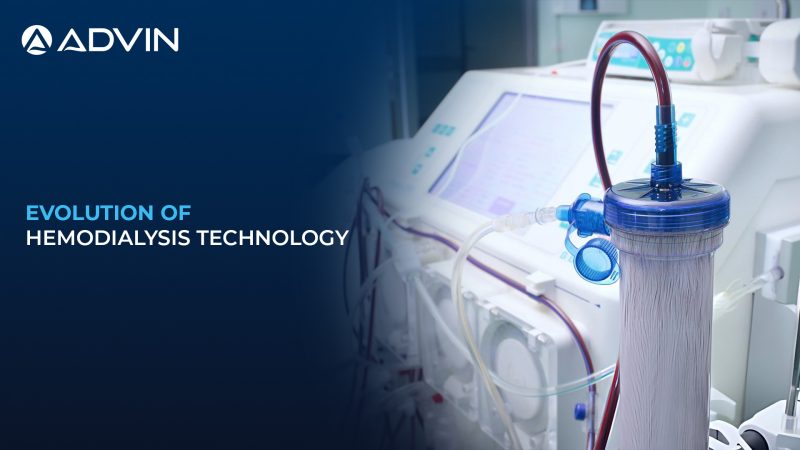
The History of Dialysis – Evolution of Hemodialysis Technology

Dialysis stands among the most important medical advancements in the treatment of kidney failure. It is a life-sustaining therapy designed to remove waste products, toxins, and excess fluids from the blood when the kidneys lose their ability to function properly. Today, millions of patients across the world depend on dialysis to maintain health and improve quality of life. The journey from scientific discovery to advanced modern dialysis technology reflects decades of innovation, research, and medical progress.

The Beginning of Dialysis Science

The foundation of dialysis was established in 1854 by Scottish scientist Thomas Graham, often recognized as the “Father of Dialysis Chemistry.” Graham discovered that certain substances could pass through a semipermeable membrane while others could not. He introduced the concept of diffusion and separation through membranes, which later became the scientific basis of dialysis treatment.

Although his work was purely experimental at the time, it created the fundamental principles used in modern blood purification technologies.

Early Experimental Development

A major milestone occurred in 1913, when researchers John Abel, Leonard Rowntree, and B.B. Turner performed the first dialysis experiments on animals. Their work demonstrated that waste products could be removed artificially from the bloodstream.

These early experiments introduced the concept of extracorporeal blood purification, meaning blood could be circulated outside the body, filtered, and returned safely. While not yet practical for patient treatment, this research laid the groundwork for future clinical applications.

The First Practical Dialysis Machine

The most significant breakthrough came during World War II.

In 1943, Dutch physician Dr. Willem Johan Kolff developed the first practical dialysis machine using simple materials available during wartime conditions. His rotating drum artificial kidney represented the first successful attempt to treat patients suffering from kidney failure.

In 1945, Dr. Kolff successfully treated a patient with acute kidney failure using his machine, proving that dialysis could save lives. Because of this achievement, Dr. Kolff became widely known as the “Father of Dialysis.”

His invention marked the beginning of modern kidney replacement therapy.

Long-Term Dialysis and the Scribner Shunt

Although dialysis had become possible, repeated treatment remained difficult because reliable long-term vascular access did not exist.

This challenge was solved in 1960 when Dr. Belding Scribner introduced the Scribner Shunt, a revolutionary device that enabled repeated access to a patient’s bloodstream.

The Scribner Shunt transformed dialysis from an emergency treatment into a sustainable long-term therapy for patients with chronic kidney disease and end-stage renal disease (ESRD).

This innovation changed kidney care worldwide and greatly expanded access to life-saving treatment.

Advancements in Dialysis Technology During the 1970s

The 1970s brought rapid improvements in dialysis equipment and treatment methods.

One of the most important developments was the introduction of hollow fiber dialyzers, which increased filtration efficiency and improved treatment performance.

Another major advancement was Continuous Ambulatory Peritoneal Dialysis (CAPD), which offered patients an alternative to in-center hemodialysis and allowed treatment to be performed at home.

These developments improved patient independence, increased treatment availability, and enhanced overall dialysis outcomes.

Modern Hemodialysis Technology

Today’s hemodialysis systems are highly advanced and designed to maximize efficiency, safety, and patient comfort.

Modern dialysis technology includes:

  • Smart monitoring systems
  • Automated treatment controls
  • High-performance dialyzers
  • Advanced fluid management systems
  • Online Hemodiafiltration (HDF)
  • Digital treatment tracking and data analysis
  • Improved water purification through Reverse Osmosis (RO) systems

These innovations allow more personalized treatment and improved patient care.

India has also emerged as an important contributor to the dialysis industry through the manufacturing of dialysis consumables, medical devices, and advanced treatment equipment.

The Future of Dialysis

The future of dialysis is focused on making treatment more portable, efficient, and patient-friendly.

Emerging technologies include:

  • Portable dialysis systems
  • Wearable artificial kidneys
  • AI-assisted dialysis monitoring
  • Remote patient management
  • Implantable kidney support devices

Researchers continue to work toward reducing treatment burden and improving long-term patient outcomes.

From Discovery to the Future of Kidney Care

The history of dialysis represents a remarkable journey of scientific discovery and medical innovation. From Thomas Graham’s early membrane research to today’s intelligent dialysis systems, each advancement has improved the lives of patients living with kidney disease. As technology continues to evolve, the future of dialysis promises safer, smarter, and more accessible kidney care for millions of people worldwide.

New Technology in Hemodialysis – Transforming the Future of Kidney Care

Hemodialysis has undergone remarkable technological advancement over the past decade, changing the way patients with kidney failure receive treatment. Modern innovations are focused not only on improving dialysis performance but also on enhancing patient comfort, reducing complications, and creating more flexible treatment options. Today’s hemodialysis systems combine intelligent automation, advanced filtration technologies, and digital monitoring to deliver safer and more effective kidney care.

Evolution of Modern Hemodialysis

Traditional hemodialysis was primarily designed to remove waste products and excess fluid from the blood. While effective, earlier systems required extensive manual monitoring and offered limited personalization. New-generation dialysis technology has introduced automated processes and precision-based treatment approaches that adapt to individual patient needs.

Modern dialysis machines are equipped with smart sensors and digital interfaces that continuously monitor blood flow, pressure levels, fluid balance, and treatment performance in real time. These systems help healthcare professionals make faster adjustments and improve overall treatment consistency.

Online Hemodiafiltration (HDF): A Major Breakthrough

One of the most significant developments in dialysis technology is Online Hemodiafiltration (HDF). This advanced therapy combines diffusion and convection methods to improve the removal of both small and larger molecular toxins from the bloodstream.

Compared to conventional hemodialysis, Online HDF offers several clinical advantages:

  • Enhanced removal of middle and large molecular waste products
  • Improved cardiovascular stability during treatment
  • Better fluid management and blood purification
  • Reduced treatment-related discomfort
  • Potential improvement in long-term patient outcomes

Online HDF is increasingly being adopted in modern dialysis centers due to its ability to provide more efficient and comprehensive blood purification.

High-Flux Dialyzers and Advanced Membrane Technology

Dialyzer technology has also evolved significantly. High-flux dialyzers are designed with advanced membrane structures that allow more efficient toxin removal while maintaining safe filtration performance.

Modern biocompatible membranes provide several benefits:

  • Reduced inflammatory response during treatment
  • Improved compatibility with blood components
  • Enhanced clearance of larger waste molecules
  • Better patient tolerance during long-term dialysis

These improvements contribute to greater treatment effectiveness and support improved patient comfort.

Smart Monitoring and Automation in Dialysis Machines

Artificial intelligence and automated monitoring systems are becoming increasingly important in modern hemodialysis equipment.

Current dialysis platforms can monitor:

  • Blood pressure and circulation patterns
  • Fluid removal accuracy
  • Dialysis dose delivery
  • Temperature control
  • Treatment alarms and safety indicators

Advanced software systems can analyze treatment data in real time and help clinicians optimize therapy settings. Predictive monitoring may also assist in identifying complications before symptoms become severe.

Portable and Home Hemodialysis Solutions

One of the most patient-focused innovations is the development of portable and home hemodialysis systems. These technologies allow patients to perform treatment outside traditional dialysis centers under guided medical supervision.

Benefits of home and portable dialysis include:

  • Greater scheduling flexibility
  • Increased independence for patients
  • Reduced travel burden
  • Improved lifestyle integration
  • Potential for more frequent and personalized treatment sessions

This shift supports a more convenient and patient-centered approach to kidney care.

Advanced Water Purification and Safety Systems

Water quality remains one of the most critical factors in successful dialysis treatment. Modern dialysis facilities now utilize highly advanced water purification systems.

Today’s dialysis water systems commonly integrate:

  • Sediment filtration
  • Carbon filtration
  • Water softening technology
  • Reverse Osmosis (RO) purification
  • Endotoxin filtration systems

These technologies help eliminate contaminants, reduce bacterial risk, and ensure ultra-pure water quality essential for safe hemodialysis procedures.

The Future of Hemodialysis

The future of kidney care is moving toward intelligent, portable, and highly personalized solutions. Researchers and medical device manufacturers are actively developing next-generation technologies such as wearable artificial kidneys, AI-assisted dialysis monitoring, remote patient management, and implantable kidney support systems.

These innovations aim to reduce treatment burden, improve clinical outcomes, and bring patients closer to a normal and independent lifestyle.

Advancing Toward Smarter and More Patient-Centered Hemodialysis

New technology in hemodialysis is redefining kidney treatment through smarter machines, advanced filtration methods, improved water purification, and greater patient mobility. As innovation continues, dialysis is becoming more efficient, comfortable, and personalized. The next generation of kidney care promises not only better treatment performance but also an improved quality of life for millions of patients worldwide.

From Manufacturer to Market Leader: Advin Health Care’s Journey in Dialysis Excellence

The global burden of chronic kidney disease (CKD) continues to rise at an alarming rate, with millions of patients depending on hemodialysis as a life-sustaining therapy. As healthcare systems evolve to meet this growing demand, the importance of reliable, high-quality dialysis consumables has never been greater.

Behind every successful dialysis treatment lies a complex supply chain powered by specialized manufacturers. These manufacturers are not just suppliers—they are strategic partners enabling hospitals, distributors, and healthcare brands to deliver safe, effective, and scalable dialysis care.

In this rapidly expanding ecosystem, companies like Advin Health Care are emerging as trusted OEM partners, redefining industry standards through quality manufacturing, global compliance, and operational excellence.


The Growing Demand for Dialysis Consumables

Chronic kidney disease is now recognized as a major global health challenge. Factors such as diabetes, hypertension, aging populations, and lifestyle changes have significantly increased the number of patients requiring dialysis.

This surge has created a massive demand for:

  • Hemodialysis bloodlines
  • Dialyzers
  • AV fistula needles
  • Catheters
  • Fluid management systems

Healthcare providers are under pressure to ensure uninterrupted supply while maintaining strict quality standards. This is where experienced OEM manufacturers play a critical role.


What Defines an Industry-Leading Dialysis Manufacturer?

Not all manufacturers are created equal. Industry leaders distinguish themselves through a combination of technical expertise, regulatory compliance, scalability, and innovation.

1. Advanced Manufacturing Capabilities

Top-tier manufacturers operate state-of-the-art production facilities equipped with:

  • Automated assembly lines
  • Cleanroom environments
  • Precision molding and extrusion technologies
  • Sterilization systems (ETO, Gamma)

These capabilities ensure consistent product quality at scale.

Companies like Advin Health Care have invested heavily in modern infrastructure, enabling them to deliver high-volume production without compromising on precision or safety.


2. Global Certifications and Compliance

In the medical device industry, compliance is non-negotiable. Leading manufacturers adhere to international standards such as:

  • ISO 13485 (Medical Devices Quality Management)
  • CE Certification (European Market)
  • FDA Registration (USA Market readiness)

Such certifications demonstrate a commitment to quality, traceability, and patient safety.

Advin Health Care aligns its manufacturing processes with global regulatory frameworks, making it a reliable partner for international markets.


3. OEM & Private Label Expertise

One of the defining characteristics of industry leaders is their ability to act as OEM partners. This includes:

  • Custom product development
  • Private labeling solutions
  • Flexible packaging options
  • Brand-specific compliance support

For distributors and healthcare brands, OEM partnerships eliminate the need for in-house manufacturing, allowing them to focus on market expansion.

Advin Health Care has built a strong reputation as a trusted OEM partner, supporting global clients with tailored dialysis consumables solutions.


4. Strong Supply Chain & Scalability

In dialysis care, delays are not an option. Manufacturers must ensure:

  • Consistent raw material sourcing
  • Robust inventory management
  • Efficient logistics networks
  • Rapid production scaling

Leading manufacturers have the operational strength to fulfill large international orders while maintaining delivery timelines.

With an expanding global footprint and efficient production systems, Advin Health Care is capable of supporting high-demand markets across multiple regions.


Innovation in Hemodialysis Products

Innovation is driving the next phase of growth in the dialysis industry. Manufacturers are continuously improving product design to enhance patient comfort, safety, and treatment efficiency.

Key Innovations Include:

  • Kink-resistant bloodlines for uninterrupted flow
  • Biocompatible materials to reduce adverse reactions
  • Ergonomic designs for easier clinical handling
  • Enhanced sterilization techniques for improved safety

Advin Health Care focuses on continuous product improvement, ensuring that its dialysis consumables meet evolving clinical requirements.


The Role of OEM Manufacturers in Global Healthcare Expansion

Healthcare brands and distributors increasingly rely on OEM manufacturers to scale their operations globally. Instead of investing in manufacturing infrastructure, they partner with experienced companies that can deliver:

  • High-quality products
  • Regulatory support
  • Cost efficiency
  • Faster market entry

This model has become especially important in emerging markets where demand for dialysis is growing rapidly.

Advin Health Care plays a key role in this ecosystem by enabling partners to expand their product portfolios under their own brand identity while maintaining global quality standards.


Economic Impact and Market Positioning

The dialysis consumables market is a multi-billion-dollar industry, with steady annual growth driven by increasing patient volumes and technological advancements.

Established manufacturers are now achieving significant revenue milestones, with many crossing $10 million+ annual revenue in dialysis-related product segments alone.

This level of scale reflects:

  • Strong global demand
  • Efficient manufacturing systems
  • Trusted partnerships with healthcare providers

Advin Health Care is positioned within this growth trajectory, leveraging its manufacturing strength and OEM capabilities to compete with global players.


Why Quality Matters More Than Ever

In dialysis treatment, even minor product inconsistencies can lead to serious complications. This makes quality assurance a top priority for manufacturers.

Industry leaders implement:

  • Multi-stage quality checks
  • Batch traceability systems
  • Sterility validation processes
  • Continuous monitoring and audits

Advin Health Care emphasizes strict quality control at every stage of production, ensuring that each product meets international safety standards.


Sustainability and Ethical Manufacturing

Modern healthcare manufacturing is also shifting toward sustainability and ethical practices.

Key focus areas include:

  • Eco-friendly packaging
  • Waste reduction in manufacturing
  • Energy-efficient production processes
  • Ethical sourcing of raw materials

Forward-thinking companies are integrating these practices into their operations to align with global environmental goals.

Advin Health Care is actively working toward responsible manufacturing practices, balancing growth with sustainability.


Challenges in the Dialysis Manufacturing Industry

Despite its growth, the industry faces several challenges:

  • Regulatory complexities across different countries
  • Rising raw material costs
  • Supply chain disruptions
  • Increasing competition

Only well-structured manufacturers with strong operational frameworks can navigate these challenges effectively.

Advin Health Care addresses these challenges through strategic planning, efficient sourcing, and continuous process optimization.


The Future of Hemodialysis Manufacturing

The future of dialysis manufacturing will be shaped by:

  • Automation and smart manufacturing
  • AI-driven quality control systems
  • Advanced biomaterials
  • Increased global collaborations

Manufacturers who invest in technology and innovation will lead the next phase of industry growth.

Advin Health Care is continuously evolving to stay ahead of industry trends, positioning itself as a future-ready OEM partner.


Driving the Future of Dialysis Through Trusted Manufacturing Leadership

The hemodialysis industry is entering a new era defined by scale, innovation, and global collaboration. As demand continues to rise, the role of reliable manufacturing partners becomes increasingly critical.

Industry-leading companies are not just producing medical devices—they are enabling healthcare systems to function efficiently and save lives.

With its strong manufacturing capabilities, global compliance standards, OEM expertise, and growing market presence, Advin Health Care stands out as a trusted partner in the dialysis consumables space.

For healthcare brands, distributors, and institutions looking to scale with confidence, partnering with an experienced manufacturer like Advin Health Care is not just a choice—it’s a strategic advantage.

Advin : Dialysis Consumables Manufacturer & Trusted OEM Partner For High-Quality Hemodialysis Products

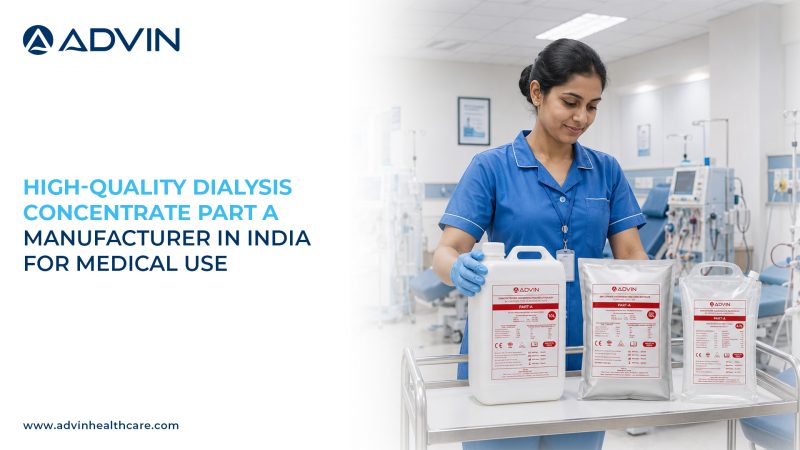
Dialysis is a critical medical procedure used to remove waste, toxins, and excess fluids from the blood when the kidneys are no longer able to function effectively. While dialysis machines play a role, the real backbone of every successful dialysis procedure is high-quality consumables and disposables.

At Advin Health Care, we specialize in manufacturing and supplying premium dialysis consumables for global markets, helping hospitals, dialysis centers, and distributors maintain the highest standards of patient care.


What Are Dialysis Consumables?

Dialysis consumables are single-use sterile medical products used during hemodialysis procedures to ensure safe blood circulation, filtration, and infection control.

These products are essential for:

  • Maintaining sterile conditions
  • Ensuring smooth blood flow
  • Supporting efficient toxin removal
  • Reducing risk of complications

Our Dialysis Product Range

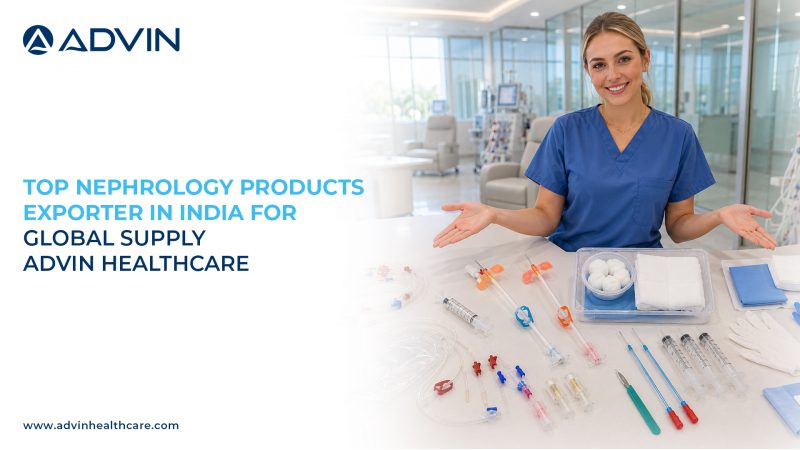
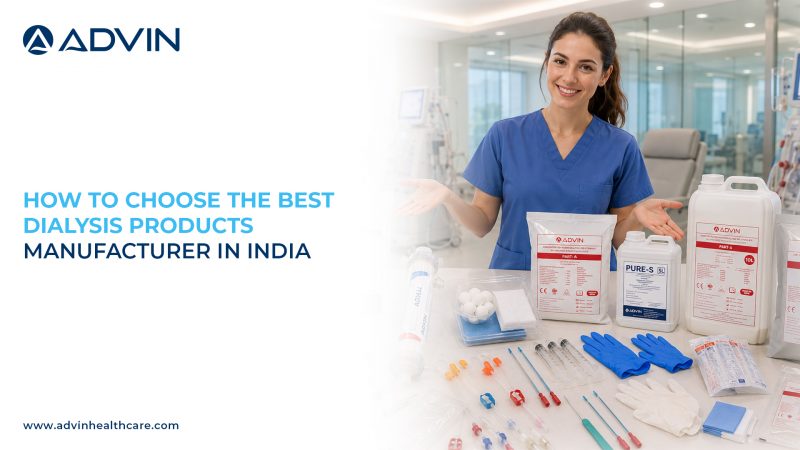
At Advin Health Care, we offer a comprehensive range of dialysis disposables designed for reliability, safety, and global compliance.

Hemodialysis Catheters & Catheter Kits

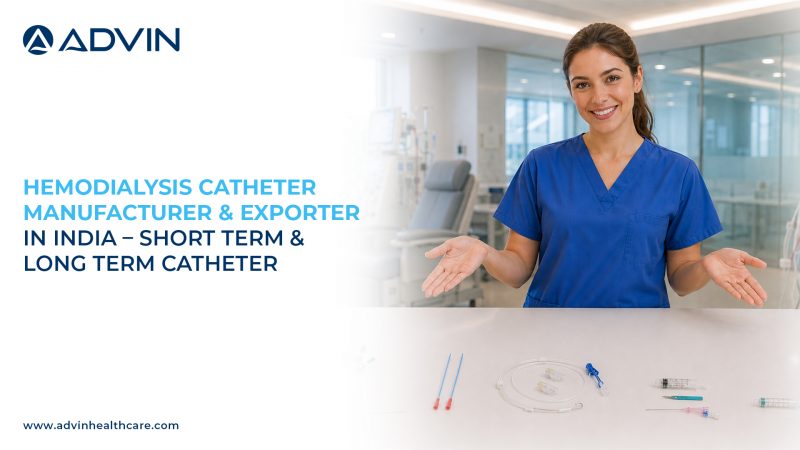
We manufacture high-quality short-term and long-term dialysis catheters with precise design for safe and efficient vascular access. Our catheter kits are designed for ease of use in critical care environments.


AV Fistula Needles

Our AV fistula needles are engineered for smooth penetration and optimal blood flow, minimizing patient discomfort while ensuring procedural efficiency in every dialysis session.


Blood Tubing Sets

Designed for extracorporeal blood circulation, our tubing sets ensure safe and uninterrupted blood flow between the patient and dialyzer. These are compatible with major dialysis machines used worldwide.


Dialyzers (Artificial Kidney Filters)

We provide high-performance dialyzers with advanced membrane technology for efficient removal of toxins and waste products, supporting effective dialysis treatment.


Transducer Protectors & Safety Accessories

These components play a crucial role in preventing contamination and maintaining pressure monitoring accuracy during dialysis procedures.


Guidewires, Syringes & Connection Systems

We offer a complete range of supporting products including SS guidewires, disposable syringes, and connection/disconnection kits to ensure seamless procedure management.


Dialysis Fluids & Pharmaceutical Support

Our range also includes essential dialysis-related fluids and injectables such as saline solutions, anticoagulants, and other supportive medications used during treatment.


Why Quality Matters in Dialysis Consumables

Dialysis involves direct interaction with the patient’s bloodstream, making product quality and reliability absolutely critical.

At Advin Health Care, we ensure:

  • Use of biocompatible medical-grade materials
  • Strict sterilization protocols
  • High precision manufacturing standards
  • Leak-proof and pressure-resistant designs
  • Compliance with international quality standards

This helps reduce risks such as infection, clotting, and treatment inefficiencies.


Trusted OEM Manufacturing Partner

Advin Health Care is a reliable partner for OEM / Private Label manufacturing of dialysis consumables, supporting global brands and distributors.

Our OEM Capabilities Include:

  • Custom branding and packaging
  • Private label manufacturing
  • Bulk production with consistent quality
  • International export support
  • Flexible product customization

We help businesses expand their product portfolio with high-quality, market-ready dialysis products.


Why Choose Advin Health Care?

  • Wide range of dialysis consumables under one roof
  • Strong focus on quality and compliance
  • Competitive pricing for global markets
  • Reliable and scalable manufacturing
  • Trusted by distributors and healthcare providers

Global Demand for Dialysis Products

With the increasing prevalence of chronic kidney disease (CKD) and growing demand for dialysis treatments worldwide, the need for reliable dialysis consumables continues to rise.

This creates a strong opportunity for distributors and importers to partner with a trusted OEM manufacturer.


Conclusion

Dialysis consumables are essential to every successful treatment. Choosing the right manufacturing partner ensures not only product quality but also long-term trust and business growth.

Advin Health Care is committed to delivering high-quality dialysis products that meet global standards and support better patient outcomes.

Advin Health Care: A Trusted OEM Manufacturing Partner for High-Quality Gastroenterology Disposables

In today’s rapidly evolving healthcare landscape, the demand for reliable, safe, and high-performance medical devices is greater than ever. This is especially true in the field of gastroenterology, where precision and hygiene are critical to patient outcomes. Hospitals, distributors, and medical brands worldwide are increasingly turning to OEM (Original Equipment Manufacturing) partners who can deliver not just products, but complete solutions—from design and development to large-scale production and regulatory compliance.

Advin Gastroenterology stands at the forefront of this transformation, offering world-class OEM manufacturing services for gastroenterology disposables. With advanced infrastructure, globally recognized certifications, and a strong commitment to quality, Advin has positioned itself as a trusted partner for businesses seeking reliable and scalable manufacturing solutions.


Understanding OEM Manufacturing in Healthcare

OEM manufacturing refers to the process where a company manufactures products that are marketed and sold under another company’s brand name. In the medical device industry, this model has gained significant popularity due to its efficiency, flexibility, and cost-effectiveness.

By partnering with an OEM manufacturer like Advin Health Care, businesses can:

  • Launch their own private-label medical products without investing in manufacturing infrastructure
  • Focus on branding, marketing, and distribution while outsourcing production
  • Access advanced technologies and experienced manufacturing expertise
  • Scale operations quickly based on market demand

OEM manufacturing is not limited to production alone. It often includes product design, prototyping, testing, regulatory documentation, packaging, and logistics—making it a comprehensive solution for growing medical businesses.


The Rising Demand for Gastroenterology Disposables

Gastrointestinal disorders are on the rise globally, leading to an increase in diagnostic and therapeutic procedures such as endoscopy, colonoscopy, and ERCP. As a result, the demand for high-quality gastroenterology disposables has grown significantly.

Single-use devices play a crucial role in modern healthcare due to their ability to:

  • Minimize the risk of cross-contamination and infection
  • Ensure consistent performance across procedures
  • Improve operational efficiency in hospitals and clinics
  • Eliminate the need for reprocessing and sterilization

Healthcare providers now prioritize disposables that meet strict international standards, making it essential to partner with a manufacturer that can consistently deliver certified and high-quality products.


State-of-the-Art Manufacturing Infrastructure

One of the defining strengths of Advin Health Care is its expansive 155,000+ square feet manufacturing facility. Designed to support large-scale production while maintaining the highest standards of quality, the facility is equipped with advanced machinery and modern production systems.

Key features of Advin’s infrastructure include:

  • Dedicated production lines for gastroenterology disposables
  • Cleanroom environments to ensure contamination-free manufacturing
  • Automated and semi-automated systems for precision and efficiency
  • Robust quality control and testing laboratories
  • High-capacity production capabilities for bulk OEM orders

This infrastructure enables Advin to handle diverse client requirements, from small custom batches to large international orders, without compromising on quality or timelines.


Globally Recognized Certifications and Compliance

In the medical device industry, certifications are a testament to a manufacturer’s commitment to safety, quality, and regulatory compliance. Advin Health Care adheres to stringent international standards, ensuring that every product meets global expectations.

The company holds key certifications such as:

  • CE Certification – Compliance with European health, safety, and environmental protection standards
  • ISO 9001 – Certification for quality management systems
  • ISO 13485 – Specific quality standards for medical device manufacturing
  • WHO GMP – Adherence to Good Manufacturing Practices as defined by the World Health Organization

These certifications provide OEM partners with the confidence that their products are manufactured under strict quality protocols and are ready for global markets.


Specialized Expertise in Gastroenterology Disposables

Advin Gastroenterology specializes in the manufacturing of a wide range of disposable devices used in gastrointestinal procedures. With a focus on precision, safety, and usability, the company ensures that each product meets the specific needs of healthcare professionals.

The product portfolio typically includes:

  • Biopsy forceps
  • Polypectomy snares
  • ERCP devices
  • Cytology brushes
  • Injection needles
  • Guidewires and accessories

Each product is designed and manufactured with attention to detail, ensuring optimal performance during critical medical procedures.


End-to-End OEM Solutions

What sets Advin apart is its ability to provide end-to-end OEM solutions. The company goes beyond manufacturing to support clients at every stage of the product lifecycle.

Product Design and Development

Advin works closely with clients to understand their requirements and develop customized product designs. This includes material selection, prototyping, and performance optimization.

Private Labeling and Branding

OEM partners can launch products under their own brand names, complete with customized packaging, labeling, and branding elements.

Regulatory Support

Navigating regulatory requirements can be complex. Advin assists clients with documentation and compliance to ensure smooth entry into international markets.

Scalable Production

Whether the requirement is for a limited batch or high-volume production, Advin’s infrastructure supports seamless scalability.

Quality Assurance

Every product undergoes rigorous testing and inspection to ensure it meets the highest standards of safety and performance.


Commitment to Quality and Innovation

Quality is at the core of everything Advin Gastroenterology does. The company follows strict quality control protocols at every stage of manufacturing—from raw material inspection to final product testing.

In addition to quality, Advin is committed to continuous innovation. By investing in new technologies, improving product designs, and adapting to evolving market needs, the company ensures that its OEM partners stay ahead in a competitive industry.


Why Choose Advin Health Care as Your OEM Partner?

Choosing the right OEM manufacturing partner can have a significant impact on your business success. Advin Health Care offers several advantages that make it a preferred choice for global clients:

  • Large-scale, modern manufacturing facility
  • Strong focus on gastroenterology disposables
  • International certifications ensuring compliance and quality
  • End-to-end OEM services under one roof
  • Customization and private labeling capabilities
  • Reliable production timelines and scalable operations
  • Experienced team with deep industry knowledge

By partnering with Advin, businesses can confidently expand their product portfolio and strengthen their presence in the healthcare market.


Supporting Global Healthcare Needs

Advin Gastroenterology is not just a manufacturer—it is a partner in advancing global healthcare. By providing high-quality disposable devices, the company contributes to safer medical procedures, better patient outcomes, and improved efficiency in healthcare systems worldwide.

With a growing network of OEM partners across different regions, Advin continues to play a vital role in meeting the increasing demand for reliable medical disposables.


Conclusion

As the healthcare industry continues to evolve, the importance of dependable OEM manufacturing partners cannot be overstated. In the field of gastroenterology, where precision and hygiene are critical, working with a trusted manufacturer is essential.

Advin Health Care combines advanced infrastructure, global certifications, and deep industry expertise to deliver exceptional OEM manufacturing solutions. Whether you are a distributor, a healthcare brand, or a medical startup, partnering with Advin enables you to bring high-quality gastroenterology disposables to market with confidence.

If you are looking to build or expand your medical product line, Advin Health Care offers the reliability, scalability, and expertise you need to succeed in today’s competitive healthcare landscape.

Leading at Scale: How Advin Health Care is Powering Modern Gastroenterology

In the evolving world of healthcare, gastroenterology has become one of the most demanding and rapidly advancing specialties. With increasing patient volumes, rising expectations for precision, and the need for consistent clinical outcomes, the foundation supporting this field has never been more important.

At the center of this transformation is manufacturing strength, operational scale, and the ability to deliver without compromise.

Advin Health Care stands as one of the largest suppliers of gastroenterology products, backed by one of the biggest manufacturing facilities dedicated to this segment. This scale is not just a measure of size—it is a reflection of capability, reliability, and long-term commitment to healthcare excellence.

The Importance of Scale in Modern Gastroenterology

Healthcare systems today are under constant pressure to perform at higher levels. Gastroenterology procedures require precision, consistency, and dependable tools that clinicians can trust without hesitation.

As demand continues to grow globally, the ability to supply high-quality products at scale has become a defining factor in choosing the right partner.

Advin Health Care has built its reputation by consistently meeting these demands, positioning itself among the largest suppliers in the gastroenterology space. This leadership allows the company to support healthcare providers with uninterrupted access to reliable solutions.

Manufacturing Strength That Defines Leadership

In medical manufacturing, scale without quality holds no value. What differentiates true industry leaders is the ability to maintain precision and consistency while operating at large volumes.

Advin Health Care has developed one of the largest and most advanced manufacturing facilities in the gastroenterology segment. With a new manufacturing facility of 155,000 sq. ft. currently under construction, the company is significantly expanding its production capacity to meet growing global demand. This infrastructure enables:

  • High-volume production with consistent quality
  • Strict adherence to international standards
  • Advanced quality control at every stage

This combination of scale and precision ensures that every product meets the expectations of healthcare professionals worldwide.

From Capacity to Capability

Being one of the largest suppliers is not just about numbers—it is about the systems that support those numbers.

Advin Health Care has invested in building an ecosystem where manufacturing, quality assurance, and supply chain operations work seamlessly together. This integration allows for:

  • Faster response to market demand
  • Reliable product availability across regions
  • Consistency in performance across every unit

This approach transforms capacity into true capability, enabling Advin Health Care to deliver at a level that few can match.

Supporting a Global Healthcare Network

As gastroenterology continues to expand globally, the need for dependable supply partners has become critical.

Advin Health Care’s large-scale manufacturing and strong distribution capabilities allow it to serve a wide network of healthcare providers efficiently. The company’s ability to operate at such scale ensures that:

  • Hospitals and clinics receive consistent product supply
  • Global standards are maintained across all markets
  • Healthcare providers can rely on uninterrupted availability

This global reach reinforces Advin Health Care’s position as a trusted and leading supplier in the industry.

Consistency at Every Level

In clinical environments, consistency is everything. Even the smallest variation can impact outcomes and confidence.

Advin Health Care’s large manufacturing infrastructure is designed to eliminate such inconsistencies. Every process is optimized to ensure uniformity across production, ensuring that each product performs exactly as intended.

This level of consistency is what enables Advin Health Care to maintain its leadership as one of the largest and most reliable suppliers in gastroenterology.

Strengthening Supply Chain Reliability

Beyond manufacturing, supply chain reliability plays a crucial role in healthcare delivery. Delays or disruptions can directly affect patient care.

Advin Health Care has built a robust and integrated supply chain system that complements its large-scale manufacturing capabilities. This ensures:

  • Timely delivery across regions
  • Efficient inventory management
  • Reduced dependency on external factors

By controlling both production and distribution at scale, Advin Health Care delivers a level of reliability that healthcare providers can depend on.

Preparing for the Future of Gastroenterology

The future of gastroenterology will be defined by increasing demand, technological advancements, and the need for scalable solutions.

Organizations that can combine innovation with large-scale execution will lead this transformation.

Advin Health Care is already positioned ahead in this journey. With one of the biggest manufacturing facilities and its status as a leading supplier in the field, the company continues to expand its capabilities to meet future healthcare needs.

A Commitment That Goes Beyond Scale

While being one of the largest suppliers is a significant achievement, Advin Health Care’s focus goes beyond size.

The company remains committed to:

  • Maintaining the highest quality standards
  • Continuously improving manufacturing processes
  • Supporting healthcare providers with dependable solutions

This commitment ensures that growth is always aligned with quality and trust.

Where Scale Meets Clinical Confidence

In modern gastroenterology, scale is no longer optional—it is essential.

The ability to deliver high-quality products consistently, at large volumes, defines true leadership in the industry.

Advin Health Care, as one of the largest suppliers of gastroenterology products and home to one of the biggest manufacturing facilities, continues to set benchmarks in scale, reliability, and performance.

As healthcare systems continue to evolve, Advin Health Care remains dedicated to powering this progress—delivering solutions that clinicians trust and patients depend on.

When Endoscopy Replaces Surgery – The Rise of Minimally Invasive GI Treatment

The Transformation of Gastrointestinal Care

Gastroenterology is witnessing one of the most significant shifts in modern medicine. Procedures that once required major surgery are increasingly being performed through advanced endoscopic techniques. From treating biliary disorders to managing gastrointestinal bleeding and removing early-stage lesions, endoscopy is helping physicians achieve excellent clinical outcomes with less trauma to patients.

The result is shorter hospital stays, faster recovery, lower complication rates, and improved patient comfort.

Why Minimally Invasive Treatment Is Expanding

Several factors are accelerating the adoption of therapeutic endoscopy worldwide:

  • Growing demand for non-surgical treatment options
  • Advances in endoscopic imaging and device technology
  • Reduced healthcare costs compared to surgery
  • Faster return to normal activities
  • Improved procedural safety
  • Better outcomes in elderly and high-risk patients

As healthcare systems continue to prioritize patient-centered care, minimally invasive GI procedures are becoming the preferred treatment pathway.

Conditions Increasingly Managed Through Endoscopy

Today, therapeutic endoscopy plays a major role in:

Biliary and Pancreatic Disorders

Many bile duct obstructions, strictures, and stone-related conditions can now be managed without open surgery. Devices such as ERCP Guide Wires, Sphincterotomes, Biliary Stents, and Stone Retrieval Systems help physicians access and treat the biliary system through natural pathways.

Gastrointestinal Bleeding

Advanced endoscopic therapies have largely replaced emergency surgical intervention for many GI bleeding cases. Technologies such as Multiband Ligator Systems, Hemostasis Devices, and Injection Needles allow rapid bleeding control during endoscopy.

Esophageal Narrowing and Swallowing Disorders

Patients suffering from benign strictures or swallowing difficulties can often be treated through endoscopic dilation procedures rather than surgical correction. Products such as Esophageal Balloon Dilators and Esophageal Dilator Sets play an important role in restoring normal food passage.

Tissue Diagnosis and Early Disease Detection

Modern endoscopy enables direct tissue sampling and early diagnosis of gastrointestinal diseases. Devices such as Biopsy Forceps and Cytology Brushes help clinicians identify abnormalities before they progress to advanced disease.

Disposable Endoscopy Accessories

Healthcare providers worldwide are increasingly adopting single-use accessories to strengthen infection control and improve workflow efficiency. Disposable consumables are becoming an important part of modern endoscopy practice.

Market Outlook

The global demand for therapeutic endoscopy continues to grow due to increasing rates of gastrointestinal cancers, gallstone disease, obesity-related conditions, and digestive disorders. As technology advances, more procedures will transition from the operating room to the endoscopy suite.

The future of gastroenterology is not simply about replacing surgery—it is about delivering safer, faster, and more effective treatment through minimally invasive innovation.

Advin Health Care’s Role

Advin Health Care supports this evolution through a comprehensive range of gastroenterology and endoscopy solutions, including ERCP accessories, biliary intervention products, dilation devices, biopsy instruments, and therapeutic endoscopy consumables. These products help healthcare professionals perform modern GI procedures with greater efficiency, reliability, and patient safety.

Therapeutic ERCP Consumables Seeing Higher Demand in Modern Gastroenterology

Introduction to Therapeutic ERCP

Therapeutic ERCP (Endoscopic Retrograde Cholangiopancreatography) has become one of the most important minimally invasive procedures in modern gastroenterology. It is widely used for the diagnosis and treatment of disorders related to the bile ducts, gallbladder, pancreas, and liver. Over the last few years, therapeutic ERCP has rapidly evolved from a diagnostic procedure into a highly advanced interventional technique used in hospitals and specialized GI centers worldwide.

The increasing number of biliary diseases, pancreatic disorders, GI cancers, and gallstone-related complications has significantly increased the demand for therapeutic ERCP consumables and accessories.

Why the Demand for Therapeutic ERCP Consumables Is Increasing

Modern healthcare facilities are now performing more advanced endoscopic procedures than ever before. Therapeutic ERCP helps doctors manage conditions such as:

  • Common bile duct stones
  • Biliary obstruction
  • Pancreatic duct strictures
  • Malignant biliary narrowing
  • Post-surgical bile leaks
  • Chronic pancreatitis complications

Compared to traditional surgery, ERCP procedures offer:

  • Smaller recovery time
  • Reduced hospital stay
  • Minimally invasive treatment
  • Faster patient recovery
  • Lower surgical complications

This growing preference for minimally invasive gastroenterology procedures is driving strong global demand for advanced ERCP accessories.

Latest Trends in Therapeutic ERCP

The field of therapeutic gastroenterology is continuously advancing with new technologies and improved consumables.

Current industry trends include:

  • Increased use of disposable ERCP accessories
  • Higher demand for therapeutic endoscopy procedures
  • Growth of minimally invasive GI treatment
  • Expansion of advanced biliary intervention
  • Improved fluoroscopic visibility systems
  • Better torque-control guide wires
  • Development of advanced metal stents

Hospitals are now focusing more on infection control, procedural efficiency, and faster workflow, which has increased the preference for single-use gastroenterology consumables.

Role of Advin Health Care in Therapeutic Gastroenterology

Advin Health Care is actively supporting the growing gastroenterology industry with a wide range of advanced ERCP and endoscopy consumables designed for modern therapeutic procedures. These products are designed to support gastroenterologists in performing safe, controlled, and efficient biliary and pancreatic procedures across hospitals and endoscopy centers.

Global Market Growth and Future Opportunities

The global therapeutic ERCP market is expected to continue growing due to:

  • Rising GI disease burden
  • Increasing liver and pancreatic disorders
  • Growth of therapeutic endoscopy centers
  • Higher awareness of minimally invasive treatment
  • Expanding healthcare infrastructure

Countries across Asia, the Middle East, Africa, and Europe are increasing investments in advanced gastroenterology procedures, creating strong opportunities for manufacturers and suppliers of ERCP consumables.

Conclusion

Therapeutic ERCP has become an essential part of modern gastroenterology treatment. As hospitals continue adopting minimally invasive procedures, the demand for high-quality ERCP consumables is rising rapidly worldwide.

From guide wires and sphincterotomes to biliary stents and stone extraction devices, these products play a critical role in successful biliary and pancreatic interventions. With its growing portfolio of gastroenterology accessories, Advin Health Care continues contributing to the advancement of therapeutic endoscopy and modern GI care.

The History and Evolution of Gastroenterology

Gastroenterology is the branch of medicine focused on the digestive system and its disorders. It includes the study, diagnosis, and treatment of diseases affecting the esophagus, stomach, intestines, liver, pancreas, gallbladder, and biliary tract. The history of gastroenterology reflects centuries of medical discovery, technological advancement, and the continuous effort to improve digestive healthcare.

Early Understanding of Digestive Diseases

The earliest records of digestive disorders date back thousands of years to ancient civilizations such as Egypt, India, China, and Greece. Ancient physicians observed symptoms like abdominal pain, vomiting, constipation, diarrhea, and jaundice, although the internal functioning of the digestive system was not fully understood.

Traditional systems such as Ayurveda in India and early Greek medicine emphasized diet, herbal remedies, and lifestyle management as major treatments for digestive illnesses. Early physicians believed digestion was directly connected to overall body balance and health.

Scientific Development During the 17th and 18th Centuries

The scientific study of the digestive system began developing more rapidly in Europe during the 17th and 18th centuries. Anatomists and physicians started examining the structure and function of digestive organs through human dissection and medical research.

A major milestone came when physicians discovered the role of gastric acid and digestive enzymes in food breakdown. This period established the foundation for understanding ulcers, liver diseases, intestinal disorders, and pancreatic conditions.

Birth of Modern Gastroenterology

Modern gastroenterology began taking shape during the late 19th and early 20th centuries. Physicians started developing instruments that allowed internal examination of the digestive tract.

The invention of rigid endoscopes marked the first attempt to visually inspect the esophagus and stomach. Although these early instruments were uncomfortable and limited, they revolutionized digestive disease diagnosis.

As hospitals and medical institutions expanded, specialized Gastroenterology Divisions were gradually formed to focus exclusively on digestive diseases and endoscopic procedures.

The Revolution of Fiber-Optic Endoscopy

One of the most important breakthroughs in gastroenterology occurred in the 1950s and 1960s with the development of flexible fiber-optic endoscopy. This technology allowed doctors to safely navigate through the digestive tract while viewing internal organs in real time.

This innovation transformed gastroenterology from a mostly symptom-based specialty into a highly accurate visual diagnostic field.

Expansion into Therapeutic Gastroenterology

As endoscopic technology improved, gastroenterology expanded beyond diagnosis into therapeutic treatment. Physicians began performing minimally invasive procedures using advanced endoscopic accessories and devices.

Major therapeutic advancements included:

  • Polyp removal 
  • Stone extraction 
  • Biliary drainage 
  • Stricture dilation 
  • Feeding tube placement 
  • GI bleeding control 
  • Metal stent deployment 
  • Foreign body retrieval 

This era significantly reduced the need for open gastrointestinal surgeries and improved patient recovery times.

Development of Advanced GI Procedures

The late 20th century saw the introduction of highly specialized procedures such as:

  • ERCP (Endoscopic Retrograde Cholangiopancreatography) 
  • Colonoscopy 
  • Endoscopic Ultrasound (EUS) 
  • Capsule Endoscopy 
  • Enteroscopy 
  • EMR (Endoscopic Mucosal Resection) 
  • ESD (Endoscopic Submucosal Dissection) 

These procedures expanded the capabilities of Gastroenterology Divisions worldwide and created growing demand for advanced GI consumables and intervention devices.

Gastroenterology in the Modern Era

Today, Gastroenterology Divisions are highly specialized centers that combine:

  • Diagnostic Endoscopy 
  • Therapeutic Endoscopy 
  • Hepatology 
  • GI Oncology 
  • Bariatric Endoscopy 
  • Pancreaticobiliary Interventions 
  • Emergency GI Care 
  • Nutritional Support 

Modern systems now use high-definition imaging, fluoroscopy guidance, AI-assisted lesion detection, and minimally invasive technologies.

Countries like United States, Japan, Germany, South Korea, and India are among the leading contributors to gastroenterology innovation and endoscopic advancement.

Future of Gastroenterology

The future of gastroenterology is focused on smarter, safer, and less invasive treatment methods. Current developments include:

  • AI-powered endoscopy 
  • Robotic-assisted GI procedures 
  • Single-use sterile endoscopic devices 
  • Biodegradable stents 
  • Smart capsule diagnostics 
  • Remote-assisted endoscopy 
  • Advanced therapeutic imaging systems 

These technologies are expected to further improve early disease detection, procedural efficiency, and patient comfort worldwide.

Conclusion

The history of gastroenterology represents a remarkable journey from basic digestive observations in ancient medicine to highly advanced therapeutic and diagnostic procedures used today. Continuous innovations in endoscopy, imaging, and medical devices have transformed Gastroenterology Divisions into essential pillars of modern healthcare, supporting millions of patients globally with safer and more effective digestive care.

Modern Gastroenterology’s Shift Toward Single-Use Sterile Solutions

Importance of Single-Use Sterile Medical Consumables and Endoscopic Accessories

The increasing focus on infection control, patient safety, and procedural efficiency has significantly raised the global demand for single-use sterile medical consumables and endoscopic accessories in gastroenterology and minimally invasive healthcare.

In modern endoscopic procedures, maintaining strict hygiene standards is critical because reusable accessories may carry risks of cross-contamination if not properly reprocessed. Single-use sterile devices help reduce these risks while ensuring consistent product performance during every procedure.

Today, hospitals and endoscopy centers worldwide are increasingly shifting toward disposable endoscopic accessories to improve safety protocols and comply with international healthcare standards.

Why Single-Use Sterile Devices Are Important

Single-use sterile accessories are designed for one-time clinical use and are supplied in sterile packaging, ready for immediate procedure application. Their importance continues to grow due to several major healthcare advantages.

Infection Prevention and Patient Safety

One of the biggest advantages of single-use devices is the reduction of infection transmission risks between patients. In gastroenterology procedures such as ERCP, colonoscopy, and therapeutic endoscopy, accessories come into direct contact with internal tissues and body fluids.

Disposable sterile products help minimize risks associated with:

  • Hospital-acquired infections (HAIs)
  • Cross-contamination
  • Bacterial transmission
  • Biofilm-related contamination
  • Reprocessing errors

This improves overall patient safety and procedural confidence.

Consistent Product Performance

Reusable accessories may gradually lose functionality after repeated sterilization cycles. Single-use sterile products provide consistent quality and performance in every procedure because each device is used fresh and unused.

This is especially important for precision-based accessories such as:

  • ERCP Guide Wires
  • Sphincterotomes
  • Stone Retrieval Baskets
  • Balloon Dilators
  • Biopsy Forceps
  • Cytology Brushes
  • Hemostasis Devices

Reduced Reprocessing Burden

Reusable endoscopic accessories require extensive cleaning, sterilization, inspection, and maintenance processes. These procedures consume time, labor, water, chemicals, and hospital resources.

Single-use sterile devices help healthcare facilities by:

  • Reducing sterilization workload
  • Saving processing time
  • Improving procedure turnaround
  • Lowering maintenance requirements
  • Minimizing reprocessing costs

This supports smoother workflow management in high-volume endoscopy centers.

Growing Demand in Advanced Endoscopy

The expansion of therapeutic endoscopy and minimally invasive GI procedures has increased the need for specialized sterile accessories. Modern procedures require highly accurate and contamination-free devices for complex interventions.

The demand is particularly increasing in procedures such as:

  • ERCP
  • EUS-guided interventions
  • Biliary drainage
  • GI stenting
  • Endoscopic tumor removal
  • Foreign body retrieval
  • Hemostasis procedures

Compliance with International Healthcare Standards

Many hospitals and healthcare authorities now prioritize infection-control protocols and sterile procedural environments. Single-use sterile devices help healthcare institutions comply with international safety regulations and accreditation requirements.

Advin Health Care’s Contribution to Safe Endoscopy Solutions

Advin Health Care supports the growing global demand for high-quality single-use sterile gastroenterology consumables and endoscopic accessories by focusing on safety, reliability, and procedural efficiency.

With a strong portfolio of GI and endoscopy products, Advin Health Care contributes to modern digestive healthcare through the development and supply of sterile, ready-to-use devices designed for advanced therapeutic and diagnostic procedures.

The company emphasizes:

  • Consistent product quality
  • Sterile manufacturing standards
  • User-friendly device performance
  • International healthcare requirements
  • Reliable endoscopic intervention support
  • Cost-effective solutions for hospitals and distributors

By supporting infection-control practices and minimally invasive healthcare advancements, Advin Health Care plays an important role in helping hospitals, endoscopy centers, and medical professionals deliver safer and more efficient patient care worldwide.

Future Outlook

The global healthcare industry is steadily moving toward safer, disposable, and infection-controlled medical solutions. With increasing awareness about contamination prevention and procedural efficiency, single-use sterile endoscopic accessories are expected to become a standard requirement across hospitals and endoscopy units worldwide.

The future demand for high-quality medical consumables will continue rising alongside the growth of advanced gastroenterology, minimally invasive surgery, and therapeutic endoscopy.