Growth of Laparoscopy in the Global Healthcare Industry

Introduction

Laparoscopy has emerged as one of the fastest-growing segments in the global healthcare industry. Known for its minimally invasive approach, laparoscopy has transformed surgical practices across multiple specialties, including general surgery, gynecology, and urology. Its rapid adoption is driven by technological advancements, patient demand for safer procedures, and the need for efficient healthcare delivery.

Shift Toward Minimally Invasive Surgery

One of the primary factors behind the growth of laparoscopy is the global shift from open surgery to minimally invasive techniques.

Laparoscopic procedures involve small incisions, resulting in:

  • Reduced post-operative pain 
  • Shorter hospital stays 
  • Faster recovery time 
  • Minimal scarring 

These benefits have made laparoscopy the preferred choice for both patients and surgeons worldwide.

Increasing Demand Across Specialties

Laparoscopy is now widely used in multiple medical fields, including:

  • General Surgery (gallbladder, hernia, appendix) 
  • Gynecology (hysterectomy, ovarian procedures) 
  • Urology (kidney and prostate surgeries) 

Its versatility has significantly contributed to its growth in the global healthcare industry.

Technological Advancements Driving Growth

Continuous innovation in medical technology has played a major role in expanding laparoscopic procedures. Key advancements include:

  • High-definition (HD) and 4K camera systems 
  • Advanced energy devices (bipolar, vessel sealers) 
  • Improved laparoscopic instruments and trocars 
  • 3D visualization systems 

These technologies enhance precision, safety, and efficiency, making laparoscopic surgery more reliable and effective.

Rise of Robotic-Assisted Laparoscopy

The integration of robotic systems such as the da Vinci Surgical System has further accelerated the growth of laparoscopy.

Robotic-assisted laparoscopy offers:

  • Enhanced precision and control 
  • Better visualization with 3D imaging 
  • Improved ergonomics for surgeons 

This combination is pushing the boundaries of minimally invasive surgery.

Expansion of the Medical Device Industry

The growth of laparoscopy is closely linked to the expansion of the medical device sector. Companies like Advin Health Care are playing a key role by providing high-quality laparoscopic instruments, imaging systems, and energy devices.

Their continuous innovation supports surgeons in performing complex procedures with greater efficiency and safety.

Growth in Emerging Markets

Developing regions such as Asia, Latin America, and the Middle East are experiencing rapid growth in laparoscopic procedures. Factors contributing to this expansion include:

  • Increasing healthcare investments 
  • Growing awareness about minimally invasive surgery 
  • Expansion of hospital infrastructure 
  • Rise in medical tourism 

These markets present significant opportunities for manufacturers and healthcare providers.

Role of Training and Skill Development

As laparoscopy requires specialized skills, the growth of training programs and simulation technologies has been crucial. Medical institutions are investing in surgeon training to ensure safe and effective adoption of laparoscopic techniques.

Future Trends in Laparoscopy

The future of laparoscopy is shaped by ongoing innovation and digital transformation. Key trends include:

  • Artificial Intelligence (AI)-assisted surgery 
  • Augmented Reality (AR) for surgical guidance 
  • Single-port and scarless surgery techniques 
  • Smart and connected surgical systems 

These advancements aim to further improve precision, efficiency, and patient outcomes.

Conclusion

The growth of laparoscopy in the global healthcare industry reflects a major shift toward safer, more efficient, and patient-centered surgical care. Driven by technological advancements, increasing demand, and expanding healthcare infrastructure, laparoscopy continues to redefine modern surgery.

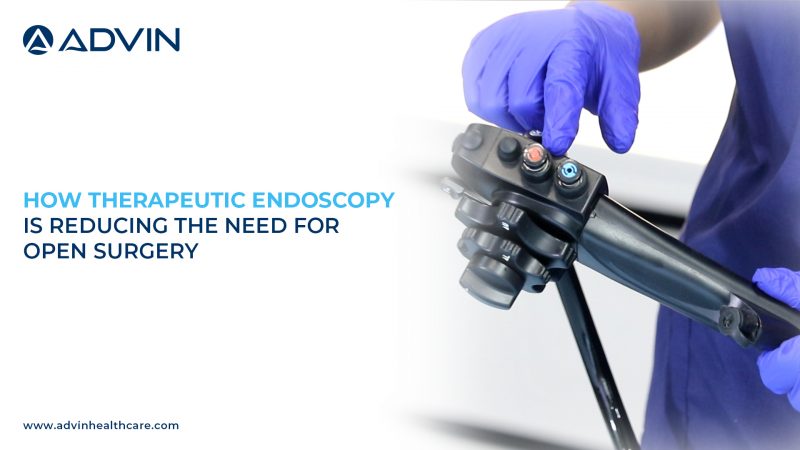
How Therapeutic Endoscopy Is Reducing the Need for Open Surgery

The Shift Toward Minimally Invasive GI Treatment

Therapeutic endoscopy is transforming gastrointestinal care by enabling diagnosis and treatment during the same minimally invasive procedure. Through natural body openings, interventional endoscopists can remove lesions, control bleeding, retrieve foreign bodies, dilate strictures and manage pancreaticobiliary disorders without large surgical incisions. This evolution supports shorter recovery, reduced tissue trauma and more patient-focused GI treatment.

From Diagnostic Endoscopy to Endoscopic Intervention

Conventional endoscopy was primarily used to visualize the digestive tract and obtain biopsy samples. Modern therapeutic endoscopy combines advanced imaging with specialized endoscopy accessories to perform targeted treatment through the endoscope’s working channel. Polypectomy and endoscopic mucosal resection can remove many colorectal polyps and selected superficial lesions without surgical bowel resection. Endoscopic haemostasis techniques can control gastrointestinal bleeding using clips, injection needles, thermal devices or variceal ligation. Esophageal dilation and endoscopic foreign-body retrieval can resolve selected obstructions without open surgical access. ERCP further enables minimally invasive bile-duct access, stone extraction, stricture dilation, drainage and biliary stent placement.

Key Applications of Advanced Therapeutic Endoscopy

Therapeutic endoscopy is increasingly used in the management of:

  • Colorectal polyps and selected early gastrointestinal neoplasia
  • Upper and lower gastrointestinal bleeding
  • Esophageal varices requiring endoscopic band ligation
  • Benign esophageal strictures and swallowing disorders
  • Bile-duct stones, biliary strictures and obstructive jaundice
  • Gastrointestinal foreign bodies and food-bolus impaction
  • Conditions requiring percutaneous endoscopic gastrostomy access

The European Society of Gastrointestinal Endoscopy reports that most superficial colonic and rectal lesions can be removed using standard polypectomy or endoscopic mucosal resection. These procedures can therefore reduce avoidable surgery for suitable lesions when performed by trained endoscopists. 

Advin Products Supporting Interventional Endoscopy

Advin Health Care manufactures single-use gastroenterology products and ERCP accessories for diagnostic and therapeutic endoscopy. Relevant products include:

  • Polypectomy Snare for endoscopic polyp removal
  • Endoscopy Biopsy Forceps for gastrointestinal tissue sampling
  • Haemostasis Clip for mechanical control of selected bleeding lesions
  • Sclerotherapy Needle for endoscopic injection procedures
  • Multiband Ligator Set for esophageal variceal ligation
  • Esophageal Balloon Dilator for controlled stricture dilation
  • Foreign Body Forceps and Foreign Body Hood for retrieval procedures
  • CBD Stone Retrieval Basket and Extraction Balloon for bile-duct stone management
  • ERCP Guide Wire and Cannula for pancreaticobiliary access
  • Biliary Plastic Stent and Stent Introducer Set for biliary drainage

These minimally invasive GI devices help endoscopists perform precise interventions while supporting procedural efficiency and infection-control protocols. Product selection must consider the clinical indication, endoscope working-channel compatibility, patient anatomy and approved instructions for use.

ERCP as an Alternative to Surgical Bile-Duct Exploration

ERCP has become a central therapeutic procedure for choledocholithiasis, biliary obstruction and selected pancreaticobiliary conditions. Stones may be removed using extraction balloons or retrieval baskets, while narrowed or obstructed ducts may be treated with dilation and stent placement. The ASGE describes ERCP as the primary minimally invasive treatment for bile-duct stones, although adverse events can occur and appropriate preventive strategies remain essential. 

The Future of Precision Endoscopy

AI-assisted endoscopy, advanced endoscopic imaging, EMR, ESD and third-space endoscopy are expanding the boundaries of incision-free GI treatment. Techniques such as peroral endoscopic myotomy demonstrate how intramural endoscopic surgery can treat selected motility disorders through a natural-orifice approach. 

Therapeutic endoscopy does not eliminate the need for surgery in advanced cancer, deep invasion, perforation, complex anatomy or failed endoscopic treatment. Instead, it provides an evidence-based, less invasive pathway that can prevent unnecessary open surgery while improving recovery and healthcare efficiency.

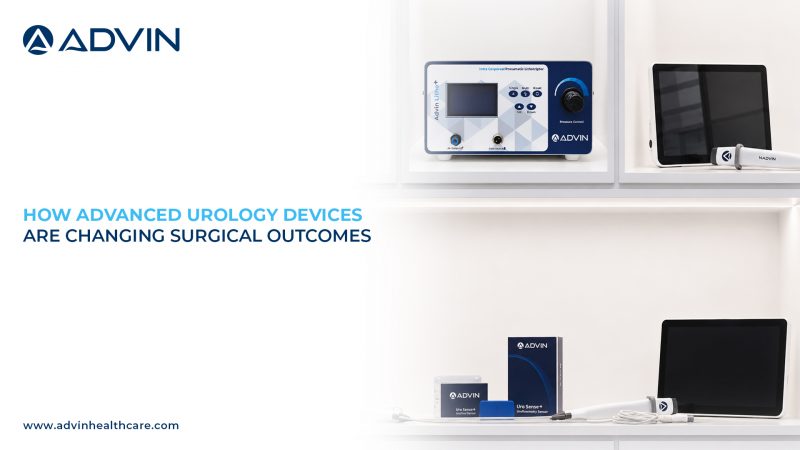
Then vs Now – How Urology Has Transformed Over the Years

Introduction

Urology has undergone a dramatic transformation over the years, evolving from primitive and high-risk procedures into a highly advanced, technology-driven medical specialty. The comparison between “then” and “now” highlights how innovation, research, and medical advancements have revolutionized patient care, surgical precision, and treatment outcomes.

Diagnosis: Then vs Now

Then:
In earlier times, diagnosis relied heavily on symptoms and basic observation. Physicians used methods like urine inspection (uroscopy) without any internal visualization tools. This often led to inaccurate or delayed diagnoses.

Now:
Modern urology uses advanced diagnostic tools such as:

  • High-definition imaging systems 
  • Endoscopic procedures like cystoscopy 
  • Ultrasound, CT scans, and MRI 

These technologies allow early detection and accurate diagnosis of urological conditions, improving treatment success rates.

Surgical Techniques: Then vs Now

Then:
Urological surgeries were mostly open procedures involving large incisions, high pain levels, and long recovery periods. Risks such as infection and complications were very common due to limited medical knowledge.

Now:
Today, surgeries are minimally invasive and highly precise, including:

  • Endoscopic procedures (TURP, URS, PCNL) 
  • Laser-based treatments 
  • Robotic-assisted surgeries 

These advancements have reduced hospital stays, minimized pain, and improved patient safety.

Instruments: Then vs Now

Then:
Early urology instruments were simple, rigid, and manually operated. They lacked precision and were often reused without proper sterilization, increasing the risk of infection.

Now:
Modern instruments are:

  • Highly precise and ergonomically designed 
  • Flexible and digital (HD endoscopes) 
  • Disposable for better hygiene 
  • Integrated with advanced imaging systems 

Companies like Advin Health Care contribute to this evolution by developing innovative and high-quality urology devices.

Patient Experience: Then vs Now

Then:
Patients experienced:

  • Severe pain during and after procedures 
  • Long hospital stays 
  • Higher complication rates 

Now:
Patient care has improved significantly with:

  • Minimally invasive treatments 
  • Faster recovery and shorter hospital stays 
  • Reduced pain and complications 
  • Better overall comfort and safety 

Technology: Then vs Now

Then:
There was little to no use of advanced technology. Procedures were performed manually with limited visualization and control.

Now:
Technology is at the core of modern urology:

  • Robotic surgical systems 
  • Laser technology for stone and prostate treatment 
  • AI-assisted diagnostics 
  • Smart and connected medical devices 

These innovations have transformed urology into a highly efficient and precise medical field.

Treatment Outcomes: Then vs Now

Then:
Treatment outcomes were uncertain, with higher mortality and complication rates. Many conditions were difficult to treat effectively.

Now:
Modern urology offers:

  • High success rates 
  • Safer procedures 
  • Early detection of diseases 
  • Long-term effective treatment solutions 

Future Outlook

While the transformation has already been remarkable, the future promises even more advancements. Innovations in AI, robotics, and personalized medicine will continue to redefine urology, making treatments more targeted and patient-friendly.

Conclusion

The journey of urology from “then” to “now” is a powerful example of how medical science and technology can transform healthcare. What was once a high-risk and painful field has become a precise, safe, and patient-centric specialty.

The Development of Transurethral Resection of the Prostate (TURP)

Introduction

Transurethral Resection of the Prostate (TURP) is one of the most important and widely performed procedures in urology. It is primarily used to treat benign prostatic hyperplasia (BPH), a condition where the prostate gland enlarges and causes urinary problems. Over the years, TURP has evolved from a basic surgical concept into a highly refined, minimally invasive procedure that remains the gold standard for prostate treatment.

Early Treatment of Prostate Disorders

Before the development of TURP, prostate enlargement was treated through open surgery. These procedures were highly invasive, required large incisions, and carried significant risks such as infection, bleeding, and long recovery times.

Due to these challenges, there was a strong need for a safer, less invasive method to treat prostate conditions effectively.

Introduction of TURP (Early 20th Century)

The early 20th century marked a breakthrough with the introduction of TURP. This technique allowed surgeons to remove excess prostate tissue through the urethra, eliminating the need for external incisions.

The development of the resectoscope, an instrument combining visualization and tissue resection, made this procedure possible. TURP quickly gained popularity due to its effectiveness and reduced patient trauma compared to open surgery.

Monopolar TURP Era

Initially, TURP was performed using monopolar electrosurgery. In this method:

  • Electrical current passes through the resection loop 
  • Non-conductive fluids like glycine are used for irrigation 

Monopolar TURP became the standard procedure for decades. However, it had some limitations, including the risk of TUR syndrome (fluid absorption complications) and restrictions on operating time.

Evolution to Bipolar TURP

To overcome the limitations of monopolar systems, bipolar TURP technology was introduced. This advancement brought several improvements:

  • Use of normal saline as irrigation fluid 
  • Reduced risk of TUR syndrome 
  • Better safety and control during surgery 
  • Ability to perform longer procedures 

Bipolar TURP significantly enhanced patient safety and is now widely preferred in modern urology practice.

Technological Advancements in TURP

Modern TURP procedures benefit from continuous innovation in medical technology, including:

  • High-definition camera systems for better visualization 
  • Improved resectoscope designs for precision 
  • Advanced energy sources for efficient tissue removal 
  • Enhanced irrigation and fluid management systems 

These advancements have made TURP more effective, faster, and safer than ever before.

Role of Medical Device Companies

The development and success of TURP are closely linked to advancements in medical device manufacturing. Companies like Advin Health Care contribute by providing high-quality TURP sets, resectoscopes, electrodes, and electrosurgical units.

Their focus on innovation and quality ensures that surgeons can perform procedures with maximum precision and safety.

TURP vs Modern Alternatives

While TURP remains the gold standard, newer technologies have emerged, such as:

  • Laser prostate surgery (HoLEP, GreenLight laser) 
  • Minimally invasive therapies 

However, TURP continues to be widely used due to its proven effectiveness, affordability, and long-term results.

Future of TURP

The future of TURP lies in further refinement and integration with advanced technologies, including:

  • Robotic-assisted procedures 
  • AI-guided surgical systems 
  • Enhanced energy platforms 

These innovations aim to improve outcomes while maintaining the reliability of traditional TURP techniques.

Conclusion

The development of Transurethral Resection of the Prostate (TURP) represents a major milestone in urology. From invasive open surgeries to advanced endoscopic techniques, TURP has revolutionized prostate treatment.

The Complete History of Urology – From Ancient Medicine to Modern Surgery

Introduction

Urology is one of the most fascinating and rapidly evolving branches of medicine, dedicated to the health of the urinary tract and male reproductive system. What began as primitive treatments for painful conditions has transformed into a highly advanced, technology-driven specialty. Today, urology combines precision surgery, innovative devices, and minimally invasive techniques to deliver better patient outcomes than ever before.

Ancient Beginnings of Urology

The origins of urology date back thousands of years to ancient civilizations such as Egypt, India, and Greece. Early physicians studied urine to diagnose diseases—a practice known as uroscopy.

One of the earliest surgical procedures was lithotomy, used to remove bladder stones. Ancient Indian surgeon Sushruta described urinary disorders and surgical techniques in great detail. However, due to the absence of anesthesia and antiseptic practices, these procedures were extremely risky and painful.

Medieval and Renaissance Developments

During the medieval period, urology remained limited but began to specialize. Surgeons known as lithotomists focused exclusively on removing bladder stones.

The Renaissance brought a deeper understanding of human anatomy, which improved surgical methods. Early instruments were developed to explore the urinary tract, laying the groundwork for modern diagnostic techniques.

Birth of Modern Urology (19th Century)

The 19th century marked the true beginning of modern urology. A major breakthrough came with the invention of the cystoscope, which allowed doctors to visually examine the bladder.

At the same time, the introduction of anesthesia and antiseptic techniques made surgeries safer and more effective. These advancements helped establish urology as a separate and specialized field within medicine.

20th Century: Rapid Advancements

The 20th century revolutionized urology with groundbreaking innovations. One of the most significant developments was Transurethral Resection of the Prostate (TURP), which became the gold standard for treating prostate enlargement.

Imaging technologies such as X-rays and ultrasound improved diagnosis, while endoscopic procedures reduced the need for open surgeries. New instruments like resectoscopes, ureteroscopes, and nephroscopes enhanced surgical precision and efficiency.

Rise of Minimally Invasive Urology

Modern urology has shifted towards minimally invasive procedures that reduce patient discomfort and recovery time. Techniques such as:

  • PCNL (Percutaneous Nephrolithotomy) 
  • URS (Ureteroscopy) 
  • Laser lithotripsy 

have transformed kidney stone treatment and other urological procedures. These methods allow surgeons to perform complex operations with minimal incisions and higher success rates.

Technological Revolution in Urology

Technology continues to redefine urology. High-definition cameras, advanced endoscopes, and laser systems have significantly improved surgical outcomes.

Robotic-assisted surgery is one of the most exciting advancements, enabling surgeons to perform highly precise procedures with enhanced control. Additionally, the rise of disposable instruments has improved safety and reduced infection risks.

Urology in the Modern Healthcare Industry

Today, urology is a vital division in hospitals and healthcare systems worldwide. The increasing prevalence of kidney stones, prostate disorders, and urinary tract diseases has driven demand for advanced urology solutions.

Medical device companies such as Advin Health Care contribute significantly by providing innovative instruments and equipment used in modern urological procedures. The global urology market continues to expand, offering new opportunities for growth and innovation.

Future of Urology

The future of urology is being shaped by cutting-edge technologies such as artificial intelligence, robotics, and smart surgical systems. Personalized treatments and data-driven diagnostics are expected to improve patient care even further.

As research and innovation continue, urology will become more efficient, less invasive, and increasingly patient-focused.

Conclusion

The history of urology is a remarkable journey from ancient, high-risk procedures to modern, precision-based surgery. Each era has contributed to the advancement of knowledge, technology, and patient care.

Robotic Urology Surgery – The Next Revolution in Healthcare

Introduction

Robotic urology surgery represents one of the most significant breakthroughs in modern medicine. By combining advanced robotics with surgical expertise, it has transformed how complex urological procedures are performed. This technology enables greater precision, improved outcomes, and a better overall experience for patients, making it a true revolution in healthcare.

What is Robotic Urology Surgery?

Robotic urology surgery is a minimally invasive technique where surgeons use a robotic system to perform procedures with enhanced control and accuracy. The most widely used platform is the da Vinci Surgical System.

In this system:

  • The surgeon controls robotic arms from a console 
  • Instruments mimic human hand movements with higher precision 
  • A 3D high-definition camera provides a detailed view of the surgical area 

This combination allows for extremely delicate and precise procedures.

Key Applications in Urology

Robotic surgery is widely used in various urological procedures, including:

  • Prostate surgery (Radical prostatectomy) 
  • Kidney surgery (Partial or total nephrectomy) 
  • Bladder surgery 
  • Reconstructive urology procedures 

These applications highlight the versatility and effectiveness of robotic systems in modern urology.

Advantages of Robotic Surgery

Enhanced Precision
Robotic instruments allow for highly accurate movements, reducing the risk of damage to surrounding tissues.

Minimally Invasive Approach
Small incisions lead to less pain, minimal scarring, and faster healing.

Better Visualization
3D high-definition imaging provides surgeons with a clearer and more detailed view.

Reduced Blood Loss and Complications
Improved control leads to safer procedures and fewer complications.

Faster Recovery
Patients experience shorter hospital stays and quicker return to normal activities.

Technological Innovations Behind Robotic Surgery

Robotic urology surgery is powered by cutting-edge technologies such as:

  • Advanced robotic arms with multiple degrees of freedom 
  • High-definition 3D imaging systems 
  • Motion scaling and tremor filtration 
  • Integration with digital and imaging technologies 

These innovations enhance surgical performance and outcomes.

Role of Medical Device Companies

The advancement of robotic urology surgery is driven by leading medical technology companies like Advin Health Care.

These companies contribute by developing high-quality surgical instruments, imaging systems, and supporting technologies that complement robotic platforms and improve overall surgical efficiency.

Challenges and Considerations

While robotic surgery offers many benefits, it also comes with certain challenges:

  • High cost of robotic systems 
  • Requirement for specialized training 
  • Limited availability in smaller healthcare centers 

Despite these challenges, the adoption of robotic surgery continues to grow globally.

Future of Robotic Urology

The future of robotic urology surgery is promising, with ongoing advancements such as:

  • Integration of Artificial Intelligence (AI) 
  • Improved robotic systems with enhanced capabilities 
  • Greater accessibility and affordability 
  • Expansion into more complex procedures 

These developments will further strengthen the role of robotics in urology.

Conclusion

Robotic urology surgery is truly the next revolution in healthcare. By combining precision, innovation, and patient-centered care, it has redefined the standards of surgical treatment.

The Complete History of Urology – From Ancient Medicine to Modern Surgery

  • Introduction

Urology is one of the oldest branches of medicine, focusing on diseases related to the urinary tract and male reproductive system. Over centuries, it has transformed from basic observational practices into a highly advanced surgical specialty. Today, urology plays a crucial role in diagnosing and treating conditions such as kidney stones, prostate disorders, and urinary tract diseases. Understanding its history helps us appreciate how far medical science has progressed.

  • Ancient Beginnings of Urology

The roots of urology can be traced back to ancient civilizations such as Egypt, India, and Greece. Early physicians relied on observation and simple tools to diagnose urinary conditions. One of the oldest known procedures was lithotomy, a surgical method used to remove bladder stones. Ancient texts like the Sushruta Samhita described urinary diseases and their treatments in detail. However, due to limited knowledge and lack of anesthesia, these procedures were risky and painful.

  • Medieval and Renaissance Developments

During the medieval period, urology began to evolve slowly. Specialized practitioners known as “lithotomists” performed stone removal surgeries. In the Renaissance era, advancements in anatomy and surgical techniques improved understanding of the urinary system. Physicians started using primitive instruments to explore the bladder, marking the early stages of diagnostic urology.

  • Birth of Modern Urology (19th Century)

The 19th century marked a turning point in the history of urology. The invention of the cystoscope allowed doctors to visually examine the bladder for the first time. This breakthrough significantly improved diagnosis and treatment accuracy. At the same time, the introduction of anesthesia and antiseptic techniques made surgeries safer and more effective. Urology gradually emerged as a distinct medical specialty separate from general surgery.

  • 20th Century: Rapid Advancements

The 20th century witnessed major innovations that transformed urology into a modern discipline. Procedures like Transurethral Resection of the Prostate (TURP) became the gold standard for treating prostate enlargement. Imaging technologies such as X-rays and ultrasound improved diagnostic capabilities.

Additionally, the development of endoscopic techniques allowed surgeons to perform procedures with minimal incisions. This era also saw the introduction of specialized instruments like resectoscopes, ureteroscopes, and nephroscopes, which enhanced precision and patient outcomes.

  • Rise of Minimally Invasive Urology

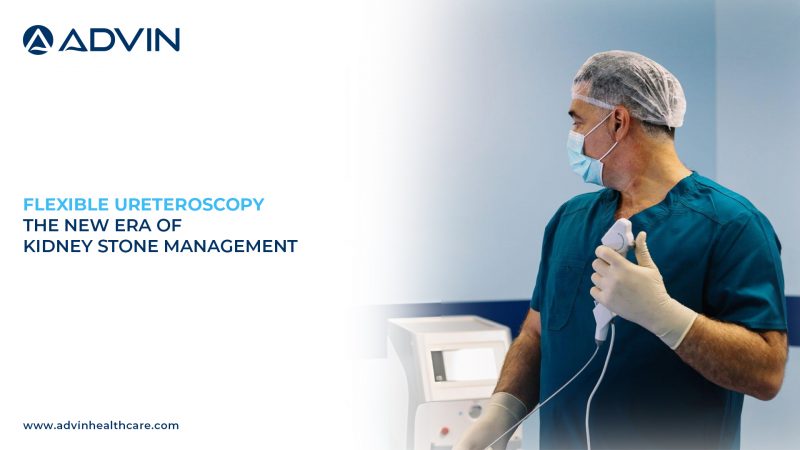
In recent decades, urology has shifted towards minimally invasive and patient-friendly procedures. Techniques such as PCNL (Percutaneous Nephrolithotomy) and URS (Ureteroscopy) revolutionized kidney stone treatment. The use of laser technology further improved the effectiveness of stone removal and prostate surgeries.

Minimally invasive urology offers several advantages, including reduced pain, shorter hospital stays, and faster recovery times, making it the preferred approach in modern healthcare.

  • Technological Revolution in Urology

Today, technology plays a vital role in urology. Advanced imaging systems, high-definition endoscopes, and robotic-assisted surgeries have significantly enhanced surgical precision. Robotic systems allow surgeons to perform complex procedures with greater accuracy and control.

Disposable and flexible instruments have also gained popularity, improving hygiene and reducing the risk of infections. These innovations continue to push the boundaries of what is possible in urological care.

  • Urology in the Modern Healthcare Industry

Urology has become a key division in hospitals and medical institutions worldwide. The demand for advanced urology equipment and procedures is growing due to increasing cases of kidney stones, prostate disorders, and lifestyle-related diseases.

Medical device companies, including Advin Health Care, play an important role in supplying high-quality instruments and solutions that support modern urological procedures. The industry continues to expand globally, driven by innovation and rising healthcare needs.

  • Future of Urology

The future of urology looks promising, with ongoing advancements in robotics, artificial intelligence, and personalized medicine. AI-driven diagnostics and smart surgical tools are expected to further improve accuracy and patient outcomes.

As technology continues to evolve, urology will become even more efficient, minimally invasive, and patient-centric, ensuring better healthcare for future generations.

  • Conclusion

The journey of urology from ancient medicine to modern surgery is a remarkable story of innovation and progress. From painful stone removal procedures to advanced robotic surgeries, the field has undergone a massive transformation. Today, urology stands as a highly specialized and technologically advanced branch of medicine, continuously evolving to meet the needs of patients worldwide.

History of Kidney Stone Treatment – From Ancient Methods to Laser Technology

Introduction

Kidney stone disease is one of the oldest known medical conditions, affecting humans for thousands of years. The treatment of kidney stones has evolved dramatically—from painful, high-risk surgeries in ancient times to today’s advanced, minimally invasive laser procedures. This journey reflects the progress of medical science, technology, and patient care in urology.

Ancient Methods of Kidney Stone Treatment

In ancient civilizations such as Egypt, India, and Greece, kidney stones were treated using primitive and often dangerous techniques. The most common method was lithotomy, a surgical procedure to remove bladder stones through an incision.

Ancient texts like the Sushruta Samhita described stone diseases and their management. However, due to the lack of anesthesia and sterilization, these procedures were extremely painful and carried high risks of infection and mortality.

Medieval and Early Surgical Approaches

During the medieval period, specialized surgeons known as lithotomists performed stone removal procedures. While techniques improved slightly, the risks remained high.

Instruments became somewhat more refined, but the absence of proper medical knowledge and hygiene limited success rates. Kidney stone treatment was still considered one of the most dangerous surgical procedures.

19th Century: Beginning of Safer Treatments

The 19th century brought significant improvements with the introduction of anesthesia and antiseptic techniques. These advancements made surgeries safer and more controlled.

Doctors began to better understand the urinary system, leading to more effective surgical approaches. However, most procedures still required open surgery, which involved long recovery times and higher complication risks.

20th Century: Breakthrough Innovations

The 20th century marked a turning point in kidney stone treatment with the development of minimally invasive techniques. Key advancements included:

  • Endoscopic procedures for internal visualization 
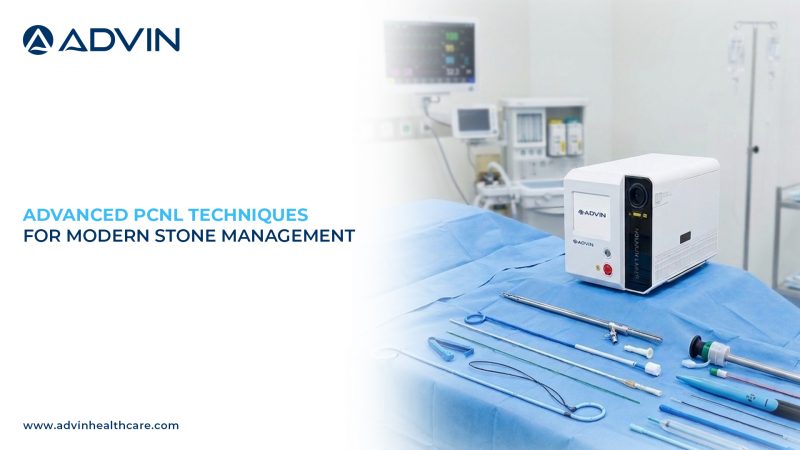
  • Percutaneous Nephrolithotomy (PCNL) for removing large kidney stones 
  • Ureteroscopy (URS) for accessing stones in the ureter 

These techniques significantly reduced the need for open surgery and improved patient outcomes.

Introduction of ESWL (Shock Wave Therapy)

One of the most revolutionary advancements was Extracorporeal Shock Wave Lithotripsy (ESWL). This non-invasive method uses shock waves to break kidney stones into smaller fragments that can pass naturally through the urinary tract.

ESWL eliminated the need for surgery in many cases and became widely adopted due to its effectiveness and patient comfort.

Modern Era: Laser Technology in Stone Treatment

Today, laser technology has transformed kidney stone management. The use of Holmium laser lithotripsy allows precise fragmentation of stones during procedures like URS and RIRS (Retrograde Intrarenal Surgery).

Key benefits of laser treatment include:

  • High precision and effectiveness 
  • Minimal tissue damage 
  • Faster recovery 
  • Ability to treat stones of various sizes and compositions 

Laser technology has become a cornerstone of modern urology.

Role of Medical Device Companies

The advancement of kidney stone treatment is closely linked to innovation in medical devices. Companies like Advin Health Care provide essential equipment such as ureteroscopes, PCNL sets, lithotripters, and laser systems.

Their contribution ensures that healthcare providers can offer safe, efficient, and advanced treatment options to patients worldwide.

Future of Kidney Stone Treatment

The future of kidney stone management is focused on:

  • Advanced laser systems with higher efficiency 
  • Robotic-assisted stone removal procedures 
  • AI-based diagnosis and treatment planning 
  • Improved non-invasive techniques 

These innovations aim to make treatment even more precise, comfortable, and accessible.

Conclusion

The history of kidney stone treatment is a remarkable journey from painful and risky procedures to advanced, minimally invasive solutions. From ancient lithotomy to modern laser technology, each stage has contributed to safer and more effective patient care.

History of Cystoscopy – From Early Innovation to Modern Diagnostics

Introduction

Cystoscopy is one of the most important diagnostic and therapeutic procedures in urology, allowing direct visualization of the urinary bladder and urethra. Over time, cystoscopy has evolved from a rudimentary concept into a highly advanced, minimally invasive technique. Its development has played a crucial role in improving the diagnosis and treatment of urinary tract disorders.

Early Beginnings of Cystoscopy

The concept of examining the bladder internally dates back to the early 19th century. Initially, physicians attempted to visualize the bladder using simple tubes and reflected light sources such as candles or mirrors.

These early attempts were limited by poor illumination and lack of clear visibility, making diagnosis difficult and unreliable.

Invention of the First Cystoscope

A major breakthrough came with the invention of the first practical cystoscope by Max Nitze in the late 19th century.

This instrument used a built-in light source and optical system, allowing doctors to directly view the interior of the bladder for the first time. It revolutionized urology by enabling accurate diagnosis of bladder diseases, tumors, and stones.

Advancements in the Early 20th Century

In the early 20th century, cystoscopy technology improved significantly with:

  • Better light sources (electric illumination) 
  • Improved lens systems for clearer visualization 
  • Enhanced instrument design for ease of use 

These advancements made cystoscopy more reliable and widely adopted in clinical practice.

Development of Rigid and Flexible Cystoscopy

As technology progressed, two main types of cystoscopes were developed:

  • Rigid Cystoscopes:
    Provided excellent image clarity and were widely used for surgical procedures. 
  • Flexible Cystoscopes:
    Introduced later, offering greater patient comfort and easier navigation within the urinary tract. 

Flexible cystoscopy became especially important for outpatient diagnostics and routine examinations.

Modern Cystoscopy Techniques

Today, cystoscopy is a highly advanced procedure supported by cutting-edge technology, including:

  • High-definition camera systems 
  • Fiber-optic and digital imaging 
  • Video cystoscopy for real-time visualization 
  • Integration with minimally invasive surgical tools 

Modern cystoscopy is used not only for diagnosis but also for therapeutic procedures such as biopsy, stone removal, and tumor treatment.

Role of Medical Device Companies

The advancement of cystoscopy has been driven by continuous innovation from medical device manufacturers like Advin Health Care.

These companies develop high-quality cystoscopy sets, endoscopic instruments, and imaging systems that ensure precision, safety, and efficiency in urological procedures.

Future of Cystoscopy

The future of cystoscopy is focused on further enhancing diagnostic accuracy and patient comfort. Key trends include:

  • AI-assisted imaging for early disease detection 
  • Disposable cystoscopes for improved hygiene 
  • Enhanced digital visualization systems 
  • Integration with robotic-assisted procedures 

These innovations aim to make cystoscopy even more efficient, safe, and patient-friendly.

Conclusion

The history of cystoscopy is a story of innovation and progress. From early attempts using basic light sources to today’s advanced digital systems, cystoscopy has become an essential tool in modern urology.

Growth of the Urology Division in the Global Healthcare Industry

Growth of the Urology Division

The urology division has become one of the fastest-growing segments in the global healthcare industry. Focused on the diagnosis and treatment of urinary tract and male reproductive system disorders, urology has evolved into a highly specialized and technology-driven field. With rising disease prevalence and continuous innovation, the demand for urology services and equipment is increasing worldwide.

Rising Prevalence of Urological Disorders

One of the key drivers of growth in the urology division is the increasing number of urological conditions, including:

  • Kidney stones 
  • Benign Prostatic Hyperplasia (BPH) 
  • Urinary tract infections (UTIs) 
  • Bladder and prostate cancers 

Lifestyle changes, aging populations, and dietary habits have contributed significantly to the rise in these conditions, creating a higher demand for effective diagnosis and treatment.

Technological Advancements Driving Growth

Technological innovation has played a major role in expanding the urology division. Modern advancements include:

  • Minimally invasive surgical techniques 
  • Laser-based treatments 
  • Robotic-assisted surgeries 
  • High-definition imaging and endoscopy systems 

These technologies have improved patient outcomes, reduced recovery time, and increased the efficiency of urological procedures, making them more accessible and widely adopted.

Shift Towards Minimally Invasive Procedures

The global healthcare industry is rapidly shifting from open surgeries to minimally invasive techniques. In urology, procedures such as:

  • Ureteroscopy (URS) 
  • Percutaneous Nephrolithotomy (PCNL) 
  • Transurethral Resection of the Prostate (TURP) 

have become standard practices. These procedures offer reduced pain, shorter hospital stays, and faster recovery, making them highly preferred by both patients and healthcare providers.

Expansion of the Medical Device Industry

The growth of the urology division is closely linked to the expansion of the medical device industry. Companies like Advin Health Care are playing a vital role by manufacturing and supplying advanced urology instruments and equipment globally.

From cystoscopy and ureteroscopy sets to laser machines and electrosurgical units, medical device manufacturers are continuously innovating to meet the increasing demand and improve procedural outcomes.

Global Market Growth and Opportunities

The global urology market is experiencing strong growth due to:

  • Increasing healthcare investments 
  • Rising awareness about urological health 
  • Growth in medical tourism 
  • Expansion in emerging markets 

Developing countries are becoming key growth regions, offering significant opportunities for manufacturers and suppliers of urology equipment.

Role of Hospitals and Healthcare Infrastructure

Hospitals and specialized urology centers are expanding their capabilities to meet growing patient demand. Investments in advanced equipment, skilled professionals, and digital healthcare systems are strengthening the urology division within healthcare institutions.

This expansion is improving access to quality care and supporting the overall growth of the industry.

Future Trends in the Urology Division

The future of the urology division is shaped by innovation and digital transformation. Key trends include:

  • Artificial Intelligence (AI) in diagnosis and treatment planning 
  • Robotic-assisted surgeries becoming more common 
  • Smart and connected medical devices 
  • Personalized treatment approaches 

These advancements will further enhance efficiency, accuracy, and patient satisfaction.

Conclusion

The growth of the urology division in the global healthcare industry reflects the increasing importance of specialized medical care and technological innovation. Driven by rising disease prevalence, advanced treatment options, and expanding healthcare infrastructure, urology continues to be a key focus area worldwide.