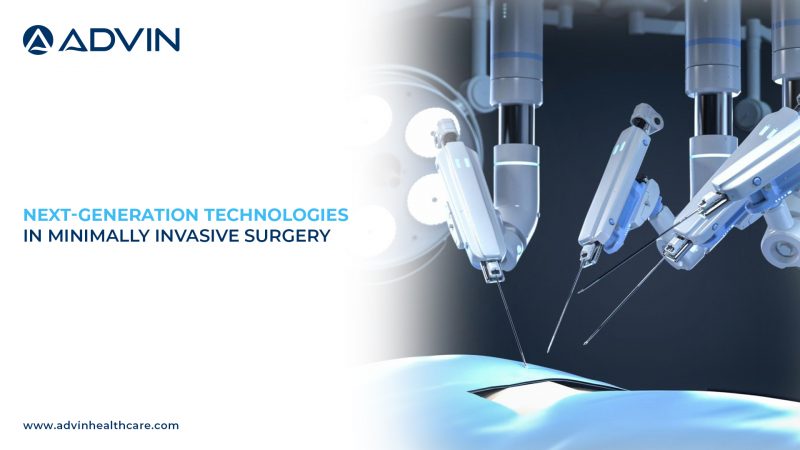
Next-Generation Technologies in Minimally Invasive Surgery

Industry Shift Overview

Minimally Invasive Surgery (MIS) is rapidly transforming modern healthcare by offering safer procedures, smaller incisions, reduced pain, and faster patient recovery. Compared with traditional open surgery, MIS significantly reduces hospital stay, blood loss, and postoperative complications.

Today, the integration of robotics, artificial intelligence, advanced visualization, and smart surgical devices is driving the next generation of minimally invasive surgery across multiple specialties including laparoscopy, urology, gynecology, and general surgery.

Robotic-Assisted Surgery

Robotic-assisted systems are revolutionizing minimally invasive procedures by enhancing surgical precision and control.

Key Benefits

  • Enhanced dexterity and precision 
  • Better maneuverability 
  • Reduced surgeon fatigue 
  • Smaller incisions 
  • Faster recovery 

Robotic platforms enable surgeons to perform highly complex procedures with improved accuracy and consistency.

Artificial Intelligence in Surgery

Artificial Intelligence is becoming a major innovation in modern surgical practice.

AI Applications

  • Real-time image analysis 
  • Surgical planning support 
  • Smart tissue identification 
  • Automated safety alerts 
  • Predictive analytics 

AI helps improve decision-making, reduce errors, and optimize surgical efficiency.

Advanced Visualization Systems

Modern surgery heavily depends on high-quality visualization technologies.

Latest Innovations

  • 4K Ultra-HD imaging 
  • 3D visualization systems 
  • Digital image enhancement 
  • Fluorescence imaging (ICG) 

Enhanced visualization improves anatomical identification and procedural accuracy during complex surgeries.

Smart Energy Devices

Energy-based surgical systems are improving tissue dissection and vessel sealing.

Key Technologies

  • Bipolar vessel sealing 
  • Ultrasonic energy devices 
  • Advanced electrosurgical systems 

Benefits

  • Better hemostasis 
  • Reduced blood loss 
  • Faster tissue sealing 
  • Less thermal damage 

These devices improve safety and procedural control during surgery.

Single-Incision and Miniaturized Surgery

The trend toward smaller incisions continues to shape the future of MIS.

Innovations Include

  • Single-Incision Laparoscopic Surgery (SILS) 
  • Mini-laparoscopy 
  • Needle-based surgical systems 
  • Micro instruments 

Advantages

  • Less pain 
  • Better cosmetic results 
  • Faster recovery 
  • Reduced tissue trauma 

These technologies improve patient comfort while maintaining procedural effectiveness.

Smart Trocars and Access Systems

Advanced access devices are improving safety during minimally invasive procedures.

Key Innovations

  • Optical trocars 
  • Bladeless trocars 
  • Advanced insufflation systems 
  • Smoke evacuation technology 

These systems help maintain stable working environments and improve procedural efficiency.

Disposable Surgical Devices

The healthcare industry is increasingly adopting single-use surgical consumables.

High-Demand Products

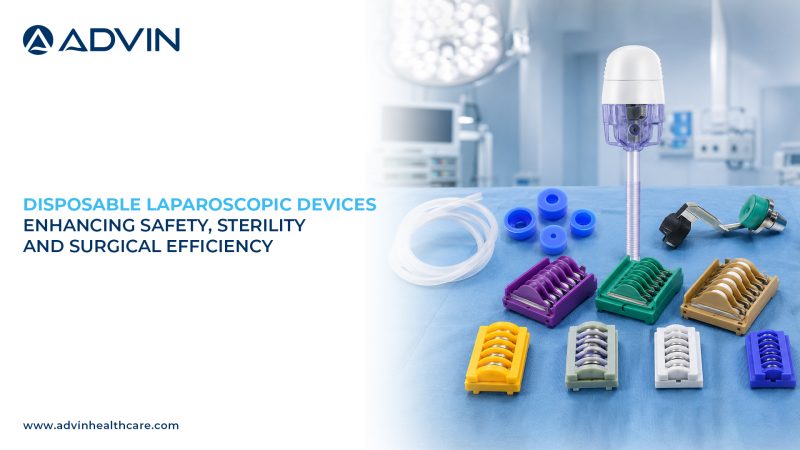
  • Disposable Trocars 
  • Suction & Irrigation Sets 
  • Retrieval Bags 
  • Endoscopic Accessories 

Benefits

  • Reduced infection risk 
  • No sterilization required 
  • Consistent performance 
  • Improved workflow 

Disposable devices are becoming standard in many modern operating rooms.

Smart Operating Rooms

Digital integration is transforming surgical environments.

Features

  • Connected imaging systems 
  • Real-time monitoring 
  • Cloud-based surgical data 
  • Digital workflow management 

Smart operating rooms improve coordination, efficiency, and patient safety.

Future of Minimally Invasive Surgery

The future of MIS will focus on:

  • AI-guided surgery 
  • Robotic automation 
  • Augmented reality navigation 
  • Remote surgical assistance 
  • Cloud-connected operating rooms 

These innovations will continue improving precision, safety, and efficiency across global healthcare systems.

Advin Health Care and Advanced MIS Solutions

Advin Health Care supports the future of minimally invasive surgery with a wide range of precision-engineered surgical instruments and consumables.

Key Product Categories

  • Laparoscopic Instruments 
  • Trocars and Cannulas 
  • Urology Instruments 
  • Endoscopy Accessories 
  • Disposable Surgical Consumables 

These solutions are designed to support next-generation minimally invasive procedures while meeting international quality standards.

Conclusion

Next-generation technologies are redefining minimally invasive surgery through robotics, artificial intelligence, advanced visualization, smart energy devices, and digital operating room integration. These innovations are improving surgical outcomes, reducing complications, and enhancing patient recovery worldwide.

Disposable Laparoscopic Devices – Enhancing Safety, Sterility, and Surgical Efficiency

Industry Shift Overview

The global laparoscopy market is rapidly shifting toward single-use or disposable surgical devices as hospitals increasingly prioritize infection control, workflow efficiency, and patient safety. With the rise of minimally invasive surgery, disposable laparoscopic devices are becoming essential components of modern operating rooms.

These devices help reduce cross-contamination risks, eliminate reprocessing requirements, and ensure consistent performance during every procedure.

What are Disposable Laparoscopic Devices?

Disposable laparoscopic devices are single-use surgical instruments and accessories designed for one-time procedures and safely discarded after use.

Unlike reusable instruments, these devices do not require cleaning, sterilization, or maintenance, making them highly efficient for modern surgical workflows.

Growing Demand for Single-Use Devices

Healthcare facilities worldwide are adopting disposable laparoscopic devices at a faster rate due to stricter infection control standards and increasing surgical volumes.

Key Drivers of Demand

  • Reduced cross-contamination risk 
  • No sterilization or reprocessing cost 
  • Consistent product performance 
  • Improved workflow efficiency 
  • Better regulatory compliance 
  • Reduced instrument maintenance 

These benefits are making disposable devices increasingly popular in hospitals, ambulatory surgery centers, and high-volume surgical facilities.

High-Demand Disposable Laparoscopic Products

Several disposable products are becoming standard in minimally invasive surgery.

Common Disposable Devices

  • Disposable Trocars 
  • Veress Needles 
  • Specimen Retrieval Bags 
  • Suction & Irrigation Sets 
  • Laparoscopic Scissors 
  • Clip Applicators 
  • Electrosurgical Accessories 
  • Smoke Evacuation Tubing 

These devices support a wide range of laparoscopic procedures across multiple specialties.

Advantages of Disposable Laparoscopic Devices

Disposable devices offer several operational and clinical benefits.

Key Benefits

  • Improved infection control 
  • Reliable performance in every procedure 
  • Reduced setup time 
  • No repair or maintenance cost 
  • Increased OR efficiency 
  • Enhanced procedural safety 

Single-use devices are especially beneficial in emergency surgeries and high-turnover operating rooms.

Disposable vs Reusable Devices

The comparison between disposable and reusable devices continues to influence purchasing decisions.

Disposable Devices

Advantages

  • Higher sterility assurance 
  • No cleaning required 
  • Consistent quality 

Challenges

  • Higher per-unit cost 
  • Increased medical waste 

Reusable Devices

Advantages

  • Lower long-term cost 
  • Reduced waste generation 

Challenges

  • Sterilization requirements 
  • Repair and maintenance expenses 
  • Potential performance variation over time 

Many hospitals now adopt a hybrid model using both reusable and disposable devices.

Role in Advanced Laparoscopic Surgery

Disposable devices are increasingly used in advanced minimally invasive procedures such as:

  • Bariatric surgery 
  • Hernia repair 
  • Colorectal surgery 
  • Gynecology surgery 
  • Urology laparoscopy 
  • General surgery 

Their reliability supports smooth workflow during complex procedures.

Integration with New Surgical Technologies

Modern disposable devices are designed to work seamlessly with advanced surgical platforms.

Technology Trends

  • Robotic-assisted laparoscopy 
  • 4K visualization systems 
  • AI-integrated surgical platforms 
  • Advanced energy devices 
  • Smart operating rooms 

Compatibility with next-generation technologies is increasing demand for precision-engineered disposable accessories.

Future of Disposable Laparoscopic Devices

The future of disposable laparoscopy will focus on:

  • Smart disposable instruments 
  • Better ergonomic designs 
  • Sustainable materials 
  • Improved precision engineering 
  • Advanced energy-compatible accessories 

Manufacturers are increasingly focusing on balancing performance, cost, and environmental sustainability.

Advin Health Care and Laparoscopic Solutions

Advin Health Care supports modern minimally invasive surgery with a broad range of laparoscopic instruments and surgical consumables.

Key Product Categories

  • Disposable Trocars 
  • Veress Needles 
  • Suction & Irrigation Systems 
  • Laparoscopic Hand Instruments 
  • Monopolar & Bipolar Accessories 
  • Surgical Consumables 

These products are designed to meet the growing demand for safe, efficient, and reliable laparoscopic procedures.

Conclusion

Disposable laparoscopic devices are transforming minimally invasive surgery by improving infection control, operational efficiency, and procedural reliability. As surgical technologies continue to advance, the demand for high-quality single-use laparoscopic devices will continue to grow across global healthcare systems.

Manufacturers focused on innovation, precision engineering, and next-generation surgical compatibility will play a major role in the future of laparoscopic surgery.

The Future of Laser Technology in Urology Surgery

Industry Shift Overview

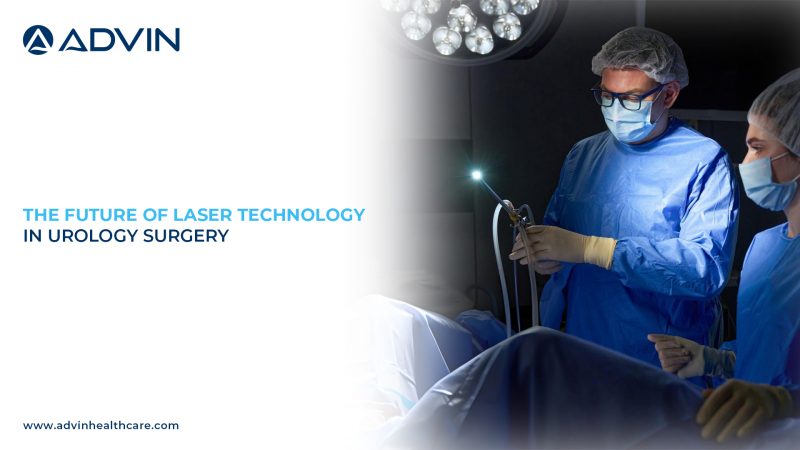
Laser technology has become one of the most important advancements in modern urology surgery. From kidney stone treatment to prostate procedures, laser-based systems are transforming minimally invasive urology through improved precision, reduced complications, and faster patient recovery.

The growing adoption of advanced laser platforms, digital endoscopy systems, and smart surgical technologies is reshaping the future of endourology worldwide.

Evolution of Laser Technology in Urology

Laser systems in urology have evolved significantly over the past decade. Traditional treatment methods are now being replaced by high-precision laser technologies that offer safer and more efficient outcomes.

Major Applications of Urology Lasers

  • Kidney stone fragmentation 
  • Prostate surgery (BPH treatment) 
  • Soft tissue ablation 
  • Tumor management 
  • Stricture treatment 

Modern laser systems are designed to improve surgical control while minimizing tissue damage.

Rise of Thulium Fiber Laser (TFL)

Thulium Fiber Laser (TFL) is emerging as one of the most advanced technologies in urology surgery.

Key Advantages of TFL

  • Faster stone dusting 
  • Reduced retropulsion 
  • Better energy efficiency 
  • Lower heat generation 
  • Ability to use thinner laser fibers 

TFL technology is becoming increasingly popular in:

  • Flexible Ureteroscopy (FURS) 
  • Retrograde Intrarenal Surgery (RIRS) 
  • Complex kidney stone procedures 

Its precision and efficiency are making TFL a preferred choice in modern endourology.

Advancements in Holmium Laser Technology

Holmium:YAG lasers remain widely used in urology due to their versatility and reliability.

Latest Innovations Include

  • High-power laser systems 
  • Pulse modulation technology 
  • Moses technology 
  • Smart energy control systems 

These advancements improve:

  • Stone fragmentation efficiency 
  • Surgical precision 
  • Reduced procedure time 
  • Better patient outcomes 

Holmium laser systems continue to play a major role in both stone management and prostate surgery.

Laser Technology in BPH Treatment

Laser systems are increasingly used for minimally invasive treatment of Benign Prostatic Hyperplasia (BPH).

Common Laser Procedures

  • Laser TURP 
  • HoLEP (Holmium Laser Enucleation of Prostate) 
  • ThuLEP (Thulium Laser Enucleation) 

Benefits

  • Reduced bleeding 
  • Shorter catheterization time 
  • Faster recovery 
  • Improved surgical precision 

These procedures are becoming preferred alternatives to conventional prostate surgery.

Integration with Flexible Endoscopy

Modern laser systems are closely integrated with digital flexible endoscopy platforms.

Advanced Features

  • HD and 4K visualization 
  • Digital flexible ureteroscopes 
  • Thin laser fibers 
  • Improved irrigation systems 

This combination allows surgeons to access difficult anatomy while maintaining high procedural accuracy.

Growth of Disposable Laser-Compatible Accessories

The demand for disposable urology consumables is increasing alongside advanced laser technologies.

High-Demand Products

  • Laser Fibers 
  • Stone Retrieval Baskets 
  • Ureteral Access Sheaths 
  • Guide Wires 
  • Irrigation Tubing Sets 

Disposable accessories improve:

  • Infection control 
  • Workflow efficiency 
  • Consistent performance 
  • Procedural safety 

Smart and AI-Assisted Laser Systems

Artificial Intelligence is beginning to influence laser-assisted urology surgery.

Emerging Technologies

  • AI-guided laser energy optimization 
  • Real-time stone analysis 
  • Automated imaging support 
  • Smart surgical navigation 

These systems are expected to improve precision while reducing complications and procedure time.

Future of Robotic Laser Surgery

Robotic-assisted laser procedures are expected to become a major part of future urology surgery.

Potential Benefits

  • Enhanced precision 
  • Better maneuverability 
  • Reduced surgeon fatigue 
  • Improved access during flexible procedures 

Future robotic platforms may combine:

  • AI-assisted navigation 
  • Digital endoscopy 
  • Smart laser targeting 

This integration will further advance minimally invasive urology.

Advin Health Care and Advanced Urology Solutions

Advin Health Care supports modern urology procedures with a wide range of advanced endourology instruments and laser-compatible accessories.

Key Product Categories

  • Flexible Ureteroscopy Instruments 
  • Laser-Compatible Accessories 
  • Stone Retrieval Devices 
  • Guide Wires 
  • PCNL Instruments 
  • Urology Consumables 

These products are designed to support the growing demand for advanced minimally invasive laser procedures worldwide.

Conclusion

Laser technology is transforming the future of urology surgery through greater precision, improved efficiency, and minimally invasive treatment approaches. Innovations such as Thulium Fiber Laser, advanced Holmium systems, digital endoscopy, and AI-assisted platforms are redefining modern endourology.

Latest Technologies in Kidney Stone Treatment

Industry Shift Overview

Kidney stone treatment is rapidly evolving through the adoption of minimally invasive procedures, AI-powered diagnostics, advanced laser systems, and smart endourology technologies. Modern urology now focuses on improving surgical precision, reducing recovery time, and enhancing patient safety.

Technologies such as Flexible Ureteroscopy (FURS), Mini PCNL, digital endoscopy, and disposable surgical accessories are transforming kidney stone management worldwide.

AI Integration in Kidney Stone Management

Artificial Intelligence is improving the diagnosis and treatment of kidney stones through advanced imaging and surgical planning tools.

Key Benefits

  • Faster stone detection 
  • Improved imaging accuracy 
  • Better surgical planning 
  • Reduced human error 
  • Enhanced treatment outcomes 

AI-assisted systems are increasingly being integrated into modern endourology platforms for real-time procedural support.

Advanced Flexible Endoscopy Systems

Flexible ureteroscopy (FURS) and RIRS procedures have become highly popular due to their minimally invasive approach.

Latest Advancements

  • HD & 4K imaging 
  • Better scope deflection 
  • Improved irrigation flow 
  • Enhanced maneuverability 

These technologies allow surgeons to treat complex kidney stones with greater precision and faster patient recovery.

Evolution of Laser Technology

Laser lithotripsy systems continue to improve kidney stone treatment efficiency.

Key Innovations

  • Thulium Fiber Laser (TFL) 
  • High-power Holmium Lasers 
  • Smart pulse modulation technology 
  • Faster stone dusting techniques 

Modern laser systems offer improved precision, reduced retropulsion, and shorter procedure times.

Mini PCNL and Advanced Percutaneous Technologies

Mini PCNL and Super Mini PCNL are modern alternatives to standard PCNL for large kidney stones.

Advantages

  • Smaller tract size 
  • Reduced bleeding 
  • Less postoperative pain 
  • Faster recovery 

Advanced suction-assisted systems also improve stone fragment evacuation and procedural efficiency.

Growth of Disposable Endourology Devices

The demand for disposable urology devices is growing rapidly due to infection control and workflow efficiency.

Key Drivers

  • Reduced cross-contamination risk 
  • No sterilization requirements 
  • Consistent performance 
  • Improved patient safety 

Single-use devices are becoming increasingly common in high-volume endourology centers.

High-Demand Disposable Urology Products

Popular Disposable Products

  • Ureteral Access Sheaths 
  • Stone Retrieval Baskets 
  • Guide Wires 
  • Laser Fibers 
  • Balloon Dilators 
  • Disposable Flexible Ureteroscopes 

These products support safer and more efficient minimally invasive procedures.

Smart Visualization and Digital Endoscopy

Advanced visualization systems are improving surgical accuracy in endourology.

Latest Technologies

  • Digital flexible scopes 
  • 4K camera systems 
  • AI-enhanced imaging 
  • Real-time image processing 

Enhanced imaging improves stone identification and overall procedural control.

Robotic-Assisted Kidney Stone Procedures

Robotic-assisted endourology is emerging as the future of minimally invasive kidney stone surgery.

Potential Benefits

  • Improved precision 
  • Better maneuverability 
  • Reduced surgeon fatigue 
  • Enhanced access to difficult anatomy 

Future robotic systems are expected to integrate AI-guided navigation and smart laser technologies.

Advin Health Care and Future Endourology

Advin Health Care supports the future of kidney stone management with a wide range of advanced urology instruments and consumables.

Key Product Categories

  • PCNL Instruments 
  • Flexible Ureteroscopy Products 
  • Stone Retrieval Devices 
  • Guide Wires 
  • Balloon Dilators 
  • Laser-Compatible Accessories 

These solutions are designed to meet the growing demand for modern minimally invasive urology procedures.

Conclusion

The future of kidney stone treatment is being shaped by AI, advanced laser systems, digital endoscopy, robotic technologies, and disposable endourology devices. These innovations are improving surgical precision, patient safety, and procedural efficiency across modern urology.

As technology continues to evolve, manufacturers focused on innovation, quality, and minimally invasive solutions will play a key role in the future of global kidney stone management.

How Advanced Urology Devices are Changing Surgical Outcomes

Industry Shift Overview

Modern urology is rapidly evolving through the adoption of advanced medical technologies, minimally invasive procedures, digital endoscopy, and smart surgical systems. Advanced urology devices are improving surgical precision, reducing complications, and helping patients recover faster than traditional treatment methods.

From flexible ureteroscopy and laser lithotripsy to robotic-assisted surgery and AI-powered imaging, next-generation urology devices are transforming surgical outcomes across global healthcare systems.

Rise of Minimally Invasive Urology

Minimally invasive procedures have become the preferred approach for many urological conditions due to reduced trauma and faster recovery.

Common Minimally Invasive Procedures

  • Flexible Ureteroscopy (FURS) 
  • PCNL Procedures 
  • TURP Surgery 
  • Cystoscopy 
  • Laser Prostate Surgery 

Advanced devices now allow surgeons to perform complex procedures with greater precision and improved patient safety.

Evolution of Flexible Endoscopy Systems

Flexible endoscopy technology has significantly improved modern endourology procedures.

Latest Advancements

  • HD & 4K digital imaging 
  • Improved scope deflection 
  • Enhanced irrigation systems 
  • Lightweight ergonomic designs 
  • Better maneuverability 

Modern flexible ureteroscopes provide clearer visualization and easier access to difficult anatomy during kidney stone treatment.

Impact of Advanced Laser Technology

Laser systems are playing a major role in improving surgical outcomes in urology.

Key Technologies

  • Thulium Fiber Laser (TFL) 
  • Holmium:YAG Laser Systems 
  • Pulse modulation technology 

Benefits

  • Faster stone fragmentation 
  • Reduced tissue damage 
  • Improved surgical precision 
  • Shorter procedure times 
  • Better stone-free rates 

Laser-assisted procedures are becoming the standard for minimally invasive kidney stone management and prostate treatment.

AI and Smart Surgical Technologies

Artificial Intelligence is enhancing the efficiency and accuracy of modern urology procedures.

Emerging Innovations

  • AI-assisted imaging 
  • Real-time stone detection 
  • Smart surgical planning 
  • Automated visualization support 

These technologies help surgeons make faster clinical decisions while reducing procedural complications.

Robotic-Assisted Urology Surgery

Robotic-assisted systems are improving precision during complex urology procedures.

Advantages

  • Enhanced maneuverability 
  • Better 3D visualization 
  • Reduced surgeon fatigue 
  • Improved surgical control 
  • Smaller incisions 

Robotic technologies are increasingly used in prostate surgery, kidney procedures, and reconstructive urology.

Growth of Disposable Urology Devices

The healthcare industry is witnessing increased demand for disposable endourology products.

Key Drivers

  • Improved infection control 
  • Reduced cross-contamination risks 
  • No reprocessing costs 
  • Consistent device performance 

High-Demand Products

  • Guide Wires 
  • Ureteral Access Sheaths 
  • Laser Fibers 
  • Stone Retrieval Devices 
  • Disposable Flexible Scopes 

Single-use devices are helping improve workflow efficiency and patient safety in modern hospitals.

Smart Visualization and Digital Endoscopy

Advanced visualization systems are improving surgical accuracy in minimally invasive urology.

Modern Technologies

  • 4K camera systems 
  • Digital flexible scopes 
  • AI-enhanced imaging 
  • Real-time image processing 

Enhanced visualization helps surgeons identify anatomy and perform procedures with greater precision.

Importance of Precision-Engineered Instruments

High-quality instruments are essential for successful surgical outcomes.

Benefits of Precision Manufacturing

  • Improved durability 
  • Better instrument handling 
  • Enhanced procedural control 
  • Reduced equipment failure 
  • Greater surgical efficiency 

Precision-engineered devices support consistent performance during complex urology procedures.

Future of Advanced Urology Devices

The future of urology is moving toward:

  • AI-guided surgery 
  • Robotic flexible endoscopy 
  • Smart operating rooms 
  • Cloud-connected surgical systems 
  • Advanced disposable technologies 

These innovations will continue improving patient care and surgical efficiency worldwide.

Advin Health Care and Advanced Urology Solutions

Advin Health Care supports modern urology with a comprehensive range of advanced instruments and minimally invasive surgical solutions.

Key Product Categories

  • Flexible Ureteroscopy Instruments 
  • PCNL Instruments 
  • TURP Systems 
  • Guide Wires 
  • Stone Retrieval Devices 
  • Laser-Compatible Accessories 
  • Disposable Endourology Products 

These products are designed to support next-generation urology procedures while meeting global quality standards.

Conclusion

Advanced urology devices are revolutionizing surgical outcomes through improved precision, minimally invasive treatment approaches, and smart surgical technologies. Innovations such as digital flexible endoscopy, advanced laser systems, AI-assisted imaging, and robotic surgery are transforming modern healthcare worldwide.

As technology continues to evolve, the demand for precision-engineered urology instruments and disposable endourology solutions will continue to grow, shaping the future of minimally invasive urology surgery.

Flexible Ureteroscopy (FURS) – The New Era of Kidney Stone Management

Industry Shift Overview

Kidney stone treatment has rapidly evolved toward minimally invasive procedures that offer faster recovery, improved precision, and better patient outcomes. Among these advancements, Flexible Ureteroscopy (FURS) has emerged as one of the most effective and widely adopted technologies in modern endourology.

With the integration of digital flexible scopes, advanced laser systems, AI-assisted imaging, and disposable endourology devices, FURS is transforming the future of kidney stone management worldwide.

Advantages of FURS in Modern Urology

FURS has become increasingly popular due to its patient-friendly and minimally invasive approach.

Key Benefits

  • No large surgical incision 
  • Reduced postoperative pain 
  • Faster patient recovery 
  • Shorter hospital stay 
  • Minimal bleeding 
  • High surgical precision 
  • Better access to difficult kidney anatomy 

These advantages make FURS an ideal option for small and medium-sized kidney stones.

Evolution of Flexible Ureteroscope Technology

Flexible ureteroscope systems have significantly improved over the past decade.

Latest Technological Advancements

  • HD and 4K digital imaging 
  • Improved scope deflection 
  • Enhanced irrigation systems 
  • Better maneuverability 
  • Smaller diameter scopes 
  • Lightweight ergonomic designs 

Modern digital flexible scopes provide clearer visualization and improved navigation during complex stone procedures.

Integration of Advanced Laser Technology

Laser lithotripsy plays a critical role in FURS procedures.

Common Laser Technologies

  • Thulium Fiber Laser (TFL) 
  • Holmium:YAG Laser Systems 

Benefits of Modern Laser Systems

  • Faster stone fragmentation 
  • Efficient stone dusting 
  • Reduced retropulsion 
  • Improved precision 
  • Shorter procedure time 

The combination of flexible ureteroscopy and advanced laser technology has greatly improved stone-free rates in modern endourology.

AI and Smart Visualization in FURS

Artificial Intelligence and digital imaging technologies are enhancing the efficiency of flexible ureteroscopy procedures.

Emerging Innovations

  • AI-assisted stone detection 
  • Real-time imaging enhancement 
  • Smart surgical navigation 
  • Automated visualization support 

These technologies help surgeons improve procedural accuracy and reduce complications.

Growth of Disposable Endourology Devices

The increasing demand for infection control and workflow efficiency is driving the adoption of disposable urology consumables.

High-Demand Disposable Products

  • Disposable Flexible Ureteroscopes 
  • Ureteral Access Sheaths 
  • Guide Wires 
  • Laser Fibers 
  • Stone Retrieval Baskets 
  • Irrigation Tubing Sets 

Single-use devices help reduce cross-contamination risks while ensuring consistent procedural performance.

Importance of Ureteral Access Systems

Ureteral access devices are essential components of successful FURS procedures.

Key Advantages

  • Improved scope access 
  • Better irrigation flow 
  • Reduced intrarenal pressure 
  • Easier instrument exchange 
  • Enhanced procedural efficiency 

Modern access systems support safer and smoother kidney stone management procedures.

Future of Flexible Ureteroscopy

The future of FURS is expected to include:

  • Robotic-assisted flexible endoscopy 
  • AI-guided navigation systems 
  • Smart digital ureteroscopes 
  • Advanced laser integration 
  • Real-time pressure monitoring 
  • Cloud-connected operating rooms 

These innovations will continue improving precision, efficiency, and patient safety in kidney stone treatment.

Advin Health Care and Modern Endourology Solutions

Advin Health Care supports advanced kidney stone management with a comprehensive range of endourology instruments and consumables designed for modern FURS procedures.

Key Product Categories

  • Flexible Ureteroscopy Instruments 
  • Ureteral Access Sheaths 
  • Guide Wires 
  • Laser-Compatible Accessories 
  • Stone Retrieval Devices 
  • PCNL Instruments 
  • Disposable Endourology Products 

These products are engineered to support minimally invasive urology procedures while meeting global quality standards.

Conclusion

Flexible Ureteroscopy (FURS) has become a major advancement in modern kidney stone management by combining minimally invasive techniques with advanced laser systems, digital visualization, and smart endourology technologies.

As healthcare systems continue adopting precision-focused and patient-friendly procedures, FURS will remain a key technology shaping the future of endourology. Manufacturers focused on innovation, quality, and advanced minimally invasive solutions will continue leading the next generation of global urology healthcare.

Advanced Sterilization Systems for Urology Instruments

Industry Shift Overview

As minimally invasive urology procedures continue to grow, the importance of effective sterilization has become greater than ever. Modern urology instruments, including endoscopes, cystoscopes, ureteroscopes, and PCNL devices, require advanced sterilization processes to ensure patient safety, prevent infections, and maintain instrument performance.

Healthcare facilities worldwide are investing in advanced sterilization technologies to meet stricter infection control standards while supporting the increasing use of sophisticated surgical instruments.

Importance of Sterilization in Urology

Urology procedures involve direct contact with the urinary tract, making infection prevention a critical priority.

Key Objectives of Sterilization

  • Eliminate microorganisms and pathogens 
  • Prevent cross-contamination 
  • Improve patient safety 
  • Extend instrument lifespan 
  • Ensure regulatory compliance 

Proper sterilization plays a vital role in maintaining the reliability and performance of reusable urology instruments.

Evolution of Sterilization Technologies

Traditional sterilization methods are being replaced or complemented by advanced systems designed for modern surgical instruments.

Modern Sterilization Methods

  • Steam Sterilization (Autoclave) 
  • Ethylene Oxide (ETO) Sterilization 
  • Hydrogen Peroxide Plasma Sterilization 
  • Low-Temperature Sterilization Systems 
  • Automated Endoscope Reprocessors (AER) 

These technologies provide effective sterilization while protecting delicate endoscopic devices from damage.

Automated Endoscope Reprocessing Systems

Flexible endoscopes and ureteroscopes require specialized cleaning and disinfection procedures.

Benefits of Automated Reprocessors

  • Standardized cleaning protocols 
  • Reduced human error 
  • Consistent disinfection results 
  • Improved workflow efficiency 
  • Enhanced infection control 

Automated systems are increasingly used in hospitals to support high procedure volumes and regulatory compliance.

Low-Temperature Sterilization Technologies

Many modern urology devices contain sensitive optical and electronic components that cannot tolerate high temperatures.

Popular Low-Temperature Methods

Hydrogen Peroxide Plasma Sterilization

  • Fast cycle times 
  • No toxic residue 
  • Suitable for heat-sensitive devices 

Ethylene Oxide (ETO) Sterilization

  • Effective for complex instruments 
  • Excellent material compatibility 
  • Widely used for delicate medical devices 

These methods help preserve the integrity of advanced endoscopic equipment.

Growth of Disposable Urology Devices

One of the biggest trends in infection prevention is the growing adoption of disposable urology products.

Key Drivers

  • Elimination of cross-contamination risk 
  • No reprocessing requirements 
  • Consistent device performance 
  • Reduced sterilization costs 

High-Demand Disposable Products

  • Guide Wires 
  • Laser Fibers 
  • Stone Retrieval Baskets 
  • Ureteral Access Sheaths 
  • Disposable Flexible Ureteroscopes 
  • Balloon Dilators 

Single-use devices are becoming an important part of modern infection control strategies.

Smart Sterilization and Digital Monitoring

Advanced sterilization systems now incorporate digital technologies to improve traceability and compliance.

Emerging Innovations

  • RFID instrument tracking 
  • Automated cycle documentation 
  • Digital sterilization records 
  • Smart compliance monitoring 
  • Real-time equipment status tracking 

These technologies help healthcare facilities improve quality assurance and regulatory reporting.

Impact on Instrument Performance

Proper sterilization not only improves patient safety but also protects instrument quality.

Benefits

  • Extended instrument lifespan 
  • Reduced maintenance costs 
  • Consistent surgical performance 
  • Improved reliability during procedures 

This is particularly important for:

  • Flexible Ureteroscopes 
  • Cystoscopes 
  • Resectoscopes 
  • PCNL Instruments 
  • Endoscopic Accessories 

Future of Sterilization in Urology

The future of sterilization will focus on:

  • Faster processing cycles 
  • Smart automated systems 
  • Enhanced infection prevention 
  • Increased adoption of disposable technologies 
  • Sustainable sterilization solutions 

Healthcare providers will continue investing in advanced sterilization infrastructure to support the growing demand for minimally invasive urology procedures.

Advin Health Care and Urology Instrument Safety

Advin Health Care supports modern urology practice by manufacturing precision-engineered instruments and consumables designed to meet international quality and sterilization standards.

Key Product Categories

  • Cystoscopy Instruments 
  • Flexible Ureteroscopy Products 
  • PCNL Instruments 
  • Guide Wires 
  • Stone Retrieval Devices 
  • Laser-Compatible Accessories 
  • Disposable Endourology Products 

These products are developed to support safe, efficient, and reliable urology procedures across global healthcare markets.

Conclusion

Advanced sterilization systems are playing a crucial role in modern urology by enhancing infection control, improving patient safety, and protecting valuable surgical instruments. Technologies such as automated endoscope reprocessors, low-temperature sterilization systems, and digital monitoring solutions are helping healthcare providers meet the demands of increasingly sophisticated minimally invasive procedures.

As urology continues to evolve, effective sterilization and infection prevention strategies will remain essential components of high-quality patient care and successful surgical outcomes.

Advanced PCNL Techniques for Modern Stone Management

Industry Shift Overview

Percutaneous Nephrolithotomy (PCNL) remains the gold standard for treating large and complex kidney stones. Over the years, significant technological advancements have transformed PCNL from a conventional stone removal procedure into a highly precise, minimally invasive, and patient-friendly treatment option.

The integration of miniaturized instruments, advanced imaging systems, laser technologies, and smart surgical devices is improving stone clearance rates while reducing complications and recovery time.

Evolution of PCNL Technology

Traditional PCNL techniques have evolved considerably with the introduction of smaller access systems and precision-engineered instruments.

Key Advancements

  • Mini PCNL 
  • Ultra Mini PCNL 
  • Super Mini PCNL 
  • Micro PCNL 
  • Suction-Assisted PCNL 

These innovations are helping surgeons achieve effective stone removal with reduced patient trauma.

Mini PCNL: A Less Invasive Approach

Mini PCNL has become one of the most widely adopted advancements in stone surgery.

Advantages

  • Smaller access tract 
  • Reduced bleeding 
  • Less postoperative pain 
  • Shorter hospital stay 
  • Faster recovery 

Mini PCNL offers excellent outcomes while maintaining high stone-free rates, especially for medium to large kidney stones.

Suction-Assisted PCNL Systems

One of the most significant innovations in modern PCNL is the introduction of suction-assisted technology.

Key Benefits

  • Continuous stone fragment evacuation 
  • Improved surgical visibility 
  • Reduced intrarenal pressure 
  • Shorter procedure time 
  • Better stone clearance efficiency 

These systems help improve procedural safety and overall surgical outcomes.

Advanced Imaging and Access Techniques

Accurate renal access is one of the most critical steps in PCNL.

Modern Access Technologies

  • Ultrasound-guided access 
  • Fluoroscopy-assisted puncture 
  • Combined imaging techniques 
  • Digital visualization systems 

Improved imaging allows precise access to the kidney while minimizing complications and reducing radiation exposure.

Integration of Laser Technology

Laser systems are increasingly being used during PCNL procedures to improve stone fragmentation efficiency.

Common Technologies

  • Thulium Fiber Laser (TFL) 
  • Holmium:YAG Laser 

Advantages

  • Faster stone dusting 
  • Reduced retropulsion 
  • Enhanced precision 
  • Improved stone clearance 

Advanced laser systems allow surgeons to manage complex stone burdens more effectively.

Flexible Nephroscopy and Combined Approaches

Modern PCNL procedures often incorporate flexible endoscopy for improved stone access.

Benefits

  • Better visualization of renal calyces 
  • Access to residual fragments 
  • Higher stone-free rates 
  • Improved treatment of complex stones 

Combining rigid and flexible technologies enhances procedural efficiency and patient outcomes.

Growth of Disposable PCNL Consumables

The demand for disposable endourology devices continues to grow due to infection control and workflow efficiency.

High-Demand Products

  • Nephrostomy Balloon Dilators 
  • Access Needles 
  • Guide Wires 
  • Amplatz Dilator Sets 
  • Stone Retrieval Devices 
  • Irrigation Tubing Systems 

Disposable devices help ensure consistent performance and improved patient safety.

AI and Smart Surgical Technologies

Artificial Intelligence is beginning to support modern stone management procedures.

Emerging Applications

  • AI-assisted imaging 
  • Stone burden assessment 
  • Surgical planning support 
  • Real-time procedural guidance 

These technologies have the potential to improve accuracy and optimize treatment strategies.

Future of PCNL

The future of PCNL is expected to focus on:

  • Robotic-assisted PCNL 
  • AI-guided access systems 
  • Smart suction technologies 
  • Advanced laser integration 
  • Real-time pressure monitoring 
  • Digital operating rooms 

These innovations will continue making stone surgery safer, faster, and more effective.

Advin Health Care and Modern PCNL Solutions

Advin Health Care supports advanced stone management with a comprehensive range of PCNL instruments and endourology consumables.

Key Product Categories

  • PCNL Instrument Sets 
  • Amplatz Dilator Sets 
  • Nephrostomy Balloon Dilators 
  • Guide Wires 
  • Stone Retrieval Devices 
  • PCNL Forceps 
  • Operative Sheaths 

These products are designed to support modern minimally invasive stone surgery while meeting international quality standards.

Conclusion

Advanced PCNL techniques are transforming modern stone management through miniaturized access systems, laser technology, smart imaging, and innovative surgical devices. These advancements are improving stone-free rates, reducing complications, and enhancing patient recovery.

As minimally invasive urology continues to evolve, advanced PCNL technologies will remain a cornerstone of effective kidney stone treatment, helping healthcare providers deliver safer and more efficient surgical care worldwide.

The Complete History of Laparoscopy – From Early Experiments to Modern Surgery

Introduction

Laparoscopy, often referred to as minimally invasive surgery, has revolutionized modern healthcare. What once required large incisions and long recovery periods can now be performed through small ports with precision and minimal trauma. The journey of laparoscopy—from early experimental techniques to today’s advanced surgical systems—is a remarkable story of innovation, technology, and improved patient care.

Early Experiments and Origins (Early 20th Century)

The concept of laparoscopy began in the early 1900s when physicians attempted to visualize internal organs without open surgery. One of the pioneers, Georg Kelling, performed the first experimental laparoscopy on animals.

Shortly after, Hans Christian Jacobaeus introduced the technique in humans, using a cystoscope to examine the abdominal cavity. These early procedures were limited by poor lighting and basic instruments but laid the foundation for future advancements.

Development Phase (1930s–1960s)

During this period, laparoscopy saw gradual improvements. Advances in optics and light sources made visualization clearer and more reliable. Physicians began using laparoscopy for diagnostic purposes, particularly in gynecology.

However, its use remained limited due to technological constraints and lack of specialized instruments.

Breakthrough in Surgical Laparoscopy (1970s–1980s)

A major turning point came in the late 20th century when laparoscopy evolved from a diagnostic tool into a surgical technique.

The introduction of fiber-optic technology and video systems allowed surgeons to perform procedures with better visibility and control. Laparoscopic surgeries started gaining acceptance, especially in gynecological procedures.

The Laparoscopic Revolution (1990s)

The 1990s marked the true revolution of laparoscopy with the widespread adoption of laparoscopic cholecystectomy (gallbladder removal). This procedure demonstrated the advantages of minimally invasive surgery, including:

  • Smaller incisions 
  • Reduced pain 
  • Faster recovery 
  • Shorter hospital stays 

Following this success, laparoscopy expanded rapidly into other surgical fields, including urology, general surgery, and gynecology.

Advancements in Modern Laparoscopy (21st Century)

Today, laparoscopy is a highly advanced surgical approach supported by cutting-edge technology:

  • High-definition (HD) and 4K camera systems 
  • Advanced energy devices (bipolar, vessel sealers) 
  • Improved trocar and instrument design 
  • 3D visualization systems 

These advancements have enhanced surgical precision, safety, and efficiency.

Integration with Robotic Surgery

Modern laparoscopy has further evolved with the integration of robotic systems like the da Vinci Surgical System.

Robotic-assisted laparoscopy provides:

  • Greater precision and control 
  • Enhanced 3D visualization 
  • Improved ergonomics for surgeons 

This combination represents the next level of minimally invasive surgery.

Role of Medical Device Companies

The growth and success of laparoscopy are strongly supported by medical device manufacturers such as Advin Health Care.

These companies develop advanced laparoscopic instruments, energy devices, and imaging systems that enable surgeons to perform complex procedures safely and effectively.

Future of Laparoscopy

The future of laparoscopy is driven by innovation and digital transformation. Key trends include:

  • Artificial Intelligence (AI)-assisted surgery 
  • Augmented Reality (AR) for surgical navigation 
  • Miniaturized and single-port instruments 
  • Smart and connected surgical systems 

These advancements aim to make surgery even less invasive, more precise, and highly patient-centric.

Conclusion

The history of laparoscopy is a powerful example of how medical innovation can transform healthcare. From early experimental procedures to advanced robotic-assisted surgeries, laparoscopy has redefined surgical practice across multiple specialties.

Next Generation Laparoscopic Surgery Trends and Innovations

Introduction

Laparoscopic surgery is entering a new phase—faster, smarter, and more precise than ever before. What began as a minimally invasive alternative to open surgery is now evolving into a technology-driven ecosystem that integrates robotics, artificial intelligence, advanced imaging, and smart instruments. The next generation of laparoscopy is focused on improving surgical accuracy, reducing patient trauma, and delivering better outcomes.

Shift Toward Ultra-Minimally Invasive Surgery

The next wave of laparoscopy is pushing boundaries beyond traditional minimally invasive techniques.

Key developments include:

  • Single-port surgery (fewer incisions) 
  • Needle-size instruments (mini-laparoscopy) 
  • Scarless procedures (NOTES – Natural Orifice Surgery) 

These approaches aim to reduce visible scars, pain, and recovery time even further.

Integration of Robotics in Laparoscopy

Robotic-assisted laparoscopy is redefining surgical precision. Systems like the da Vinci Surgical System allow surgeons to perform complex procedures with enhanced control and visualization.

Benefits include:

  • Tremor-free movements 
  • Greater range of motion 
  • Improved ergonomics 
  • Higher surgical accuracy 

Robotics is becoming a key pillar of next-generation laparoscopic surgery.

Artificial Intelligence (AI) in Surgery

AI is transforming how surgeries are planned and performed.

Applications of AI in laparoscopy:

  • Real-time image analysis during surgery 
  • Identification of anatomical structures 
  • Decision support for surgeons 
  • Predictive analytics for patient outcomes 

AI helps reduce human error and enhances surgical efficiency.

Advanced Imaging and Visualization

Visualization technology has seen major improvements, making surgeries safer and more precise.

Innovations include:

  • 4K and 8K ultra-HD imaging 
  • 3D visualization systems 
  • Fluorescence imaging (for better tissue identification) 
  • Augmented Reality (AR)-guided surgery 

These tools provide surgeons with a clearer and more detailed view of internal anatomy.

Smart and Connected Surgical Systems

The future of laparoscopy lies in connected operating rooms and smart devices.

Key features:

  • Integration with hospital data systems 
  • Real-time monitoring and analytics 
  • Remote surgery capabilities (tele-surgery) 
  • IoT-enabled surgical instruments 

This connectivity improves workflow, efficiency, and patient safety.

Advanced Energy Devices and Instruments

Modern laparoscopic instruments are becoming more efficient and multifunctional.

Examples:

  • Vessel sealing systems 
  • Advanced bipolar and ultrasonic devices 
  • Ergonomic and precision-designed instruments 
  • Disposable instruments for infection control 

Companies like Advin Health Care are contributing to these advancements by developing innovative and high-quality surgical tools.

Focus on Patient-Centric Outcomes

Next-generation laparoscopy is not just about technology—it’s about improving patient experience.

Key benefits:

  • Less pain and trauma 
  • Faster recovery and discharge 
  • Reduced complications 
  • Improved cosmetic results 

The goal is to deliver safer, faster, and more comfortable treatment for patients.

Future Trends to Watch

The evolution of laparoscopic surgery will continue with innovations such as:

  • AI-powered autonomous surgical assistance 
  • Fully digital operating rooms 
  • Nanotechnology-based surgical tools 
  • Expansion of robotic surgery in developing markets 

These trends will further push the boundaries of what is possible in surgery.

Conclusion

Next-generation laparoscopic surgery represents the future of modern healthcare. With the integration of robotics, AI, advanced imaging, and smart technologies, laparoscopy is becoming more precise, efficient, and patient-friendly.