 English
 Afrikaans
 Albanian
 Amharic
 Arabic
 Armenian
 Azerbaijani
 Basque
 Belarusian
 Bengali
 Bosnian
 Bulgarian
 Catalan
 Cebuano
 Chichewa
 Chinese (Simplified)
 Chinese (Traditional)
 Corsican
 Croatian
 Czech
Czech Danish
 Dutch
Dutch Esperanto
 Estonian
 Filipino
 Finnish
 French
 Frisian
 Galician
 Georgian
 German
 Greek
Greek Gujarati
 Haitian Creole
 Hausa
Hausa Hawaiian
 Hebrew
 Hindi
Hindi Hmong
Hmong Hungarian
 Icelandic
 Igbo
Igbo Indonesian
 Irish
Irish Italian
 Japanese
 Javanese
 Kannada
 Kazakh
 Khmer
Khmer Korean
 Kurdish (Kurmanji)
 Kyrgyz
 Lao
Lao Latin
Latin Latvian
 Lithuanian
 Luxembourgish
 Macedonian
 Malagasy
 Malay
Malay Malayalam
 Maltese
 Maori
Maori Marathi
 Mongolian
 Myanmar (Burmese)
 Nepali
 Norwegian
 Pashto
 Persian
 Polish
 Portuguese
 Punjabi
 Romanian
 Russian
 Samoan
 Scottish Gaelic
 Serbian
 Sesotho
 Shona
Shona Sindhi
 Sinhala
 Slovak
 Slovenian
 Somali
 Spanish
 Sudanese
 Swahili
 Swedish
 Tajik
Tajik Tamil
Tamil Telugu
 Thai
Thai Turkish
 Ukrainian
 Urdu
Urdu Uzbek
Uzbek Vietnamese
 Welsh
Welsh Xhosa
Xhosa Yiddish
 Yoruba
 Zulu
Zulu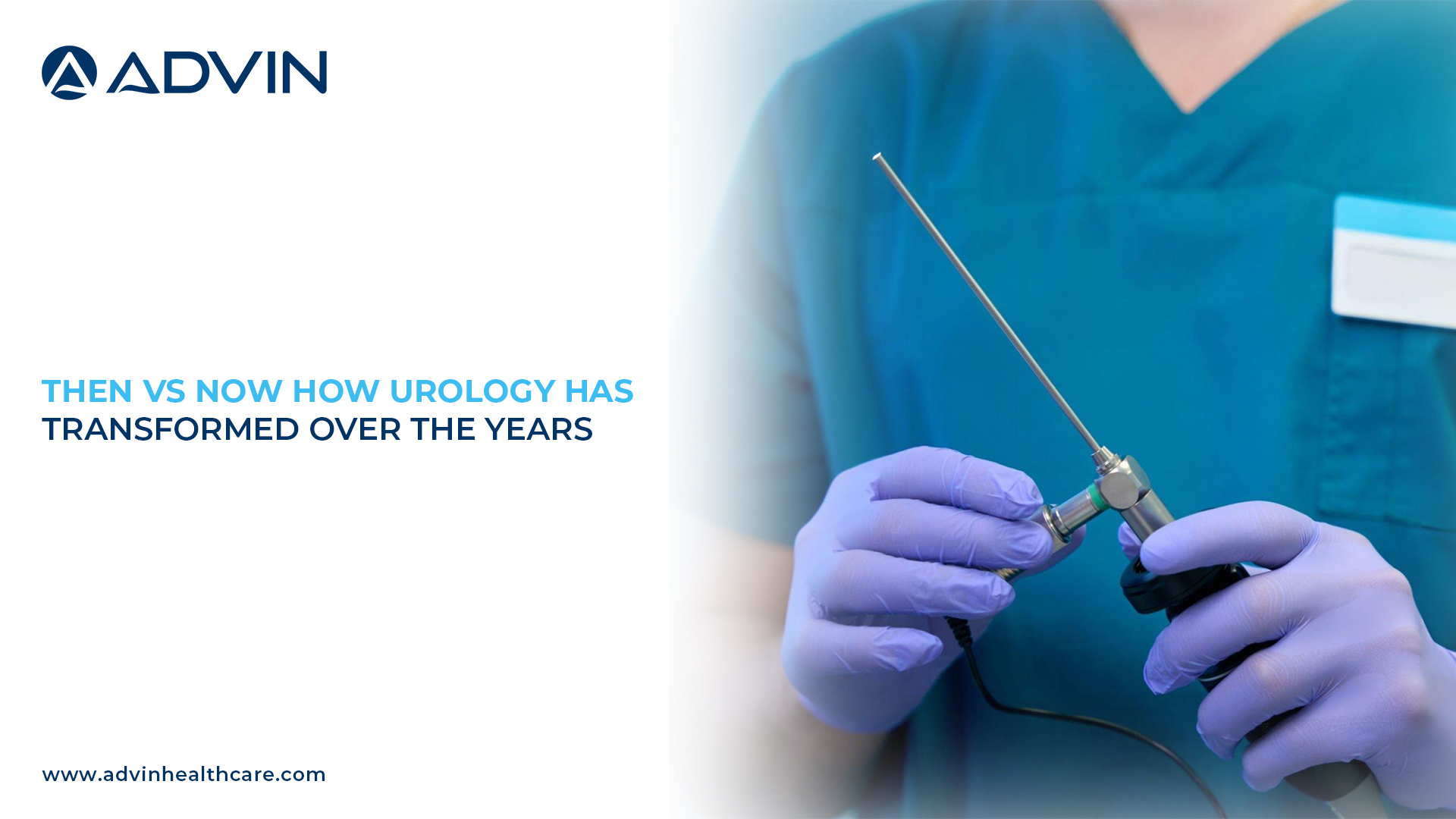
Introduction
Urology has undergone a dramatic transformation over the years, evolving from primitive and high-risk procedures into a highly advanced, technology-driven medical specialty. The comparison between “then” and “now” highlights how innovation, research, and medical advancements have revolutionized patient care, surgical precision, and treatment outcomes.
Diagnosis: Then vs Now
Then:
In earlier times, diagnosis relied heavily on symptoms and basic observation. Physicians used methods like urine inspection (uroscopy) without any internal visualization tools. This often led to inaccurate or delayed diagnoses.
Now:
Modern urology uses advanced diagnostic tools such as:
- High-definition imaging systems
- Endoscopic procedures like cystoscopy
- Ultrasound, CT scans, and MRI
These technologies allow early detection and accurate diagnosis of urological conditions, improving treatment success rates.
Surgical Techniques: Then vs Now
Then:
Urological surgeries were mostly open procedures involving large incisions, high pain levels, and long recovery periods. Risks such as infection and complications were very common due to limited medical knowledge.
Now:
Today, surgeries are minimally invasive and highly precise, including:
- Endoscopic procedures (TURP, URS, PCNL)
- Laser-based treatments
- Robotic-assisted surgeries
These advancements have reduced hospital stays, minimized pain, and improved patient safety.
Instruments: Then vs Now
Then:
Early urology instruments were simple, rigid, and manually operated. They lacked precision and were often reused without proper sterilization, increasing the risk of infection.
Now:
Modern instruments are:
- Highly precise and ergonomically designed
- Flexible and digital (HD endoscopes)
- Disposable for better hygiene
- Integrated with advanced imaging systems
Companies like Advin Health Care contribute to this evolution by developing innovative and high-quality urology devices.
Patient Experience: Then vs Now
Then:
Patients experienced:
- Severe pain during and after procedures
- Long hospital stays
- Higher complication rates
Now:
Patient care has improved significantly with:
- Minimally invasive treatments
- Faster recovery and shorter hospital stays
- Reduced pain and complications
- Better overall comfort and safety
Technology: Then vs Now
Then:
There was little to no use of advanced technology. Procedures were performed manually with limited visualization and control.
Now:
Technology is at the core of modern urology:
- Robotic surgical systems
- Laser technology for stone and prostate treatment
- AI-assisted diagnostics
- Smart and connected medical devices
These innovations have transformed urology into a highly efficient and precise medical field.
Treatment Outcomes: Then vs Now
Then:
Treatment outcomes were uncertain, with higher mortality and complication rates. Many conditions were difficult to treat effectively.
Now:
Modern urology offers:
- High success rates
- Safer procedures
- Early detection of diseases
- Long-term effective treatment solutions
Future Outlook
While the transformation has already been remarkable, the future promises even more advancements. Innovations in AI, robotics, and personalized medicine will continue to redefine urology, making treatments more targeted and patient-friendly.
Conclusion
The journey of urology from “then” to “now” is a powerful example of how medical science and technology can transform healthcare. What was once a high-risk and painful field has become a precise, safe, and patient-centric specialty.