 English
 Afrikaans
 Albanian
 Amharic
 Arabic
 Armenian
 Azerbaijani
 Basque
 Belarusian
 Bengali
 Bosnian
 Bulgarian
 Catalan
 Cebuano
 Chichewa
 Chinese (Simplified)
 Chinese (Traditional)
 Corsican
 Croatian
 Czech
Czech Danish
 Dutch
Dutch Esperanto
 Estonian
 Filipino
 Finnish
 French
 Frisian
 Galician
 Georgian
 German
 Greek
Greek Gujarati
 Haitian Creole
 Hausa
Hausa Hawaiian
 Hebrew
 Hindi
Hindi Hmong
Hmong Hungarian
 Icelandic
 Igbo
Igbo Indonesian
 Irish
Irish Italian
 Japanese
 Javanese
 Kannada
 Kazakh
 Khmer
Khmer Korean
 Kurdish (Kurmanji)
 Kyrgyz
 Lao
Lao Latin
Latin Latvian
 Lithuanian
 Luxembourgish
 Macedonian
 Malagasy
 Malay
Malay Malayalam
 Maltese
 Maori
Maori Marathi
 Mongolian
 Myanmar (Burmese)
 Nepali
 Norwegian
 Pashto
 Persian
 Polish
 Portuguese
 Punjabi
 Romanian
 Russian
 Samoan
 Scottish Gaelic
 Serbian
 Sesotho
 Shona
Shona Sindhi
 Sinhala
 Slovak
 Slovenian
 Somali
 Spanish
 Sudanese
 Swahili
 Swedish
 Tajik
Tajik Tamil
Tamil Telugu
 Thai
Thai Turkish
 Ukrainian
 Urdu
Urdu Uzbek
Uzbek Vietnamese
 Welsh
Welsh Xhosa
Xhosa Yiddish
 Yoruba
 Zulu
Zulu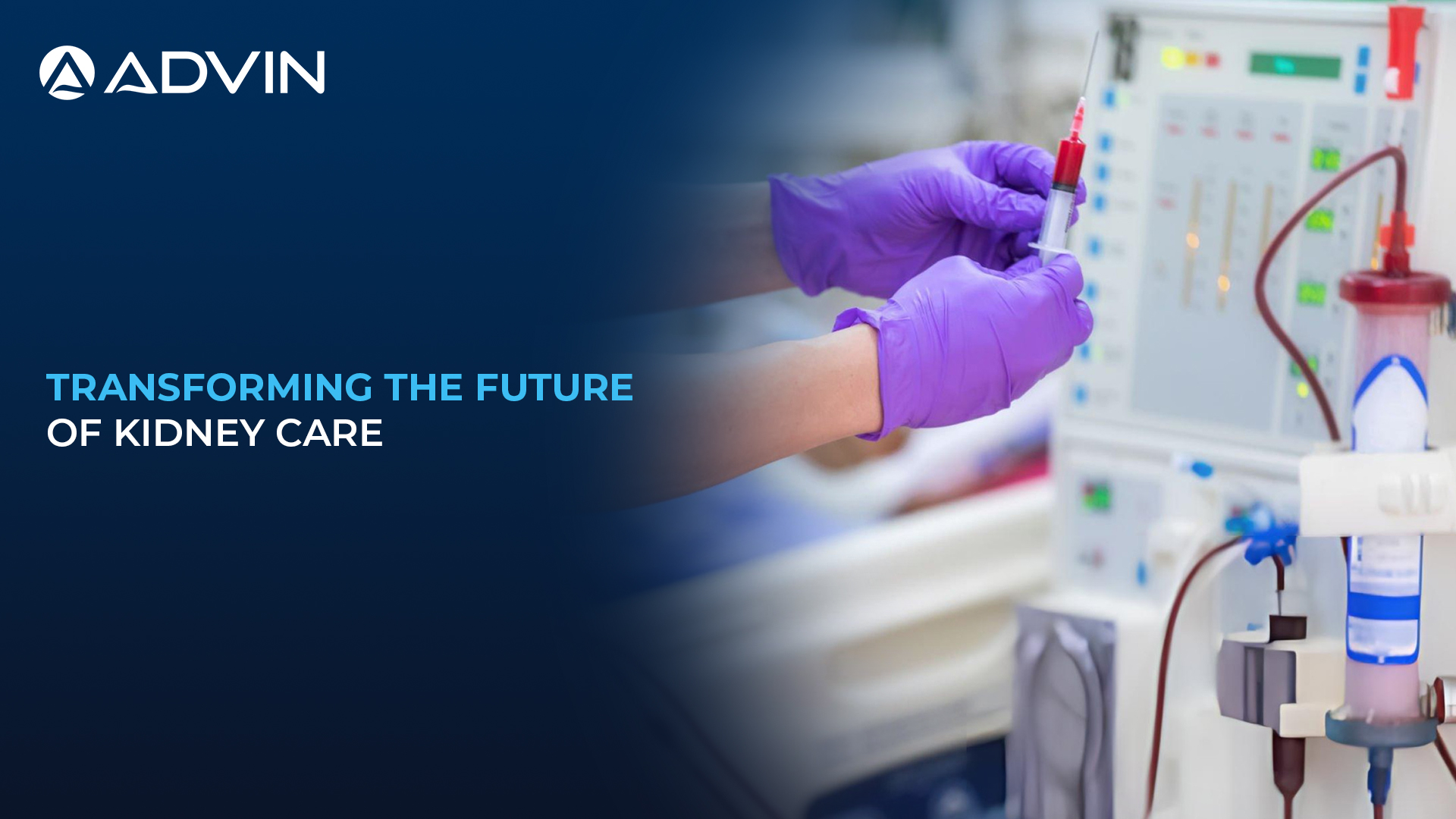
Hemodialysis has undergone remarkable technological advancement over the past decade, changing the way patients with kidney failure receive treatment. Modern innovations are focused not only on improving dialysis performance but also on enhancing patient comfort, reducing complications, and creating more flexible treatment options. Today’s hemodialysis systems combine intelligent automation, advanced filtration technologies, and digital monitoring to deliver safer and more effective kidney care.
Evolution of Modern Hemodialysis
Traditional hemodialysis was primarily designed to remove waste products and excess fluid from the blood. While effective, earlier systems required extensive manual monitoring and offered limited personalization. New-generation dialysis technology has introduced automated processes and precision-based treatment approaches that adapt to individual patient needs.
Modern dialysis machines are equipped with smart sensors and digital interfaces that continuously monitor blood flow, pressure levels, fluid balance, and treatment performance in real time. These systems help healthcare professionals make faster adjustments and improve overall treatment consistency.
Online Hemodiafiltration (HDF): A Major Breakthrough
One of the most significant developments in dialysis technology is Online Hemodiafiltration (HDF). This advanced therapy combines diffusion and convection methods to improve the removal of both small and larger molecular toxins from the bloodstream.
Compared to conventional hemodialysis, Online HDF offers several clinical advantages:
- Enhanced removal of middle and large molecular waste products
- Improved cardiovascular stability during treatment
- Better fluid management and blood purification
- Reduced treatment-related discomfort
- Potential improvement in long-term patient outcomes
Online HDF is increasingly being adopted in modern dialysis centers due to its ability to provide more efficient and comprehensive blood purification.
High-Flux Dialyzers and Advanced Membrane Technology
Dialyzer technology has also evolved significantly. High-flux dialyzers are designed with advanced membrane structures that allow more efficient toxin removal while maintaining safe filtration performance.
Modern biocompatible membranes provide several benefits:
- Reduced inflammatory response during treatment
- Improved compatibility with blood components
- Enhanced clearance of larger waste molecules
- Better patient tolerance during long-term dialysis
These improvements contribute to greater treatment effectiveness and support improved patient comfort.
Smart Monitoring and Automation in Dialysis Machines
Artificial intelligence and automated monitoring systems are becoming increasingly important in modern hemodialysis equipment.
Current dialysis platforms can monitor:
- Blood pressure and circulation patterns
- Fluid removal accuracy
- Dialysis dose delivery
- Temperature control
- Treatment alarms and safety indicators
Advanced software systems can analyze treatment data in real time and help clinicians optimize therapy settings. Predictive monitoring may also assist in identifying complications before symptoms become severe.
Portable and Home Hemodialysis Solutions
One of the most patient-focused innovations is the development of portable and home hemodialysis systems. These technologies allow patients to perform treatment outside traditional dialysis centers under guided medical supervision.
Benefits of home and portable dialysis include:
- Greater scheduling flexibility
- Increased independence for patients
- Reduced travel burden
- Improved lifestyle integration
- Potential for more frequent and personalized treatment sessions
This shift supports a more convenient and patient-centered approach to kidney care.
Advanced Water Purification and Safety Systems
Water quality remains one of the most critical factors in successful dialysis treatment. Modern dialysis facilities now utilize highly advanced water purification systems.
Today’s dialysis water systems commonly integrate:
- Sediment filtration
- Carbon filtration
- Water softening technology
- Reverse Osmosis (RO) purification
- Endotoxin filtration systems
These technologies help eliminate contaminants, reduce bacterial risk, and ensure ultra-pure water quality essential for safe hemodialysis procedures.
The Future of Hemodialysis
The future of kidney care is moving toward intelligent, portable, and highly personalized solutions. Researchers and medical device manufacturers are actively developing next-generation technologies such as wearable artificial kidneys, AI-assisted dialysis monitoring, remote patient management, and implantable kidney support systems.
These innovations aim to reduce treatment burden, improve clinical outcomes, and bring patients closer to a normal and independent lifestyle.
Advancing Toward Smarter and More Patient-Centered Hemodialysis
New technology in hemodialysis is redefining kidney treatment through smarter machines, advanced filtration methods, improved water purification, and greater patient mobility. As innovation continues, dialysis is becoming more efficient, comfortable, and personalized. The next generation of kidney care promises not only better treatment performance but also an improved quality of life for millions of patients worldwide.