 English
 Afrikaans
 Albanian
 Amharic
 Arabic
 Armenian
 Azerbaijani
 Basque
 Belarusian
 Bengali
 Bosnian
 Bulgarian
 Catalan
 Cebuano
 Chichewa
 Chinese (Simplified)
 Chinese (Traditional)
 Corsican
 Croatian
 Czech
Czech Danish
 Dutch
Dutch Esperanto
 Estonian
 Filipino
 Finnish
 French
 Frisian
 Galician
 Georgian
 German
 Greek
Greek Gujarati
 Haitian Creole
 Hausa
Hausa Hawaiian
 Hebrew
 Hindi
Hindi Hmong
Hmong Hungarian
 Icelandic
 Igbo
Igbo Indonesian
 Irish
Irish Italian
 Japanese
 Javanese
 Kannada
 Kazakh
 Khmer
Khmer Korean
 Kurdish (Kurmanji)
 Kyrgyz
 Lao
Lao Latin
Latin Latvian
 Lithuanian
 Luxembourgish
 Macedonian
 Malagasy
 Malay
Malay Malayalam
 Maltese
 Maori
Maori Marathi
 Mongolian
 Myanmar (Burmese)
 Nepali
 Norwegian
 Pashto
 Persian
 Polish
 Portuguese
 Punjabi
 Romanian
 Russian
 Samoan
 Scottish Gaelic
 Serbian
 Sesotho
 Shona
Shona Sindhi
 Sinhala
 Slovak
 Slovenian
 Somali
 Spanish
 Sudanese
 Swahili
 Swedish
 Tajik
Tajik Tamil
Tamil Telugu
 Thai
Thai Turkish
 Ukrainian
 Urdu
Urdu Uzbek
Uzbek Vietnamese
 Welsh
Welsh Xhosa
Xhosa Yiddish
 Yoruba
 Zulu
Zulu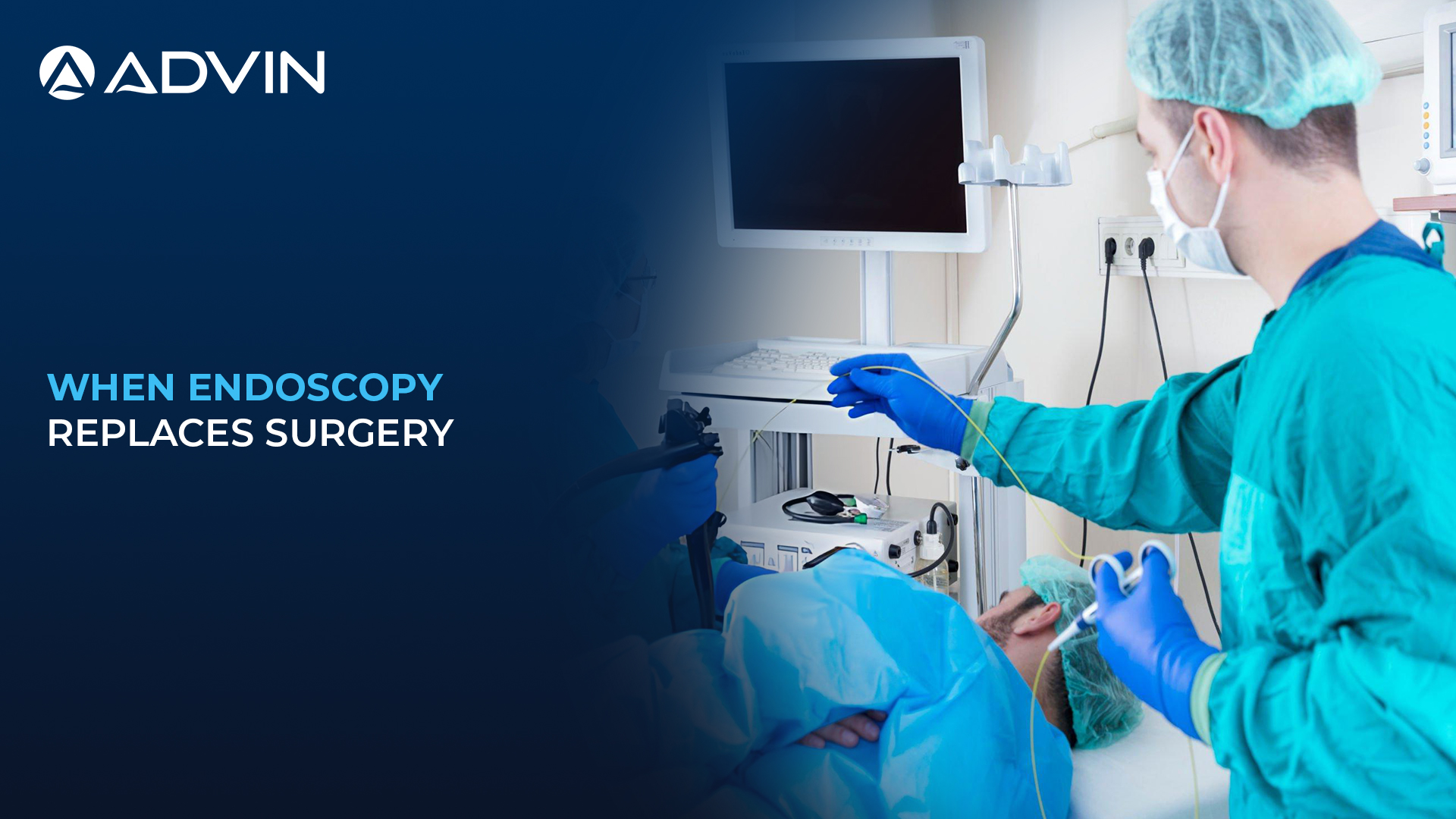
The Transformation of Gastrointestinal Care
Gastroenterology is witnessing one of the most significant shifts in modern medicine. Procedures that once required major surgery are increasingly being performed through advanced endoscopic techniques. From treating biliary disorders to managing gastrointestinal bleeding and removing early-stage lesions, endoscopy is helping physicians achieve excellent clinical outcomes with less trauma to patients.
The result is shorter hospital stays, faster recovery, lower complication rates, and improved patient comfort.
Why Minimally Invasive Treatment Is Expanding
Several factors are accelerating the adoption of therapeutic endoscopy worldwide:
- Growing demand for non-surgical treatment options
- Advances in endoscopic imaging and device technology
- Reduced healthcare costs compared to surgery
- Faster return to normal activities
- Improved procedural safety
- Better outcomes in elderly and high-risk patients
As healthcare systems continue to prioritize patient-centered care, minimally invasive GI procedures are becoming the preferred treatment pathway.
Conditions Increasingly Managed Through Endoscopy
Today, therapeutic endoscopy plays a major role in:
Biliary and Pancreatic Disorders
Many bile duct obstructions, strictures, and stone-related conditions can now be managed without open surgery. Devices such as ERCP Guide Wires, Sphincterotomes, Biliary Stents, and Stone Retrieval Systems help physicians access and treat the biliary system through natural pathways.
Gastrointestinal Bleeding
Advanced endoscopic therapies have largely replaced emergency surgical intervention for many GI bleeding cases. Technologies such as Multiband Ligator Systems, Hemostasis Devices, and Injection Needles allow rapid bleeding control during endoscopy.
Esophageal Narrowing and Swallowing Disorders
Patients suffering from benign strictures or swallowing difficulties can often be treated through endoscopic dilation procedures rather than surgical correction. Products such as Esophageal Balloon Dilators and Esophageal Dilator Sets play an important role in restoring normal food passage.
Tissue Diagnosis and Early Disease Detection
Modern endoscopy enables direct tissue sampling and early diagnosis of gastrointestinal diseases. Devices such as Biopsy Forceps and Cytology Brushes help clinicians identify abnormalities before they progress to advanced disease.
Disposable Endoscopy Accessories
Healthcare providers worldwide are increasingly adopting single-use accessories to strengthen infection control and improve workflow efficiency. Disposable consumables are becoming an important part of modern endoscopy practice.
Market Outlook
The global demand for therapeutic endoscopy continues to grow due to increasing rates of gastrointestinal cancers, gallstone disease, obesity-related conditions, and digestive disorders. As technology advances, more procedures will transition from the operating room to the endoscopy suite.
The future of gastroenterology is not simply about replacing surgery—it is about delivering safer, faster, and more effective treatment through minimally invasive innovation.
Advin Health Care’s Role
Advin Health Care supports this evolution through a comprehensive range of gastroenterology and endoscopy solutions, including ERCP accessories, biliary intervention products, dilation devices, biopsy instruments, and therapeutic endoscopy consumables. These products help healthcare professionals perform modern GI procedures with greater efficiency, reliability, and patient safety.