Hot Disinfection vs Cold Disinfection: Understanding the Key Differences

In healthcare settings—especially in dialysis centers—maintaining strict hygiene standards is critical to ensure patient safety and optimal equipment performance. Disinfection plays a vital role in preventing infections, and two commonly used methods are hot disinfection and cold disinfection.

Understanding the differences between these methods helps healthcare providers choose the most effective and safe approach.

What is Hot Disinfection?

  • Hot disinfection is a process that uses high-temperature water (typically between 80°C and 95°C) to eliminate microorganisms from medical equipment, such as dialysis machines and fluid pathways.
  • Modern dialysis machines are often equipped with automated hot disinfection systems, making the process efficient and reliable for routine use.

Benefits of Hot Disinfection

  • Highly effective against bacteria and most viruses
  • Chemical-free process, leaving no harmful residues
  • Safer for patients and staff due to absence of toxic chemicals
  • Cost-effective over time, as it reduces chemical consumption

Limitations

  • Requires advanced equipment with heating capability
  • May not eliminate certain heat-resistant spores
  • Involves higher energy consumption

What is Cold Disinfection?

  • Cold disinfection involves the use of chemical disinfectants at room temperature to kill microorganisms. It is widely used in facilities where hot disinfection is not available or as a supplementary method.
  • Common disinfectants include peracetic acid, formaldehyde, sodium hypochlorite, and glutaraldehyde.

Benefits of Cold Disinfection

  • Broad-spectrum effectiveness, including some resistant organisms
  • Suitable for older equipment without heating systems
  • Lower energy requirement compared to hot disinfection

Limitations

  • Risk of chemical residues if rinsing is inadequate
  • Requires careful handling and safety protocols
  • Can lead to equipment wear or corrosion over time
  • Typically involves longer processing time

Key Differences Between Hot and Cold Disinfection

Feature Hot Disinfection Cold Disinfection
Method High-temperature water           Chemical agents
Temperature      80°C – 95°C          Room temperature
Residue Risk             None                Possible
Effectiveness Bacteria & viruses   Broad (including some spores)
Equipment Required Advanced machines          Standard equipment
Safety            High           Requires precautions
Operating Cost Lower (long-term) Higher (chemical recurring)

Which Method is Better?

There is no one-size-fits-all answer. In practice:

  • Hot disinfection is ideal for daily routine cleaning, offering a safe and residue-free process.
  • Cold disinfection is often used for periodic deep disinfection or when dealing with resistant microorganisms.

Most modern healthcare facilities adopt a combined approach, using both methods to ensure maximum infection control and compliance with safety standards.

Conclusion

Both hot and cold disinfection methods play essential roles in healthcare hygiene management. While hot disinfection provides a safer and more convenient solution for routine use, cold disinfection remains valuable for its broad-spectrum effectiveness.

Choosing the right method—or a combination of both—ensures not only compliance with hygiene protocols but also enhances patient safety and extends the life of medical equipment.

Explore More Products>>

Get Connected:

+91-75037 27249 | dialysis@advinhealthcare.com | www.advinhealthcare.com
Femoral Introducer Sheath vs Transradial Sheath: Which Vascular Access Option is Right for Cardiology Procedures?

Introduction

In interventional cardiology, vascular access is a critical step that directly impacts procedural success, patient safety, and recovery time. The Femoral Introducer Sheath and the Transradial Sheath are two widely used devices that enable safe and efficient access to the vascular system during procedures such as angiography and angioplasty.

While both serve the same fundamental purpose, their clinical approach, patient comfort, and procedural advantages differ significantly. Understanding these differences helps in selecting the most appropriate device based on patient condition and procedural requirements.

 Product Overview

🔹 Femoral Introducer Sheath

The Femoral Introducer Sheath is a traditional vascular access device inserted through the femoral artery in the groin. It is commonly used in cardiology procedures that require strong support and flexibility, particularly in complex interventions.

🔹 Transradial Sheath

The Transradial Sheath is designed for vascular access via the radial artery in the wrist. It has gained widespread acceptance due to its minimally invasive approach, improved patient comfort, and lower risk of complications.

Quick Comparison Table

Feature Femoral Introducer Sheath Transradial Sheath
Access Site Femoral artery (Groin) Radial artery (Wrist)
Procedure Approach Traditional Minimally invasive
Patient Comfort Moderate High
Mobility After Use Restricted Early mobility
Bleeding Control Moderate complexity Easier management
Recovery Time Longer Faster
Clinical Use Complex procedures Routine & minimally invasive


Key Feature Comparison

  1. Access Technique

The Femoral Introducer Sheath uses groin-based access, providing a direct and well-established pathway for vascular entry. In contrast, the Transradial Sheath utilizes wrist-based access, enabling a less invasive and more patient-friendly approach.

  1. Patient Comfort

Patients undergoing procedures with a femoral approach typically require longer immobilization. On the other hand, the transradial approach allows early movement, significantly improving overall comfort.

  1. Bleeding Management

Femoral access carries a relatively higher risk of bleeding complications due to deeper vessel entry. Transradial access offers easier bleeding control and reduced complication risk.

  1. Recovery & Mobility

Recovery time is generally longer with femoral access due to movement restrictions. Transradial access enables faster recovery and early ambulation.

  1. Clinical Versatility

The femoral approach is preferred for complex and high-support procedures, whereas the transradial approach is ideal for routine and minimally invasive interventions.

Common Features

Both devices share essential features that ensure reliability and safety in cardiology procedures:

  • Provide safe and efficient vascular access
  • Designed for smooth insertion with minimal vessel trauma
  • Compatible with standard interventional cardiology tools
  • Ensure stable device positioning during procedures
  • Support controlled and efficient workflow
  • Sterile, single-use design for enhanced patient safety

Key Differences

  • Access Site: Groin vs Wrist
  • Patient Mobility: Restricted vs Early movement
  • Bleeding Risk: Higher vs Lower
  • Comfort Level: Moderate vs High
  • Procedure Type: Complex vs Minimally invasive

Which One Should You Choose?

Choose Femoral Introducer Sheath when:

    • Complex procedures requiring strong support are involved
    • Multiple device handling is needed
    • A traditional access route is preferred

Choose Transradial Sheath when:

    • Patient comfort is a priority
    • Faster recovery and early discharge are desired
    • Lower bleeding risk is important
    • Minimally invasive procedures are preferred

Conclusion

Both the Femoral Introducer Sheath and Transradial Sheath are essential components of modern interventional cardiology. While the femoral approach remains crucial for complex procedures, the transradial approach is increasingly preferred due to its safety, efficiency, and patient-friendly benefits.

Selecting the right device based on clinical needs ensures improved procedural outcomes, enhanced patient experience, and overall treatment success.

Explore More Products>>

Get Connected:

+91-75037 27248 | cardiology@advinhealthcare.com | www.advinhealthcare.com
Pyeloplasty Surgery Set – Complete Urology Kit for UPJ Obstruction Treatment Procedures

Clinical Purpose of Pyeloplasty Procedure

The Pyeloplasty Set is a comprehensive surgical solution designed for the correction of ureteropelvic junction (UPJ) obstruction and restoration of unobstructed urinary drainage from the renal pelvis to the ureter. It supports precise dissection, reconstruction, suturing, and internal drainage, ensuring effective anatomical repair and long-term functional outcomes. This set is suitable for open, laparoscopic, and minimally invasive urological reconstructive procedures.

Evolution of Reconstructive Techniques in Pyeloplasty Systems

Pyeloplasty has evolved from conventional open surgery to advanced minimally invasive laparoscopic and robotic-assisted approaches. Traditional open pyeloplasty offered excellent success rates but required larger incisions and longer recovery.

With the introduction of HD visualization systems and refined microsurgical instruments, modern pyeloplasty now allows precise tissue handling, reduced morbidity, and faster patient recovery. The addition of internal drainage using Double J stents has further improved healing and reduced post-operative complications.

System Components and Functional Integration of Pyeloplasty Set

Equipment

  • Advin HD Camera System
  • Medical Monitor 24″ / 27″
  • LED Light Source

Instruments

  • Needle Holder (TC)
  • Dissecting Forceps
  • Mastoid Retractor

Disposables

  • Double J Stent (Single / Multiloop / Silicone)
  • Double J Stent Set
  • Guide Wire 0.028 / 0.032 / 0.035 / 0.038 – 150 cm
  • Foley Balloon Catheter 2 Way 12–24 FG
  • Urine Collecting Bag

Drapes

  • Major Surgery Drape
  • Laparoscopy Drape

Clinical Applications of Pyeloplasty Surgery

  • Treatment of UPJ obstruction
  • Reconstruction of renal pelvis to ureter junction
  • Congenital pelviureteric junction stenosis
  • Management of recurrent hydronephrosis
  • Pediatric and adult reconstructive urology

Instructions for Use of Pyeloplasty System

  • Set up the Advin HD Camera System, connect it to the medical monitor, and attach the LED light source for clear surgical visualization. 
  • Prepare the surgical field using major surgery and laparoscopy drapes to maintain sterility. 
  • Use the mastoid retractor to provide adequate exposure of the pelvi-ureteric junction (PUJ). 
  • Perform careful dissection with dissecting forceps to identify the renal pelvis and ureter. 
  • Excise the narrowed PUJ segment and prepare both ends for reconstruction. 
  • Insert a guide wire followed by a Double J stent (single, multiloop, or silicone) across the anastomosis for internal drainage. 
  • Complete the pelvic-ureteric reconstruction using sutures with the needle holder (TC)
  • Ensure a tension-free watertight anastomosis with proper stent positioning. 
  • Insert a Foley catheter for bladder drainage after the procedure. 
  • Connect to a urine collecting bag to monitor postoperative urine output. 
  • After completion, clean and sterilize all reusable instruments properly.

Key Global Markets with High Adoption of Pyeloplasty Procedures

  • United States
  • Germany
  • India
  • Japan
  • United Kingdom

Clinical Advantages of Pyeloplasty Technique.

  • Gold standard treatment for UPJ obstruction
  • High long-term success rate
  • Effective restoration of urinary drainage
  • Suitable for pediatric and adult patients
  • Compatible with open, laparoscopic, and robotic surgery
  • Faster recovery with minimally invasive approaches

Advin Health Care Pyeloplasty Product Portfolio Overview

Advin Health Care offers a complete Pyeloplasty Set engineered for precision, safety, and efficiency in reconstructive urology. With high-quality surgical instruments, reliable stenting solutions, and advanced visualization support, the set enables surgeons to perform accurate UPJ reconstruction while maintaining international quality standards.

Explore More Products>>

Get Connected:

+91-70717 27261 | urology@advinhealthcare.com | www.advinhealthcare.com
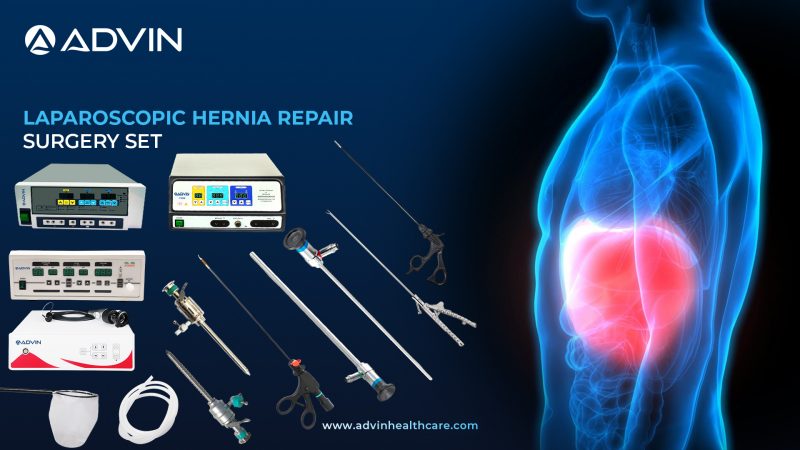
Ureteric Reimplantation Surgery Set – Surgical Solution for Ureteral Reimplantation Technique

Clinical Purpose of Ureteric Reimplantation Procedure

The Ureteric Reimplantation Set is a comprehensive surgical solution designed for the correction of ureteral abnormalities by reimplanting the ureter into the bladder. It is commonly used in cases of vesicoureteral reflux (VUR), ureteral injury, or obstruction. This set integrates essential surgical instruments, visualization support, and disposables to ensure precise dissection, secure anastomosis, and effective restoration of urinary flow with optimal patient outcomes.

Evolution of Reconstructive Urology Techniques for Ureteric Reimplantation

Ureteric reimplantation has evolved from traditional open surgeries to more refined surgical approaches with improved instrumentation and visualization. Earlier procedures involved larger incisions and longer recovery periods.

Modern techniques focus on precision, minimal tissue trauma, and improved suturing methods. With advancements in surgical instruments and imaging support, ureteric reimplantation now offers higher success rates, reduced complications, and faster recovery. In some cases, laparoscopic and robotic-assisted approaches are also adopted.

System Components and Functional Integration of Ureteric Reimplantation Set

Equipment

  • Advin HD Camera System
  • Medical Monitor 24″ / 27″

Instruments

  • Needle Holder (TC)
  • Dissecting Forceps
  • Mastoid Retractor

Disposables

  • Ureteric Catheter (All Sizes)
  • Foley Balloon Catheter 2 Way 12–24 FG
  • Urine Collecting Bag

Drapes

  • Major Surgery Drape
  • Urology Drape

Clinical Applications of Ureteric Reimplantation Surgery

  • Treatment of vesicoureteral reflux (VUR)
  • Management of ureteral obstruction or stricture
  • Repair of ureteral injury or trauma
  • Reconstruction of ureterovesical junction
  • Pediatric and adult urological reconstructive surgery

Instructions for Use of Ureteric Reimplantation System

  • Set up the Advin HD Camera System and connect it to the medical monitor if visualization support is required during the procedure. 
  • Prepare the surgical field using major surgery and urology drapes to maintain full sterility. 
  • Use the mastoid retractor to provide proper exposure of the surgical area. 
  • Perform tissue dissection carefully using dissecting forceps to identify and mobilize the ureter. 
  • Place a ureteric catheter to help identify the ureter and maintain patency during reconstruction. 
  • Reimplant the ureter into the bladder and secure it using sutures with the needle holder (TC)
  • Ensure proper positioning and tension-free anastomosis of the ureter. 
  • Insert a Foley catheter for bladder drainage after completion of the procedure. 
  • Connect to a urine collecting bag to monitor postoperative urine output. 
  • After completion, clean and sterilize all reusable instruments properly.

Key Global Markets with High Adoption of Ureteric Reimplantation Procedures

  • United States
  • Germany
  • India
  • United Kingdom
  • Japan

Clinical Advantages of Ureteric Reimplantation Technique

  • Effective correction of ureteral reflux and obstruction
  • High long-term success rate
  • Restoration of normal urinary flow
  • Reduced risk of recurrent infections
  • Applicable in both pediatric and adult patients
  • Adaptable to open, laparoscopic, and robotic approaches

Advin Health Care Ureteric Reimplantation Product Portfolio Overview

Advin Health Care offers a complete Ureteric Reimplantation Set designed for precision, reliability, and efficiency in reconstructive urological surgery. With high-quality surgical instruments and essential disposables, the set supports surgeons in achieving safe and successful outcomes while maintaining international quality standards.

Explore More Products>>

Get Connected:

+91-70717 27261 | urology@advinhealthcare.com | www.advinhealthcare.com
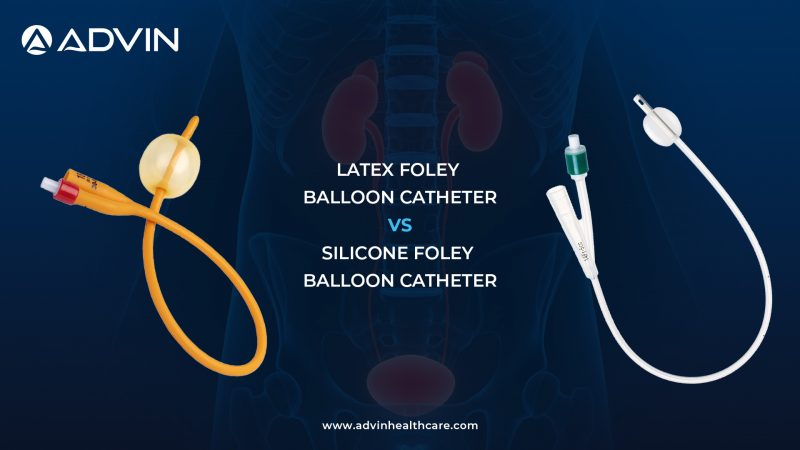
Cystolithotripsy Surgery Set – Safe and Effective Bladder Stone Management Solution

Clinical Purpose of Cystolithotripsy (Bladder Stone Surgery)

The Cystolithotripsy Set is a comprehensive endoscopic solution designed for the fragmentation and removal of bladder stones using minimally invasive techniques. It integrates advanced lithotripsy systems (laser and pneumatic), high-definition visualization, and precision instruments to ensure effective stone disintegration, safe extraction, and improved patient outcomes. This set supports efficient management of vesical calculi with minimal trauma and faster recovery.

Evolution of Lithotripsy Technology in Endoscopic Bladder Stone Management

Bladder stone management has evolved from open surgical removal (cystolithotomy) to minimally invasive endoscopic procedures. Earlier techniques required large incisions and prolonged recovery.

With the introduction of cystoscopy-guided lithotripsy, including pneumatic and Holmium laser technologies, bladder stones can now be fragmented and removed endoscopically. Modern systems provide better visualization, precise fragmentation, and reduced complications, making cystolithotripsy the preferred standard of care.

System Components and Functional Integration of Cystolithotripsy Set

Equipment

  • Holmium Laser Machine (30W–160W)
  • Advin Lithotripter – Digital
  • Semi Digital Lithotripter
  • Advin HD Camera System
  • Medical Monitor 24″ / 27″
  • LED Light Source

Istruments

  • Cystoscope 4 mm / 0° × 300 mm
  • Cystoscope 4 mm / 30° × 300 mm
  • Cystoscope Sheath with Obturator
  • Litho Bridge
  • Stone Punch Set
  • Stone Crushing Forceps
  • Glass Ellik Bottle

Disposabes

  • Laser Fiber Optic
  • Stone Collector
  • Foley Balloon Catheter (2 Way / 3 Way) 12–24 FG
  • Urine Collecting Bag

Drapes

  • Cystoscopy Drape
  • Lithotomy Drape
  • Under Buttock Drape

Clinical Applications of Cystolithotripsy Procedure

  • Treatment of bladder stones (vesical calculi)
  • Fragmentation of large bladder stones
  • Removal of residual or recurrent bladder stones
  • Management of urinary obstruction due to stones
  • Endoscopic bladder stone clearance

Instructions for Use of Cystolithotripsy System

  • Set up the Holmium Laser Machine or Advin Lithotripter (Digital / Semi-Digital) and connect the required probe or laser fiber optic for stone fragmentation. 
  • Connect the Advin HD Camera System to the medical monitor, and attach the LED light source for clear visualization. 
  • Assemble the cystoscope (0° or 30°) with sheath and obturator and introduce it into the bladder. 
  • Attach the litho bridge to allow insertion of lithotripsy instruments. 
  • Identify bladder stones under direct visualization through the cystoscope. 
  • Use the laser fiber or lithotripter probe to fragment the stones into smaller pieces. 
  • Use stone punch or crushing forceps if required for mechanical fragmentation. 
  • Remove stone fragments using a stone collector or Ellik bottle to clear the bladder. 
  • Insert a Foley catheter (2-way or 3-way) after the procedure for drainage and optional irrigation. 
  • Connect to a urine collecting bag to monitor postoperative urine output. 
  • Maintain sterility using cystoscopy, lithotomy, and under buttock drapes throughout the procedure. 
  • After completion, clean and sterilize all reusable instruments properly.

Key Global Markets with High Adoption of Cystolithotripsy Systems

  • United States
  • Germany
  • India
  • Japan
  • Middle East Countries

Clinical Advantages of Laser and Pneumatic Cystolithotripsy

  • Minimally invasive bladder stone treatment
  • Dual technology option (laser + pneumatic)
  • Effective fragmentation of all stone types
  • Reduced patient morbidity and faster recovery
  • High success rate with complete stone clearance
  • Cost-effective and widely adaptable

Advin Health Care Cystolithotripsy Product Portfolio Overview

Advin Health Care offers a complete Cystolithotripsy Set engineered for precision, safety, and efficiency in bladder stone management. With advanced lithotripsy systems, high-quality cystoscopic instruments, and reliable disposables, the set enables urologists to perform effective and minimally invasive stone removal procedures while maintaining international quality standards.

Explore More Products>>

Get Connected:

+91-70717 27261 | urology@advinhealthcare.com | www.advinhealthcare.com
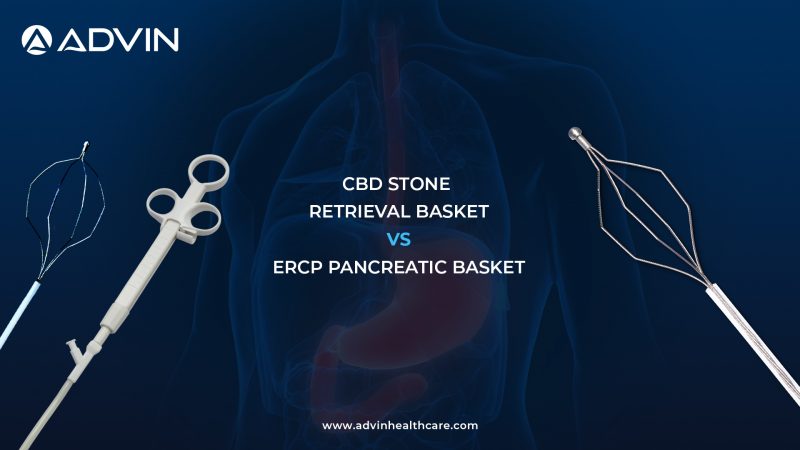
Thulium Laser Enucleation of Prostate Surgery Set – Complete Solution for Precision Laser Prostate Enucleation

Clinical Purpose of ThuLEP (Thulium Laser Enucleation of Prostate)

The ThuLEP Set is a comprehensive surgical solution designed for the treatment of benign prostatic hyperplasia (BPH) using advanced Thulium laser technology. It enables precise enucleation of enlarged prostate tissue with continuous laser emission, providing excellent cutting accuracy and superior hemostasis. This system integrates high-definition visualization, laser energy delivery, and efficient tissue removal to ensure safe, controlled, and effective prostate surgery.

Evolution of Thulium Laser Technology in Prostate Enucleation

Prostate surgery has progressed from open prostatectomy to minimally invasive techniques like TURP and laser-based procedures. While HoLEP introduced pulsed laser enucleation, Thulium laser technology offers continuous wave emission, allowing smoother and more controlled tissue dissection.

ThuLEP represents the next evolution in laser prostate surgery, providing precise incision, minimal bleeding, and improved visibility. Its continuous energy delivery allows surgeons to perform refined enucleation with enhanced control, making it an increasingly preferred technique in modern urology.

System Components and Functional Integration of ThuLEP Set

Equipment

  • Thulium Laser Machine
  • Advin HD Camera System
  • Medical Monitor 24″ / 27″
  • LED Light Source
  • Fiber Optic Cable

Instruments

  • TURP / Resectoscope
  • Laser Working Element
  • TURP Resectoscope Sheath 26 Fr
  • Urology Morcellator Set
  • Glass Ellik Bottle
  • Plastic Ellik Bottle

Disposables

  • Laser Fiber Optic
  • TUR Irrigation Set
  • Foley Balloon Catheter 3 Way 12–24 FG
  • Urine Collecting Bag

Drapes

  • TUR Drape
  • Lithotomy Drape
  • Under Buttock Drape

Clinical Applications of ThuLEP Procedure

  • Treatment of benign prostatic hyperplasia (BPH)
  • Enucleation of small to large prostate glands
  • Relief of urinary obstruction
  • Laser-based alternative to TURP and HoLEP
  • Precision prostate tissue removal with minimal bleeding

Instructions for Use of ThuLEP System

  • Set up the Thulium Laser Machine and connect the laser fiber optic for continuous laser energy delivery. 
  • Connect the Advin HD Camera System to the medical monitor, and attach the LED light source with fiber optic cable for clear visualization. 
  • Assemble the TURP resectoscope with 26 Fr sheath and insert the laser working element
  • Introduce the resectoscope through the urethra to access the prostate under direct vision. 
  • Start saline irrigation using the TUR irrigation set to maintain a clear surgical field. 
  • Use the thulium laser fiber to precisely enucleate prostate tissue layer by layer. 
  • Push the enucleated tissue into the bladder and remove it using the urology morcellator
  • Use the Ellik bottle if required for additional evacuation of tissue fragments. 
  • Insert a 3-way Foley catheter after the procedure for continuous irrigation and drainage. 
  • Connect to a urine collecting bag to monitor urine output post-surgery. 
  • Maintain sterility using TUR, lithotomy, and under buttock drapes throughout the procedure. 
  • After completion, clean and sterilize all reusable instruments properly.

Key Global Markets with High Adoption of ThuLEP Systems

  • Germany
  • Italy
  • Japan
  • India
  • South Korea

Clinical Advantages of ThuLEP Technology

  • Continuous wave laser for smooth and precise cutting
  • Excellent hemostasis with minimal bleeding
  • Enhanced visibility during surgery
  • Suitable for all prostate sizes
  • Reduced operative time in experienced hands
  • Faster recovery and shorter hospital stay

Advin Health Care ThuLEP Product Portfolio Overview

Advin Health Care offers a complete ThuLEP Set engineered for precision, control, and advanced laser prostate surgery. With high-performance Thulium laser systems, superior visualization, and reliable instrumentation, the set enables urologists to perform safe and efficient prostate enucleation while maintaining international quality standards.

Explore More Products>>

Get Connected:

+91-70717 27261 | urology@advinhealthcare.com | www.advinhealthcare.com
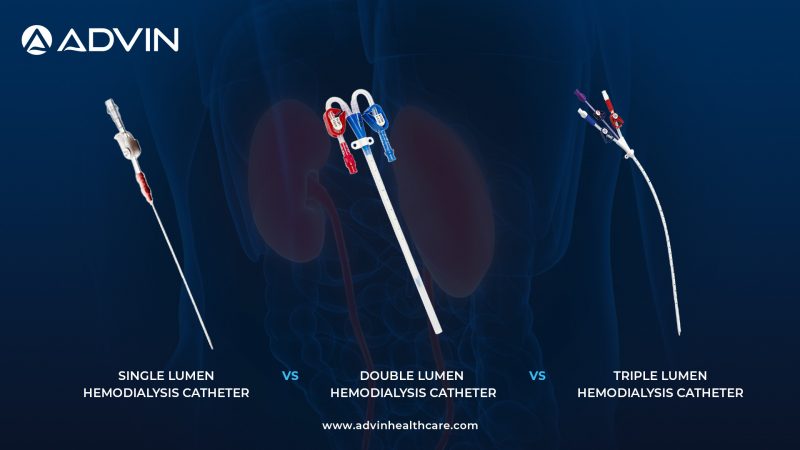
Suprapubic Cystostomy Surgery Set – Complete Urology Set for Suprapubic Catheterization Procedures

Clinical Purpose

The SPC Set is a specialized surgical solution designed for establishing suprapubic urinary drainage directly into the bladder through the abdominal wall. It is commonly used in cases where urethral catheterization is not possible or contraindicated. This set includes essential instruments, catheters, and disposables to ensure safe bladder access, efficient urine drainage, and improved patient comfort in both emergency and long-term urinary management.

Evolution of Suprapubic Catheterization

Suprapubic cystostomy has evolved from open surgical procedures to minimally invasive percutaneous techniques using trocar-based systems. Earlier approaches required larger incisions and longer recovery times.

Modern SPC techniques utilize guided trocar insertion, improved catheter materials (latex and silicone), and sterile procedural setups to enhance safety, reduce complications, and enable bedside or outpatient procedures. Today, SPC is widely used for long-term bladder drainage and in cases of urethral obstruction.

Set Components and Functional Integration

Instruments

  • SPC Trocar / Suprapubic Trocar – Metal

Disposables

  • Suprapubic Catheter Set (Latex / Silicone)
  • Foley Balloon Catheter 2 Way 12–24 FG
  • Urine Collecting Bag
  • Urine Leg Bag

Drapes

  • Cystoscopy Drape
  • Lithotomy Drape
  • Under Buttock Drape

Clinical Applications

  • Urinary retention when urethral catheterization fails
  • Urethral obstruction or injury
  • Long-term bladder drainage
  • Neurogenic bladder management
  • Post-operative urinary diversion

Instructions for Use (SPC – Suprapubic Cystostomy, Short & Smart Workflow)

  • Prepare the surgical area using cystoscopy, lithotomy, and under buttock drapes to maintain a sterile field. 
  • Identify the suprapubic entry site and ensure the bladder is adequately filled for safe access. 
  • Insert the SPC trocar (metal suprapubic trocar) through the lower abdominal wall into the bladder under controlled guidance. 
  • Once access is confirmed, introduce the suprapubic catheter (latex or silicone) through the trocar into the bladder. 
  • Remove the trocar carefully while keeping the catheter in place. 
  • Inflate the catheter balloon to secure it inside the bladder. 
  • Connect the catheter to a urine collecting bag or urine leg bag for continuous drainage. 
  • Use a Foley catheter additionally if required for urethral drainage support. 
  • Ensure proper fixation of the catheter to avoid displacement. 
  • After completion, dispose of single-use items and clean reusable instruments properly.

Countries with High Clinical Adoption

  • United States
  • Germany
  • India
  • United Kingdom
  • Middle East Countries

Key Clinical Advantages

  • Simple and minimally invasive procedure
  • Effective alternative to urethral catheterization
  • Suitable for long-term bladder management
  • Reduced risk of urethral trauma
  • Can be performed bedside or in OT
  • Improved patient comfort and mobility

Advin Health Care Product Overview

Advin Health Care offers a complete SPC Set designed for safety, reliability, and ease of use in suprapubic catheterization procedures. With high-quality trocars, durable catheter options, and essential disposables, the set enables healthcare professionals to perform efficient bladder drainage while maintaining international quality standards.

Explore More Products>>

Get Connected:

+91-70717 27261 | urology@advinhealthcare.com | www.advinhealthcare.com
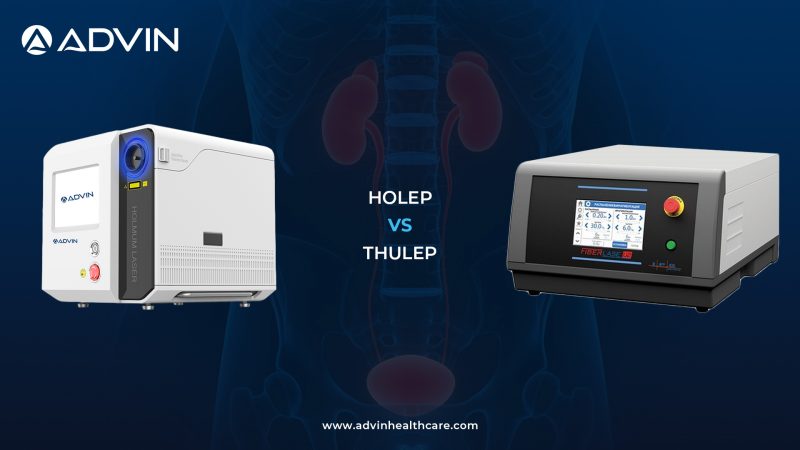
Holmium Laser Enucleation of Prostate Surgery Set – Complete Solution for Advanced Laser Prostate Surgery

Clinical Purpose of HoLEP (Holmium Laser Enucleation of Prostate)

The HoLEP Set is a comprehensive surgical solution designed for the treatment of benign prostatic hyperplasia (BPH) using advanced Holmium laser technology. It enables precise enucleation of enlarged prostate tissue followed by efficient morcellation and removal. This system integrates high-power laser equipment, advanced visualization, and specialized instruments to ensure superior hemostasis, complete tissue removal, and improved patient outcomes in minimally invasive prostate surgery.

Evolution of Laser Technology in Prostate Enucleation (HoLEP Systems)

Prostate surgery has evolved from open prostatectomy to minimally invasive endoscopic techniques such as TURP. While TURP remains effective, it has limitations in managing large prostate glands.

The introduction of HoLEP marked a significant advancement, allowing complete anatomical enucleation of prostate tissue regardless of size. With the use of Holmium laser, surgeons achieve precise cutting, excellent hemostasis, and reduced bleeding. The addition of morcellation systems further enhances efficiency by enabling rapid removal of enucleated tissue. Today, HoLEP is considered a gold standard for large prostate management.

System Components and Functional Integration of HoLEP Set

Equipment

  • Holmium Laser Machine (30W / 60W / 100W / 120W / 160W)
  • Advin HD Camera System
  • USB Camera System
  • Endoscopy Video Recorder
  • Medical Monitor 24″ / 27″
  • LED Light Source
  • Fiber Optic Cable

Instruments

  • TURP / Resectoscope
  • Laser Working Element
  • TURP Resectoscope Sheath 26 Fr
  • Urology Morcellator Set
  • Glass Ellik Bottle
  • Plastic Ellik Bottle
  • Toomey Glass Syringe 50 ml / 100 ml

Disposables

  • Laser Fiber Optic
  • TUR Irrigation Set
  • Foley Balloon Catheter 3 Way Latex 12–22 FG
  • Foley Balloon Catheter 3 Way Silicone 16–24 FG
  • Urine Collecting Bag
  • Urometer

Drapes

  • TUR Drape
  • Lithotomy Drape
  • Under Buttock Drape
  • Universal Split Drape

Clinical Applications of HoLEP Procedure

  • Treatment of benign prostatic hyperplasia (BPH)
  • Management of large prostate glands
  • Complete prostate tissue enucleation
  • Relief of urinary obstruction
  • Alternative to TURP and open prostatectomy
Instructions for Use of HoLEP System
  • Set up the Holmium Laser Machine and connect the laser fiber optic for precise laser energy delivery. 
  • Connect the Advin HD Camera System or USB Camera System to the medical monitor, and attach the LED light source with fiber optic cable for clear visualization. 
  • Assemble the TURP resectoscope with 26 Fr sheath and insert the laser working element
  • Introduce the resectoscope through the urethra to access the prostate under direct vision. 
  • Start saline irrigation using the TUR irrigation set to maintain a clear surgical field. 
  • Use the holmium laser fiber to enucleate enlarged prostate tissue from the capsule. 
  • Push enucleated tissue into the bladder and use the urology morcellator to fragment and remove tissue. 
  • Use the Ellik bottle or Toomey syringe if required for additional evacuation of tissue fragments. 
  • Insert a 3-way Foley catheter after the procedure for continuous irrigation and drainage. 
  • Connect to a urine collecting bag or urometer to monitor urine output post-surgery. 
  • Maintain sterility using TUR, lithotomy, under buttock, and split drapes throughout the procedure. 
  • After completion, clean and sterilize all reusable instruments properly.

Key Global Markets with High Adoption of HoLEP Systems

  • United States
  • Germany
  • Japan
  • India
  • South Korea

Clinical Advantages of HoLEP Technology

  • Gold standard for large prostate treatment
  • Complete anatomical enucleation
  • Excellent hemostasis with minimal bleeding
  • Suitable for all prostate sizes
  • Reduced hospital stay and catheterization time
  • Lower reoperation rates compared to TURP

Advin Health Care HoLEP Product Portfolio Overview

Advin Health Care offers a complete HoLEP Set engineered for precision, efficiency, and advanced laser prostate surgery. With high-performance Holmium laser systems, superior visualization, and robust instrumentation, the set enables urologists to perform safe, effective, and modern prostate enucleation procedures while maintaining international quality standards.

Explore More Products>>

Get Connected:

+91-70717 27261 | urology@advinhealthcare.com | www.advinhealthcare.com
Optical Internal Urethrotomy Surgery Set – Comprehensive Solution for Urethral Stricture Management

Clinical Purpose of OIU (Optical Internal Urethrotomy)

The OIU Set is a specialized endoscopic solution designed for the treatment of urethral strictures through optical internal urethrotomy. It integrates high-definition visualization systems, precision urethrotomy instruments, and essential accessories to enable accurate incision of fibrotic urethral tissue, restoring normal urinary flow. This set ensures minimally invasive treatment, improved patient comfort, and effective clinical outcomes in urethral stricture management.

Evolution of Endoscopic Urethrotomy Technology

Urethral stricture management has evolved from open surgical reconstruction to minimally invasive endoscopic techniques. Traditional approaches involved extensive surgery with longer recovery times.

With the introduction of optical internal urethrotomy, surgeons can now directly visualize and incise strictures using endoscopic instruments. Modern advancements in optics, instrument design, and guidewire-assisted techniques have improved precision, reduced complications, and enhanced procedural success rates, making OIU a preferred first-line treatment in many cases.

System Components and Functional Integration of OIU Set

Equipment

  • Advin HD Camera System
  • LED Light Source

Instruments

  • Telescope
  • Optical Urethrotomy Sheath with Half Moon 21 Fr
  • OTIS Urethrotome
  • Cold Knife

Diposables

  • Guide Wire 0.028 / 0.032 / 0.035 / 0.038 – 150 cm

Clinical Applications of Optical Internal Urethrotomy

  • Treatment of urethral strictures
  • Restoration of urethral patency
  • Management of recurrent strictures
  • Minimally invasive alternative to open urethroplasty
  • Diagnostic evaluation combined with therapeutic incision
Instructions for Use of OIU System
  • Set up the Advin HD Camera System and connect it with the LED light source for clear endoscopic visualization. 
  • Assemble the telescope with optical urethrotomy sheath (21 Fr with half moon) and attach it to the camera system. 
  • Insert a guide wire through the urethra to safely identify and access the stricture. 
  • Advance the optical urethrotome (OTIS or sheath system) over the guide wire under direct vision. 
  • Use the urethrotome bridge to introduce the cold knife for precise incision of the stricture. 
  • Perform controlled incision at the stricture site to restore urethral patency. 
  • Ensure adequate opening and smooth passage through the urethra after incision. 
  • After completion, remove the instrument and place a catheter if required for healing support. 
  • Clean and sterilize all reusable instruments properly after the procedure. 

Clinical Advantages of OIU Technology

  • Minimally invasive urethral stricture treatment
  • Direct visualization for precise incision
  • Short procedure time
  • Reduced hospital stay
  • Cost-effective compared to open surgery
  • Quick patient recovery

Advin Health Care OIU Product Portfolio Overview

Advin Health Care offers a complete OIU Set designed for precision, safety, and efficiency in urethral stricture management. With high-quality optical systems and reliable urethrotomy instruments, the set enables urologists to perform accurate and effective procedures while maintaining international quality standards.

Explore More Products>>

Get Connected:

+91-70717 27261 | urology@advinhealthcare.com | www.advinhealthcare.com
PCNL Surgery Set with Holmium Laser System – Advanced Kidney Stone Removal Procedure Kit

Clinical Purpose of PCNL (Percutaneous Nephrolithotomy)

The PCNL Set with Laser is a comprehensive surgical solution designed for the treatment of large, hard, and complex kidney stones using a minimally invasive percutaneous approach combined with advanced laser lithotripsy. This system integrates high-definition visualization, precise renal access instruments, and high-power Holmium laser technology to enable effective stone fragmentation (dusting and fragmentation), safe extraction, and improved surgical outcomes.

Evolution of PCNL Technology with Laser Lithotripsy Systems

PCNL has evolved from open renal surgeries to a highly refined minimally invasive technique. Traditional PCNL relied primarily on pneumatic or ultrasonic lithotripters for stone fragmentation.

With the introduction of Holmium laser technology, PCNL procedures have achieved higher precision, better control over fragmentation (dusting vs fragmentation), and improved safety. Laser-assisted PCNL allows treatment of harder stones, reduces retropulsion, and enhances complete stone clearance. Combined with mini-PCNL advancements and improved imaging, it represents a modern, efficient approach to complex stone management.

System Components and Functional Integration of Laser PCNL Set

Equipment

  • Advin HD Camera System
  • LED Light Source
  • Fiber Optic Cable
  • Holmium Laser Machine (30W / 60W / 100W / 120W / 160W)
  • ADVIN C-ARM 3.5 KW / 5 KW

Instruments

  • R Wolf PCNL Nephroscope 12 Fr / 18 Fr / 24 Fr
  • PCNL Operative Sheath 12 / 20.8 / 24 Fr
  • Mini PCNL Sheath (All Sizes)
  • Alkine Cannula
  • Alkine Telescopic Dilator Set
  • Amplatz Sheath
  • Amplatz Sheath with Dilator
  • Amplatz Renal Dilator Set
  • Fascial Dilator Set
  • Nephrostomy Balloon Dilator
  • Inflation Device
  • PCNL Angular Basket
  • PCNL Forceps 5 / 6 / 7 / 8 / 9 Fr
  • PCNL Suction
  • PCNL Trocar
  • PCNL Tray

Dispsables

  • Laser Fiber Optic
  • Guide Wire 0.028 / 0.032 / 0.035 / 0.038 – 150 cm
  • PCN Catheter
  • PCN Catheter with Locking Mechanism
  • Malecot Nephrostomy Catheter
  • Double J Stent Set

Drapes

  • Urology Drape
  • Major Surgery Drape
  • Universal Split Drape

Clinical Applications of Laser-Based PCNL Procedure

  • Treatment of large and complex kidney stones
  • Management of hard calculi resistant to pneumatic lithotripsy
  • Staghorn calculi removal
  • Mini-PCNL procedures with laser fragmentation
  • Cases requiring precise stone dusting

Instructions for Use of Laser PCNL System

  • Set up the Advin HD Camera System, connect it to the medical monitor, and attach the LED light source with fiber optic cable for clear visualization. 
  • Position the Advin C-ARM to guide accurate kidney access under real-time imaging. 
  • Insert a guide wire into the kidney through percutaneous puncture to establish a safe access path. 
  • Dilate the tract using Alkine cannula, telescopic dilators, fascial dilators, or balloon dilator with inflation device
  • Place the Amplatz sheath (with or without dilator) to maintain a stable working channel. 
  • Introduce the PCNL nephroscope through the sheath to visualize renal stones. 
  • Connect the holmium laser machine and pass the laser fiber optic through the working channel for stone fragmentation. 
  • Fragment stones using the laser fiber under direct visualization. 
  • Remove stone fragments using PCNL forceps, angular basket, or suction system
  • Insert a PCN catheter or Malecot nephrostomy catheter for postoperative drainage. 
  • Place a Double J stent if required to support ureteral drainage and healing. 
  • Maintain sterility using urology, major surgery, and split drapes throughout the procedure. 
  • After completion, clean and sterilize all reusable instruments properly.

Key Global Markets with High Adoption of Laser PCNL Systems

  • United States
  • Germany
  •  Japan
  • India
  • South Korea

Advin Health Care Product Overview

Advin Health Care offers a complete PCNL Set with Laser designed for advanced, high-precision renal stone management. Combining robust nephroscopy instruments with powerful Holmium laser systems, the set enables urologists to perform efficient, safe, and modern PCNL procedures while maintaining international quality standards and optimized surgical performance.

Explore More Products>>

Get Connected:

+91-70717 27261 | urology@advinhealthcare.com | www.advinhealthcare.com