
 English
 Afrikaans
 Albanian
 Amharic
 Arabic
 Armenian
 Azerbaijani
 Basque
 Belarusian
 Bengali
 Bosnian
 Bulgarian
 Catalan
 Cebuano
 Chichewa
 Chinese (Simplified)
 Chinese (Traditional)
 Corsican
 Croatian
 Czech
Czech Danish
 Dutch
Dutch Esperanto
 Estonian
 Filipino
 Finnish
 French
 Frisian
 Galician
 Georgian
 German
 Greek
Greek Gujarati
 Haitian Creole
 Hausa
Hausa Hawaiian
 Hebrew
 Hindi
Hindi Hmong
Hmong Hungarian
 Icelandic
 Igbo
Igbo Indonesian
 Irish
Irish Italian
 Japanese
 Javanese
 Kannada
 Kazakh
 Khmer
Khmer Korean
 Kurdish (Kurmanji)
 Kyrgyz
 Lao
Lao Latin
Latin Latvian
 Lithuanian
 Luxembourgish
 Macedonian
 Malagasy
 Malay
Malay Malayalam
 Maltese
 Maori
Maori Marathi
 Mongolian
 Myanmar (Burmese)
 Nepali
 Norwegian
 Pashto
 Persian
 Polish
 Portuguese
 Punjabi
 Romanian
 Russian
 Samoan
 Scottish Gaelic
 Serbian
 Sesotho
 Shona
Shona Sindhi
 Sinhala
 Slovak
 Slovenian
 Somali
 Spanish
 Sudanese
 Swahili
 Swedish
 Tajik
Tajik Tamil
Tamil Telugu
 Thai
Thai Turkish
 Ukrainian
 Urdu
Urdu Uzbek
Uzbek Vietnamese
 Welsh
Welsh Xhosa
Xhosa Yiddish
 Yoruba
 Zulu
Zulu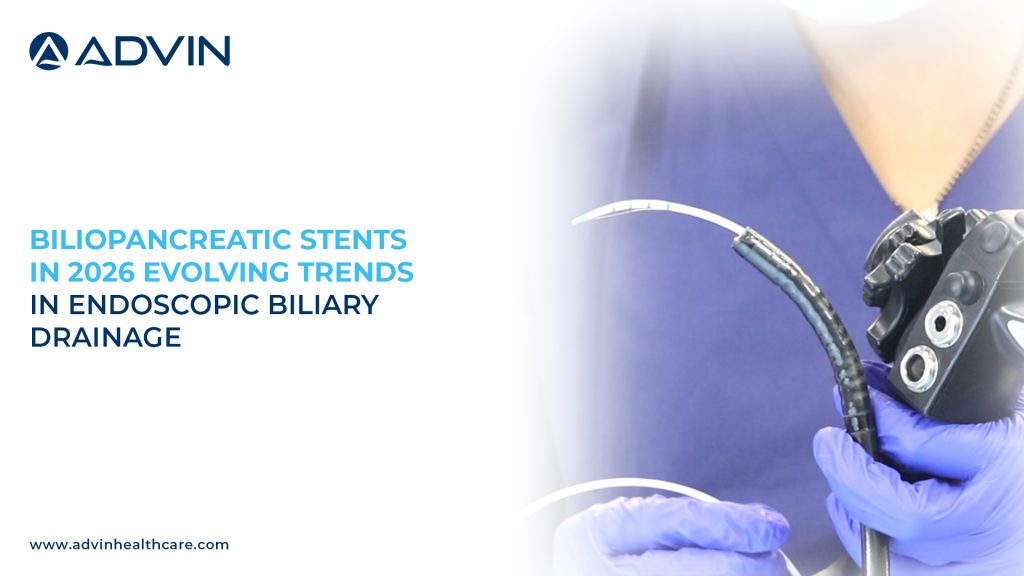
Biliopancreatic Stents in 2026 – Evolving Trends in Endoscopic Biliary Drainage
 Advin Health Care
 October 8, 2026
Introduction Biliopancreatic intervention is becoming increasingly sophisticated as therapeutic endoscopy continues to expand its role in managing complex gastrointestinal and hepatobiliary conditions. Advances in ERCP, biliary stenting, endoscopic biliary drainage, EUS-guided intervention and minimally invasive GI procedures are giving clinicians more options for managing obstruction and maintaining ductal drainage. In...
Read More

Turning Challenge into Global Success: The Journey of Alis Sinojiya
Advin Health Care
September 18, 2026
Turning Challenge into Global Success: The Journey of Alis Sinojiya Some success stories are about talent. Some are about timing. The story of Alis Sinojiya is about something deeper: the quiet, stubborn refusal to let any limitation decide how far you can go. Today, Alis is a young entrepreneur and...
Read More
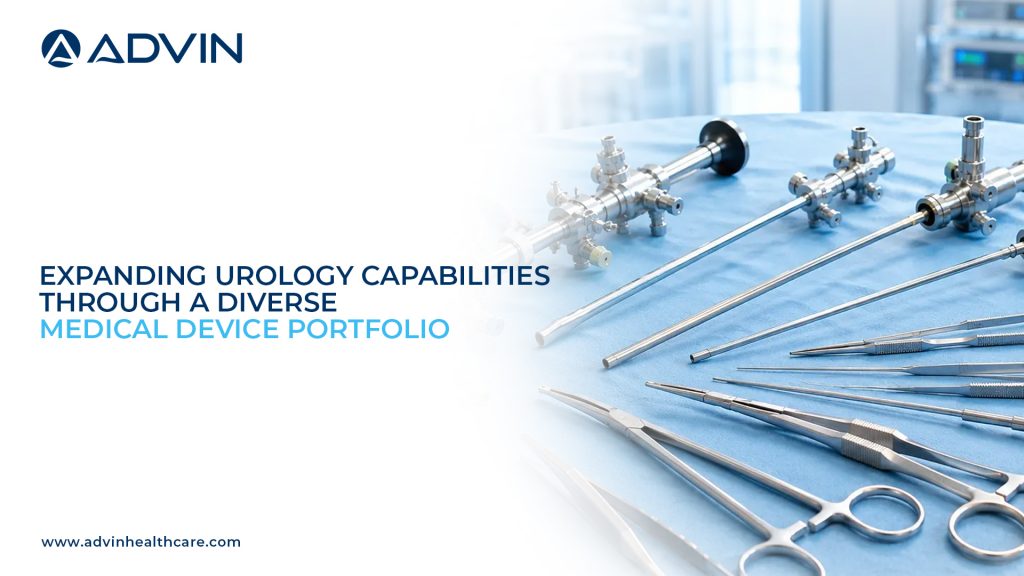
Expanding Urology Capabilities Through a Diverse Medical Device Portfolio
Advin Health Care
August 21, 2026
The healthcare industry continues to evolve as hospitals and specialized medical centers invest in newer technologies to improve their diagnostic and surgical capabilities. Within urology, this evolution has created demand for equipment spanning several technology areas, from endoscopy and electrosurgery to laser systems, lithotripsy, imaging, irrigation, and functional assessment. For...
Read More

Advin Health Care’s Growing Urology Equipment Portfolio for Modern Healthcare
Advin Health Care
August 21, 2026
The growing demand for advanced urological care is encouraging hospitals and specialized healthcare facilities to strengthen their diagnostic and surgical infrastructure. From endoscopic visualization and stone management to laser treatment, electrosurgery, prostate procedures, and urinary assessment, modern urology depends on a wide range of specialized technologies. For a medical device...
Read More

How to Choose a Trusted Urology Equipment Manufacturer in India
Advin Health Care
August 21, 2026
Modern urology departments depend on advanced medical technology to support diagnosis, minimally invasive procedures, stone management, prostate treatment, endoscopic surgery, and other specialized applications. As healthcare facilities continue to upgrade their infrastructure, selecting the right urology equipment manufacturer in India has become an important procurement decision. For hospitals, urology centers,...
Read More

Urology Equipment Manufacturer in India – Advanced Solutions for Modern Urology
Advin Health Care
August 19, 2026
The development of modern urology has increased the need for reliable medical equipment that can support diagnosis, minimally invasive procedures, surgical intervention, visualization, stone management, and specialized prostate treatments. Hospitals and urology centers today require technology that fits efficiently into their operating rooms and supports a wide range of clinical...
Read More

Global Gastroenterology Market Outlook 2026–2030 – Opportunities, Trends, and Future Growth
Advin Health Care
August 5, 2026
Introduction The global burden of gastrointestinal disorders continues to increase, driven by colorectal cancer, chronic liver disease, obesity-related conditions, gastroesophageal reflux disease, pancreatic disorders, and ageing populations. At the same time, healthcare systems are expanding access to screening, diagnostic endoscopy, ERCP, and minimally invasive GI treatments. Between 2026 and 2030,...
Read More
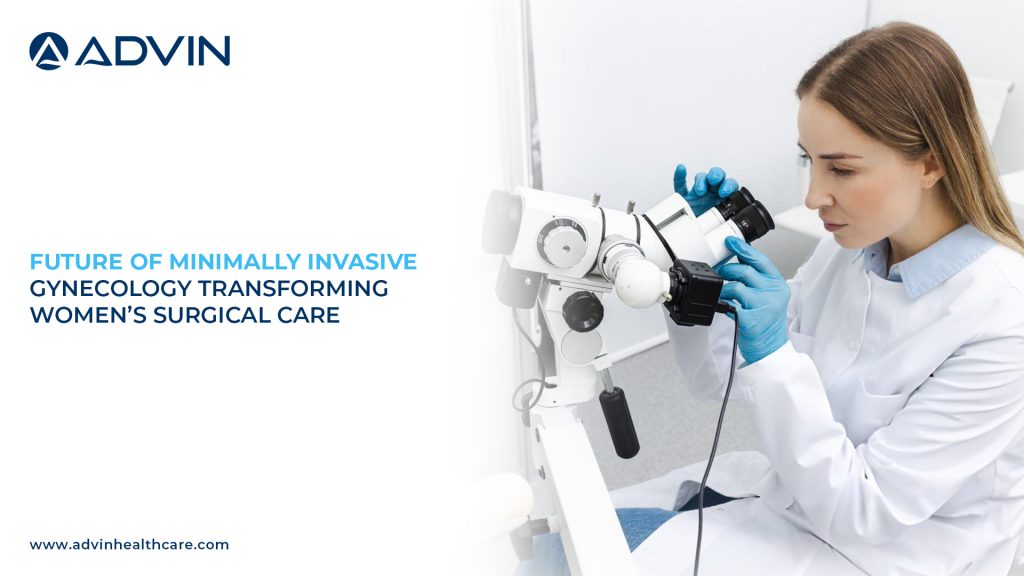
Future of Minimally Invasive Gynecology – Transforming Women’s Surgical Care
Advin Health Care
July 18, 2026
Industry Shift Overview Minimally invasive gynecology is transforming women’s healthcare by offering safer procedures, smaller incisions, reduced pain, and faster recovery compared to traditional open surgeries. As patient demand for less invasive treatments continues to grow, hospitals and healthcare providers are increasingly adopting advanced gynecological technologies. The integration of robotics,...
Read More
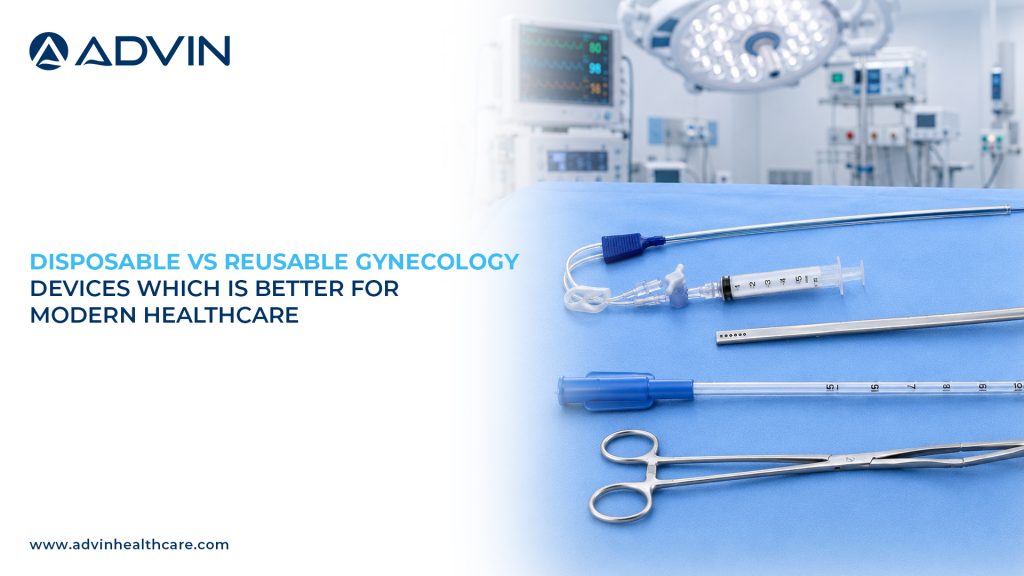
Disposable vs Reusable Gynecology Devices – Which Is Better for Modern Healthcare
Advin Health Care
July 18, 2026
Industry Shift Overview The gynecology industry is rapidly evolving with the adoption of minimally invasive procedures, advanced hysteroscopy systems, and stricter infection control protocols. As hospitals focus on patient safety, cost efficiency, and workflow optimization, the comparison between disposable and reusable gynecology devices has become increasingly important. Both disposable and...
Read More
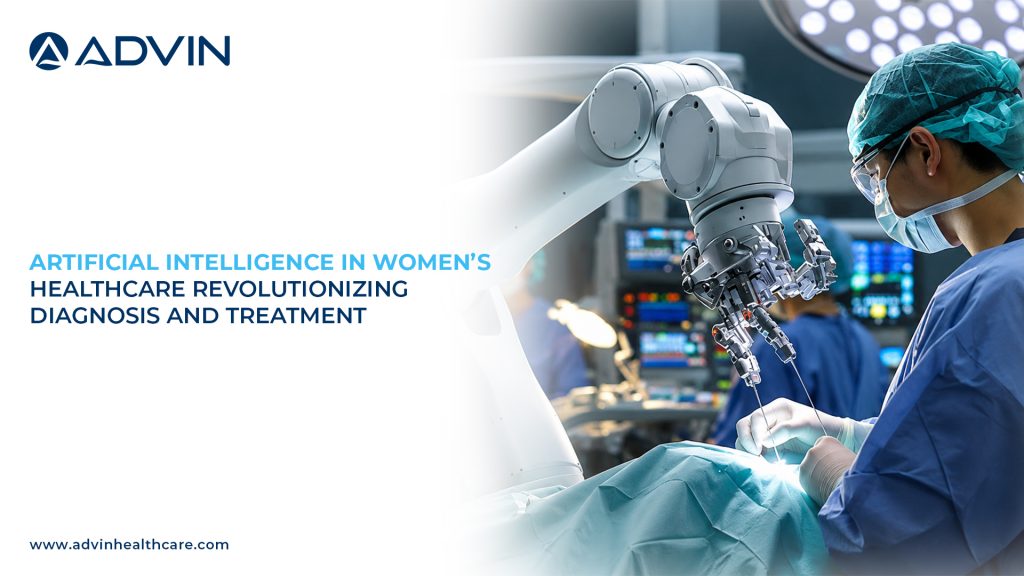
Artificial Intelligence in Women’s Healthcare – Revolutionizing Diagnosis and Treatment
Advin Health Care
July 18, 2026
Industry Shift Overview Women’s healthcare is entering a transformative era driven by Artificial Intelligence (AI), digital diagnostics, and smart medical technologies. AI is improving the way gynecological conditions are diagnosed, monitored, and treated by enabling faster clinical decisions, better accuracy, and more personalized patient care. From fertility treatment and pregnancy...
Read More
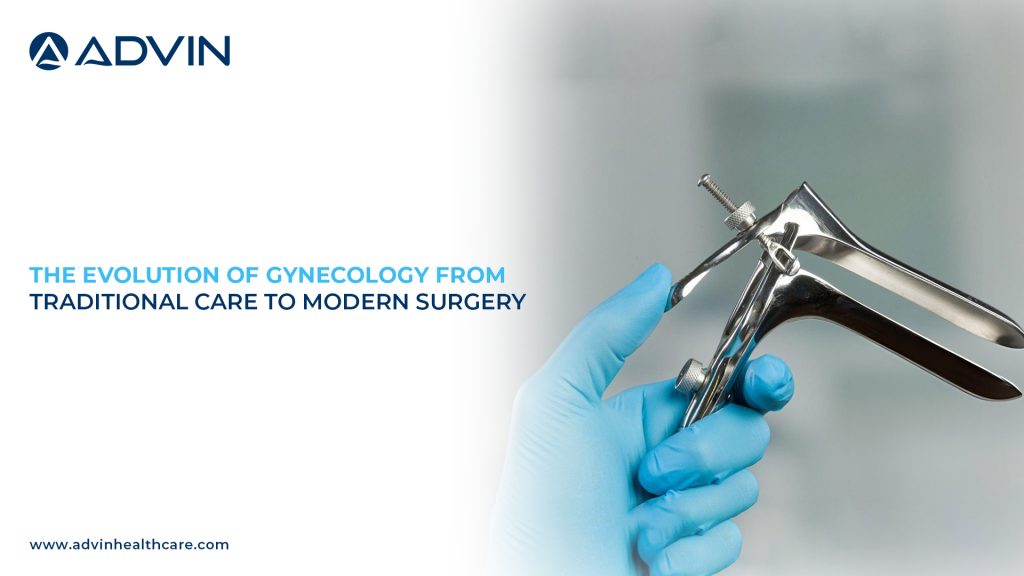
The Evolution of Gynecology – From Traditional Care to Modern Surgery
Advin Health Care
July 18, 2026
Introduction Gynecology, the branch of medicine focused on women’s reproductive health, has undergone a profound transformation over centuries. What began as traditional, experience-based care has evolved into a highly advanced, technology-driven specialty. Today, gynecology combines scientific knowledge, minimally invasive surgery, and modern diagnostics to provide safer and more effective care...
Read More
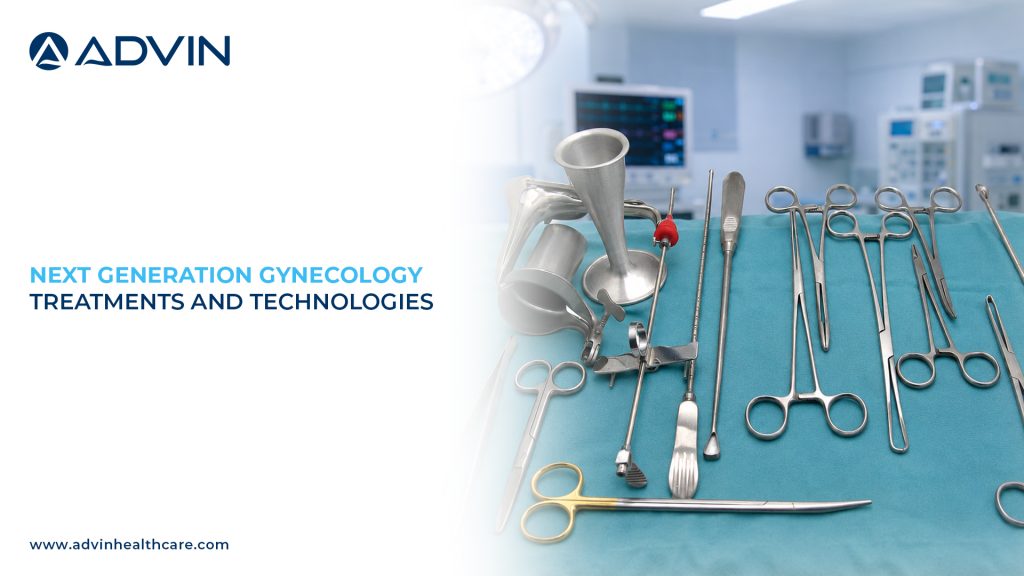
Next Generation Gynecology Treatments and Technologies
Advin Health Care
July 18, 2026
Introduction Gynecology is rapidly advancing into a new era where innovation, precision, and patient comfort are at the center of care. Next-generation technologies are transforming how women’s health conditions are diagnosed, treated, and managed. From AI-driven diagnostics to robotic surgery, modern gynecology is becoming more efficient, minimally invasive, and personalized....
Read More

Modern Gynecology – Technologies Transforming Women’s Health
Advin Health Care
July 18, 2026
Introduction Modern gynecology has entered a transformative phase where technology is redefining how women’s health is diagnosed, treated, and managed. From early detection systems to minimally invasive surgeries, innovation is improving safety, accuracy, and patient comfort. Today’s gynecological care is more precise, personalized, and accessible than ever before. Advanced Diagnostic...
Read More

History of Hysteroscopy – From Early Diagnosis to Advanced Treatment
Advin Health Care
July 18, 2026
Introduction Hysteroscopy is a key procedure in modern gynecology that allows direct visualization of the uterine cavity for both diagnosis and treatment. Over time, it has evolved from a limited diagnostic technique into a highly advanced, minimally invasive surgical approach. This transformation has significantly improved women’s healthcare by enabling accurate...
Read More

Growth of the Gynecology Division in the Global Healthcare Industry
Advin Health Care
July 18, 2026
Introduction The gynecology division has become a critical and rapidly expanding segment of the global healthcare industry. Focused on women’s reproductive health, this field has evolved from basic care to a highly specialized, technology-driven discipline. Increasing awareness, rising healthcare investments, and continuous innovation are driving significant growth in gynecology worldwide....
Read More

Evolution of Fertility Treatments – From Basic Methods to IVF Technology
Advin Health Care
July 18, 2026
Introduction Fertility treatment has evolved dramatically over the centuries, transforming from basic, often uncertain methods into highly advanced, science-driven solutions. Today, assisted reproductive technologies (ART) offer hope to millions of couples worldwide. The journey from traditional remedies to modern techniques like in vitro fertilization (IVF) highlights the remarkable progress in...
Read More

Top Innovations Transforming Laparoscopy
Advin Health Care
July 18, 2026
Industry Shift Overview Laparoscopy is undergoing a major transformation with the adoption of advanced technologies that are improving surgical precision, efficiency, and patient outcomes. Modern minimally invasive surgery now focuses on smaller incisions, faster recovery, reduced complications, and enhanced procedural control. The integration of robotics, artificial intelligence, advanced imaging, and...
Read More
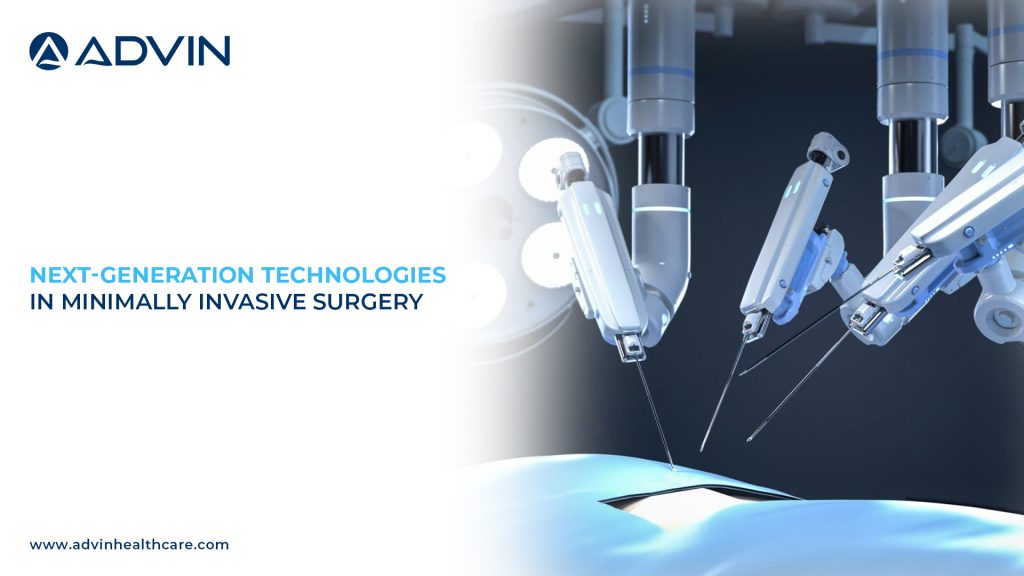
Next-Generation Technologies in Minimally Invasive Surgery
Advin Health Care
July 18, 2026
Industry Shift Overview Minimally Invasive Surgery (MIS) is rapidly transforming modern healthcare by offering safer procedures, smaller incisions, reduced pain, and faster patient recovery. Compared with traditional open surgery, MIS significantly reduces hospital stay, blood loss, and postoperative complications. Today, the integration of robotics, artificial intelligence, advanced visualization, and smart...
Read More

Disposable Laparoscopic Devices – Enhancing Safety, Sterility, and Surgical Efficiency
Advin Health Care
July 18, 2026
Industry Shift Overview The global laparoscopy market is rapidly shifting toward single-use or disposable surgical devices as hospitals increasingly prioritize infection control, workflow efficiency, and patient safety. With the rise of minimally invasive surgery, disposable laparoscopic devices are becoming essential components of modern operating rooms. These devices help reduce cross-contamination...
Read More

The Future of Laser Technology in Urology Surgery
Advin Health Care
July 18, 2026
Industry Shift Overview Laser technology has become one of the most important advancements in modern urology surgery. From kidney stone treatment to prostate procedures, laser-based systems are transforming minimally invasive urology through improved precision, reduced complications, and faster patient recovery. The growing adoption of advanced laser platforms, digital endoscopy systems,...
Read More