 English
 Afrikaans
 Albanian
 Amharic
 Arabic
 Armenian
 Azerbaijani
 Basque
 Belarusian
 Bengali
 Bosnian
 Bulgarian
 Catalan
 Cebuano
 Chichewa
 Chinese (Simplified)
 Chinese (Traditional)
 Corsican
 Croatian
 Czech
Czech Danish
 Dutch
Dutch Esperanto
 Estonian
 Filipino
 Finnish
 French
 Frisian
 Galician
 Georgian
 German
 Greek
Greek Gujarati
 Haitian Creole
 Hausa
Hausa Hawaiian
 Hebrew
 Hindi
Hindi Hmong
Hmong Hungarian
 Icelandic
 Igbo
Igbo Indonesian
 Irish
Irish Italian
 Japanese
 Javanese
 Kannada
 Kazakh
 Khmer
Khmer Korean
 Kurdish (Kurmanji)
 Kyrgyz
 Lao
Lao Latin
Latin Latvian
 Lithuanian
 Luxembourgish
 Macedonian
 Malagasy
 Malay
Malay Malayalam
 Maltese
 Maori
Maori Marathi
 Mongolian
 Myanmar (Burmese)
 Nepali
 Norwegian
 Pashto
 Persian
 Polish
 Portuguese
 Punjabi
 Romanian
 Russian
 Samoan
 Scottish Gaelic
 Serbian
 Sesotho
 Shona
Shona Sindhi
 Sinhala
 Slovak
 Slovenian
 Somali
 Spanish
 Sudanese
 Swahili
 Swedish
 Tajik
Tajik Tamil
Tamil Telugu
 Thai
Thai Turkish
 Ukrainian
 Urdu
Urdu Uzbek
Uzbek Vietnamese
 Welsh
Welsh Xhosa
Xhosa Yiddish
 Yoruba
 Zulu
Zulu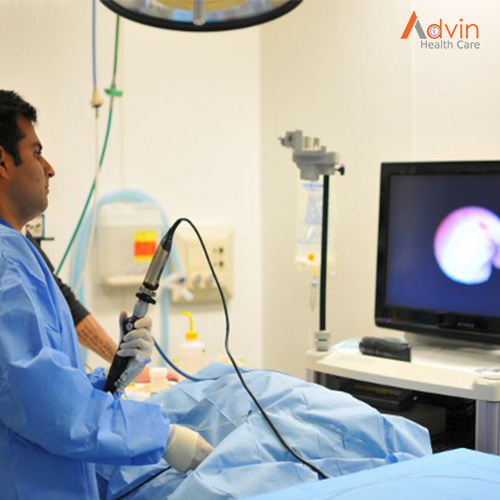
Cystoscopy
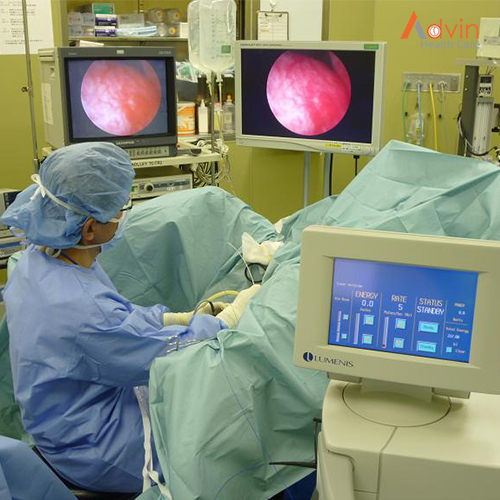
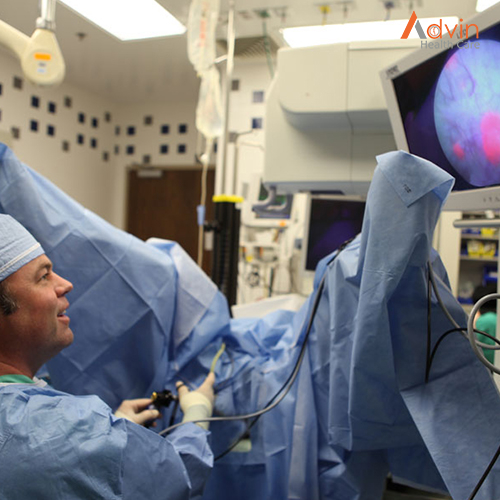
Cystoscopy is a procedure to see the inside of the bladder and urethra using a telescope. Cystoscopy is the use of a scope (cystoscope) to examine the bladder and urethra.
A cystoscopy can be used to investigate and treat symptoms and conditions that affect the bladder and urinary system. Cystoscope is also called as telescope.
Two types of Cystoscope
- Flexible Cystoscope
- Rigid Cystoscope
Reasons for Cystoscopy
- check for abnormalities in the bladder.
- Diagnose and evaluate urinary tract disorders.
- Diagnose the cause of repeated bladder infections.
- Help determine the cause of pain during urination.
- remove a sample of bladder tissue (Biopsy) for further testing in cases of suspected cancer.
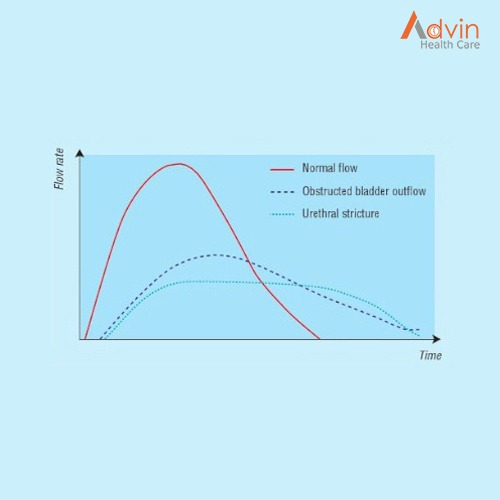
- urinary blockage caused by prostate enlargementor some other abnormal narrowing of the urinary tract.
- Bladder stone removal.
- Remove foreign objects.
Procedure of Cystoscopy
A urologic surgeon, or urologist, performs cystoscopy. The procedure involves looking at the urinary tract from the inside. Abnormalities can be detected in this manner, and surgical procedures can be performed.
A flexible cystoscopy is usually carried out using a local anaesthetic . A rigid cystoscopy is usually carried out under general anaesthetic or spinal anaesthetic (epidural).
The procedure will take about take 5 – 25 minutes. The urethra is cleansed. This is done without needles. The scope is then inserted through the urethra into the bladder.
The procedure is more painful for men than for women due to the length and narrow diameter of the male urethra. Relaxing the pelvic muscles helps make this part of the test easier.
Water or salt water (saline) flows through the cystoscope for clear vision.
Post Procedural Care
Drink 4 – 6 glasses of water per day after your cystoscopy.
Holding a warm, damp washcloth over the urethral opening.
Taking a warm bath to relieve the burning feeling.
Alternate Names
Cystourethroscopy, Endoscopy of the bladder.
Cystoscopy Products
We, Advin Health Care, provide international quality standard products for Cystoscopy procedure.
- Intra Corporeal Pneumatic Lithotripter (with all standard accessories)
- Cystoscopy Sheath
- Cystoscopy Bridge
- Stone Punch SET (For Bladder Stone Removal)
- Stone Crushing Forcep (For Bladder Stone Removal)
- Lithobridge (For Bladder Stone Removal)
- Flexible Biopsy Forcep
- Flexible Stent Removing Forcep
- Flow Pump for continuous irrigation
- LED Light Source
- Fiber Optic Cable